

Introduction: When Small Cells Change Big Systems
Picture a quiet morning on a battery line, the hum of conveyors steady, the scanners blinking like small lighthouses. The cylindrical cell sits at the center, not grand in size, yet vast in impact. A single jam at winding can stop a shift; a small drift in coating can ripple through thousands of units. Reports show that many plants still run below 75% OEE, and scrap in early ramps can top 6%—enough to shake margins and timelines. So we ask: what keeps this simple shape so hard to scale, and which choices bend the curve? (The past has lessons, and it speaks plainly.)
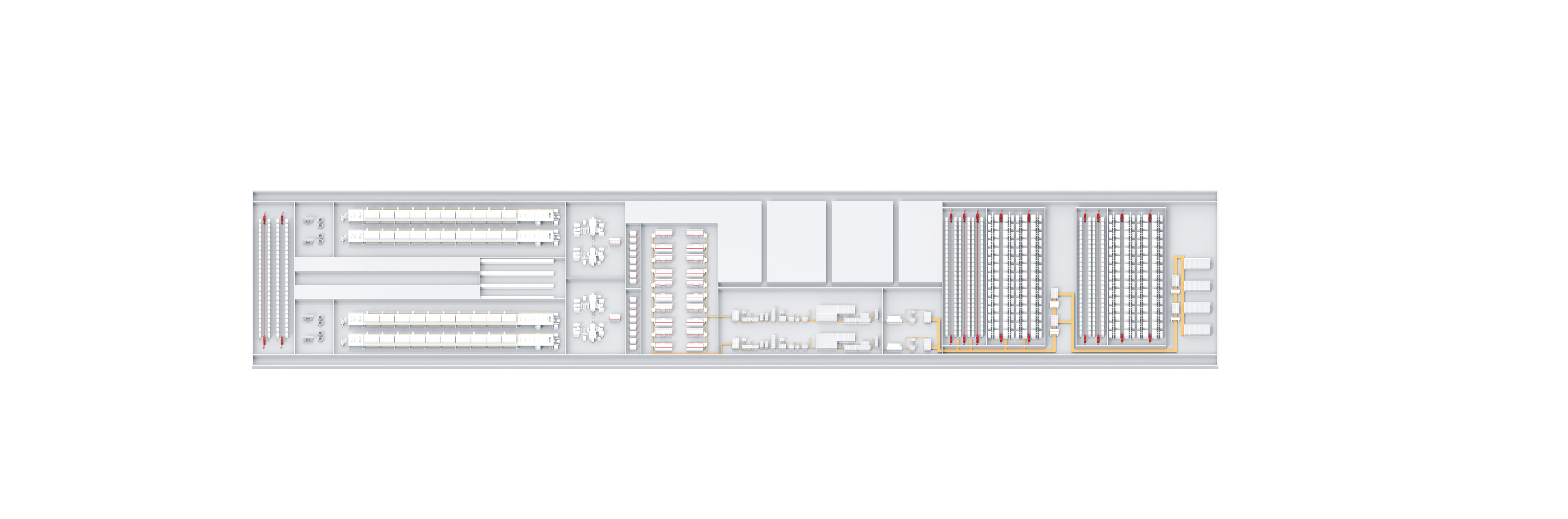
Let us set the stage with calm care, as one might in a workshop of old. First, we name the forces that fail. Then, we compare the new with the known, line against line, tool against tool. The thread is clear, yet not harsh: progress follows method. Now, we turn to the heart of the matter, and we do so with measured hands.

Flaws in the Familiar: Why Old Lines Struggle with Scale
Where do legacy lines stumble?
In many factories, Automated Battery Production begins on top of yesterday’s habits. The setup looks modern, yet the logic is old. Batch checks sit far from the source. PLC islands do not share enough data with the MES. So winding tension drifts, and tab welding changes with heat and wear. Operators fight the clock, not the cause. Look, it’s simpler than you think: when feedback comes late, variation costs more. Power converters hum, cameras watch, but the loop is open. The result is stop–start flow, higher rework, and creeping scrap—small faults that turn into big delays.
Traditional plans also assume that trained eyes can catch most faults. They cannot. Early SEI formation issues hide in small hints. Electrolyte filling varies with temperature and time. In-line metrology is thin, so a defect walks past three stations before anyone knows. And when changeovers come, recipes shift across fixtures with manual tweaks—funny how that multiplies error, right? The deeper flaw is not a single tool; it is the gap between tools. Without edge computing nodes near each station, the line cannot act in place. It only reacts later. The cylindrical cell pays the price in yield, while teams chase ghosts across shifts.
Comparative Principles: How Modern Lines Close the Loop
What’s Next
The newer playbook is not magic; it is method. It starts with closed-loop control at every critical gate, and it is frank about trade-offs. Vision on winding ties to torque; the system adjusts tension in milliseconds. Laser tab welding links power and speed to real-time seam quality. In effect, each station becomes a small control cell with its own brain. Here, Automated Battery Production means more than robots—it means measured change over guesswork. Digital twins test recipe edits before steel moves. In-line impedance checks flag electrolyte issues while there is still time to route parts. And when a drift appears, the line narrows the window first, then pauses only if needed. That order matters.
The comparative edge shows up in numbers and in calm. Lines with shared context (station-level analytics plus MES) cut debug time from days to hours. OEE climbs because micro-stops get fixed at the source. Energy use drops as heaters and dryers tune to the actual load. Even end-of-line testers work smarter, since upstream data narrows the search. — funny how that works, right? For buyers, the path is clear but practical. First, check the latency of feedback loops and whether corrections occur within the same station. Second, review data fidelity: sensor quality, sampling rates, and traceability depth from coating to EOL. Third, test resilience: how the line handles recipe shifts, changeovers, and partial faults without a full stop. These principles turn small cells into steady output at scale, and they do so with less noise than before. In the quiet of good design, craft meets certainty, and the work moves forward with grace—guided, not guessed. For those who seek a steady partner in that craft, one may look to LEAD.