
Introduction: A Small Room, Big Vibe
A mate and I ducked into a snug club under the arches last Friday, lights low and bass tight. The DJ laser light cut through the haze like a razor, painting tight beams over a crowd packed like sardines. Numbers tell a tale: the bar said dwell time was up by 15 minutes, and footfall rose 18% week-on-week after they tuned their show file. Yet the kit was smaller than last month—leaner, meaner, and more precise. So here’s the cheeky twist: less hardware, more impact (proper London magic, innit?). Why do some shows still look washed out while others pop, even with the same wattage and smoke?
Have a butcher’s at the mismatch between room scale and beam geometry, and you’ll see the rub. Small venues reward control, not brute force. If the angles, speeds, and colors sync with the music and the space, the crowd leans in. If they don’t, well, it’s just bright lines. Ready to see what the usual fixes miss and where the real wins live? Let’s peel back the layers, sharpish.
Hidden Pain Points Traditional Rigs Miss
What’s the snag you can’t see?
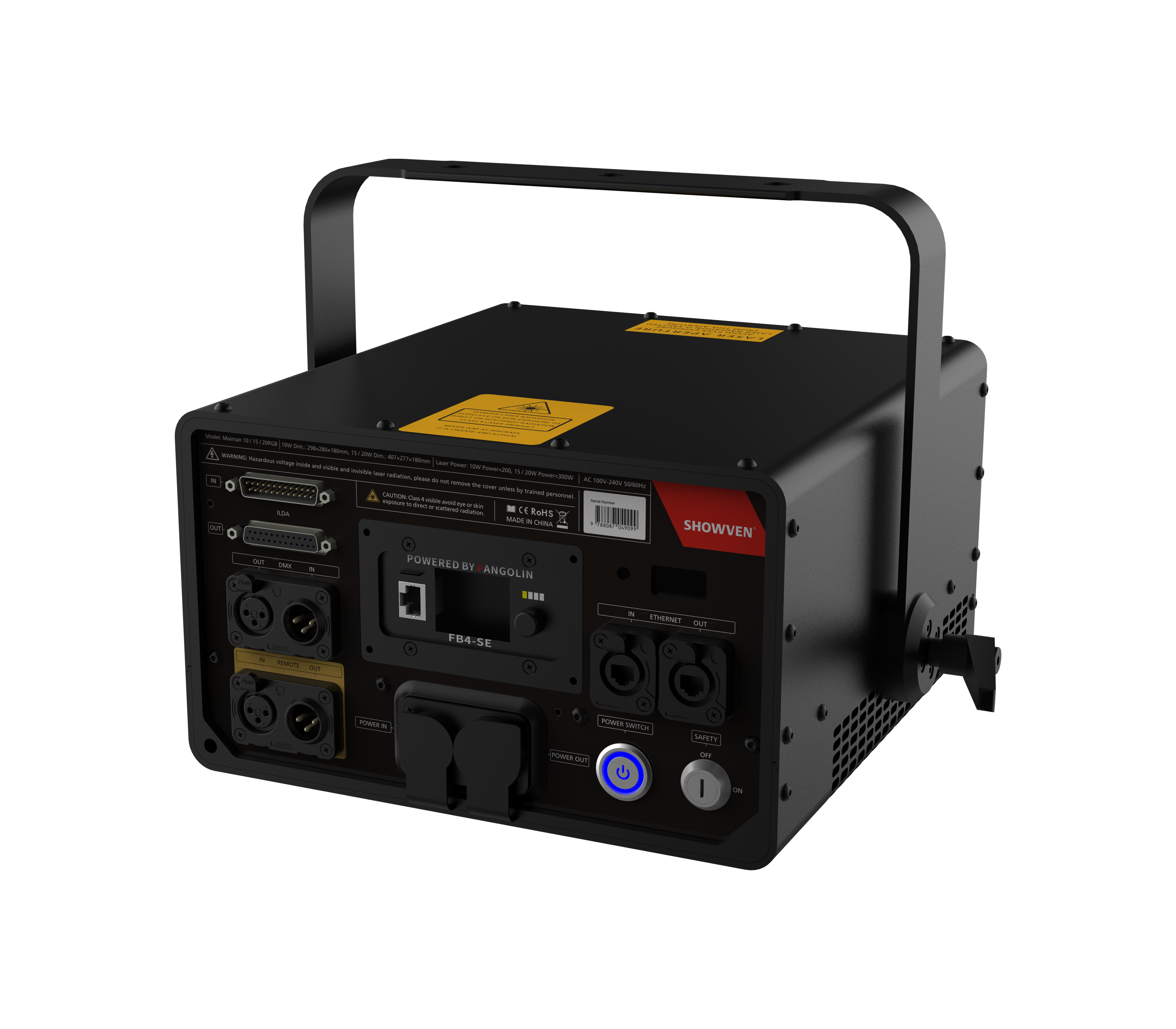
Here’s the bit the flyers don’t tell you: when you spec professional DJ laser lights, the model badge isn’t the whole story. Rooms with low ceilings, mirror tiles, and thick haze behave like mirrors and filters rolled into one. Look, it’s simpler than you think. You’re fighting physics. Galvanometer scanners need clean mounts and sensible speeds, or mid-tempo patterns smear. Beam divergence has to match throw distance, or your “needle” turns into a fuzzy wand. And if your DMX cues fire without shy offsets, you get color pops where fades should live. The pain point? Not power. It’s control that breathes with the room.
Another blind spot: upkeep and setup discipline. Miss a lens wipe, and optical attenuation stacks up by the hour. Cramped booths push fixtures close to HVAC vents; suddenly, thermal drift nudges alignment when the crowd heats up—funny how that works, right? Then there’s safety and mood. If you haven’t plotted your audience scanning zones and sightlines, a sweet look turns into a no-go. In wet or dusty courtyards, an IP65 chassis saves your night and your nerves. Hidden pain points aren’t flashy. They’re quiet, cumulative, and they steal impact one small variable at a time.
Next-Gen Principles and the Road Ahead
What’s Next
Forward-looking rigs tame those variables by design. Think smarter baselines, not bigger beams. A compact unit with an FPGA controller can shape velocity curves so sweeps stay tight at slow BPM, yet stay crisp at high tempo. Add scan-fail sensors, and you get auto-dimming when sightlines shift—so compliance doesn’t kill the vibe. Some DJ lasers already bias power to match haze density in real time, keeping contrast punchy without cranking output. Small rooms win most from that logic. Less chasing, more flow. And you feel it in the floor—beats lock, light sits, bodies move. The tech fades into the tune (lovely jubbly), which is exactly the point.
So, stack the lessons: control beats brute force; maintenance beats panic fixes; and room-aware logic beats guesswork. If you’re choosing a unit, mind three clear metrics. First, beam handling: low beam divergence paired with usable scan angles at your throw distance. Second, duty cycle and thermal design: a steady show shouldn’t sag at the peak hour. Third, control and safety: tight cueing via reliable DMX timing plus onboard protections you’ll actually use, not just list. Nail those, and you’ll get repeatable, human-scale wow without overbuild. That’s the quiet edge that turns a tight venue into a hot ticket—courtesy of clear thinking and good kit, not luck. For further reading and gear context, see Showven Laser.