
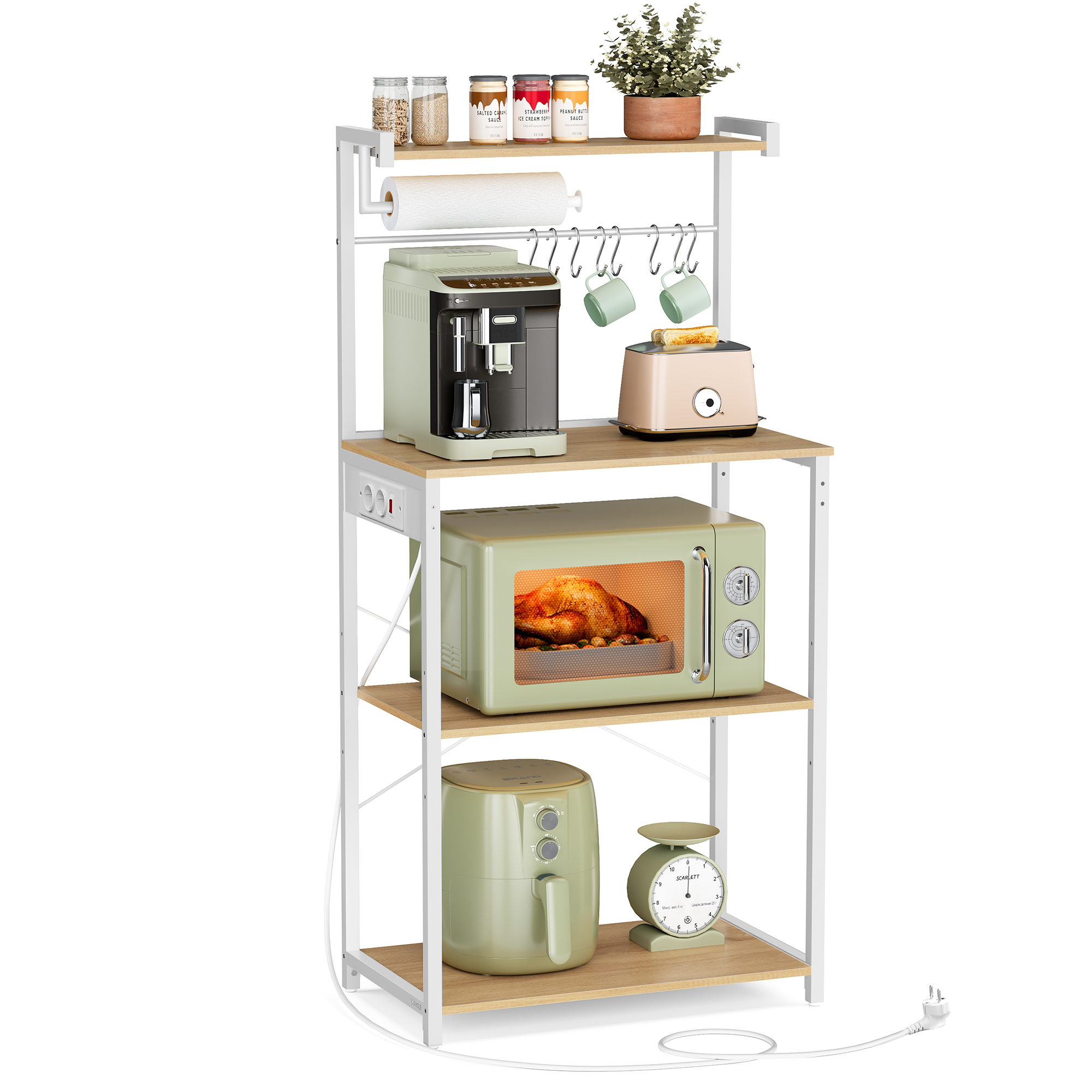
Why the Right Rack Partner Matters Now
Here’s the deal: storage chaos kills flow before the first pot boils. Kitchen racks manufacturers face tighter timelines, more SKUs, and rising material costs, all at once. Picture a prep room at 6 a.m.—sheet pans, mixers, and spices everywhere. A buyer needs to fit more gear into less space without wobble or rust. Data backs the stress: in busy kitchens, up to 30% of setup time is lost to searching or re-stacking gear, and replacement cycles creep shorter each season. So what do you pick when a rack looks fine on paper but fails in real use?
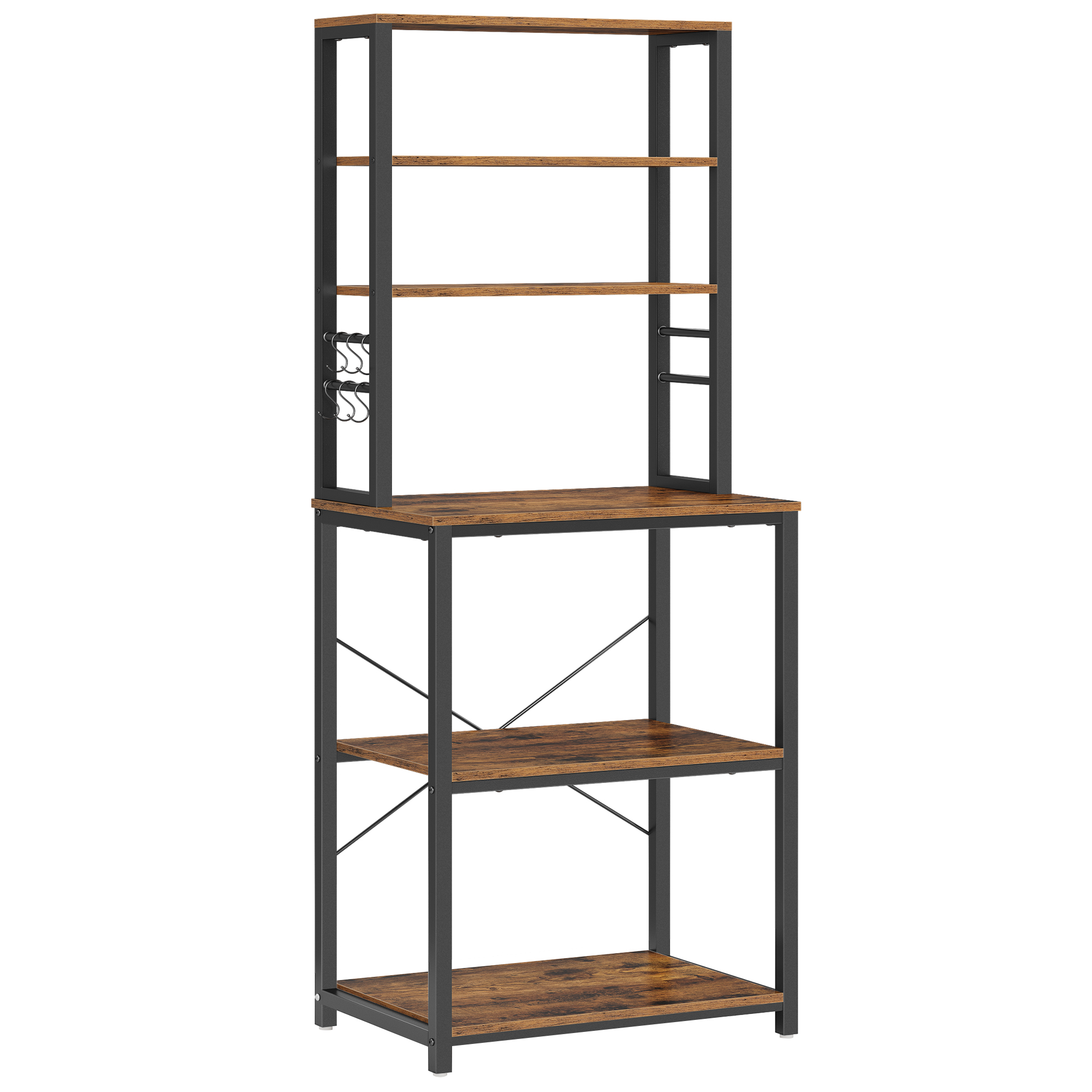
We’re in California mode here—practical, relaxed, and honest. Some racks bend under real loads. Some coatings chip early. Some casters drift off spec after a month. And yes, it’s often the hidden details that decide who wins the week. (Funny how the small stuff breaks the schedule—then the budget.) The question is simple: how do you compare vendors and designs without a full lab? Let’s break it down and build a cleaner, faster way to source, test, and scale.
Hidden Pain Points the Spec Sheet Won’t Show
Where do traditional specs go wrong?
When people search for a wholesale kitchen storage rack, they often check size, shelf count, and price. That’s fine—until the quiet variables hit. Load rating is listed, but not at what span or deflection limit. The powder coating line may look good, yet salt spray or steam cycles tell another story. Clips loosen after thermal shock. Casters flatten under static loads. Look, it’s simpler than you think: ask how the rack behaves after a week of wet prep, not just day one. Hidden pain blooms in places you don’t see on a quote—like weld heat zones, corner braces, and the tolerances in CNC bending.
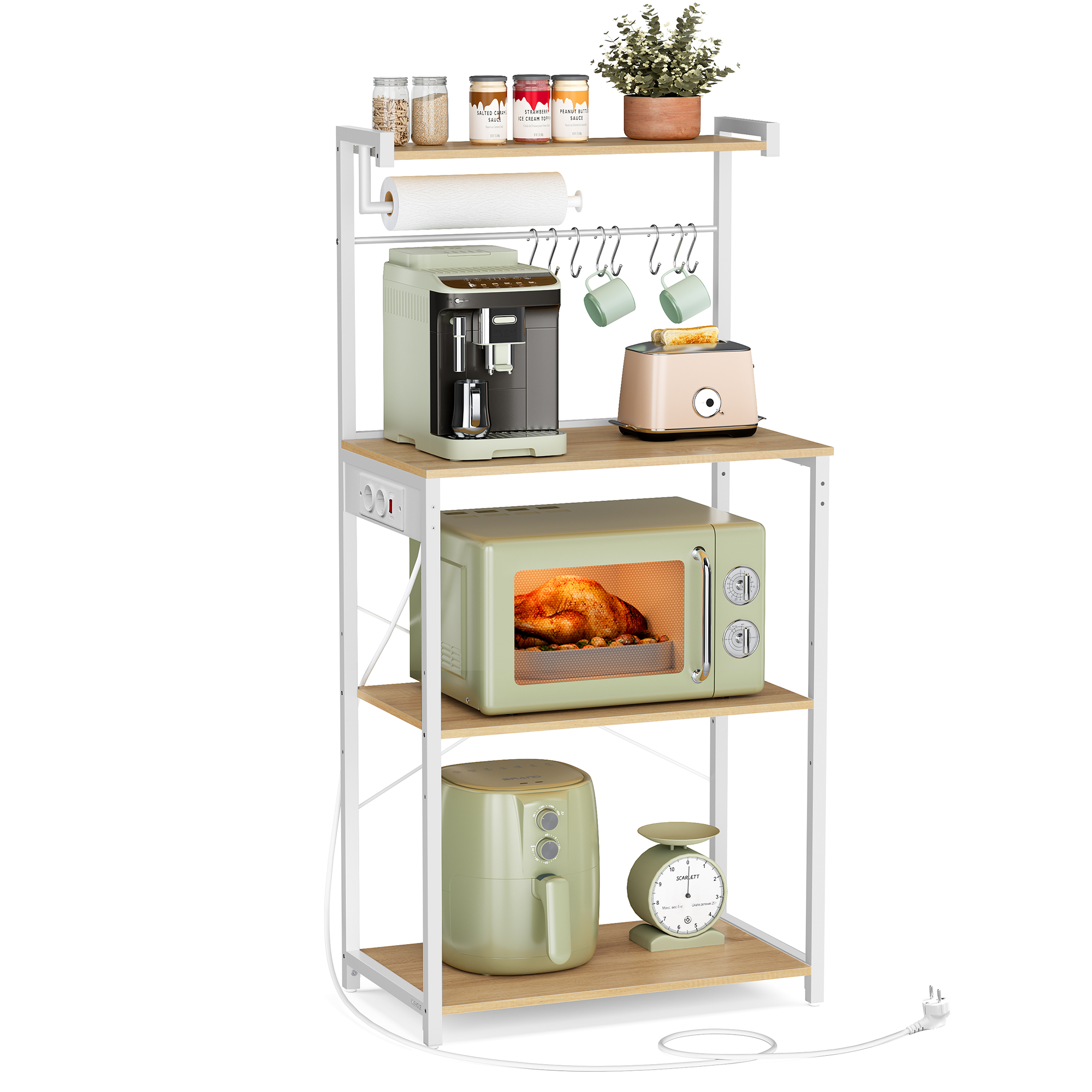
There’s more. Kitchens churn SKUs, which stresses shelf geometry and bin fit. SKU rationalization helps, but only if the rack design accepts shift. Quick-change accessories beat one-size shelves. Manufacturers who validate with a real QC audit, not just a pass/fail, catch issues early. Ask about torque checks on fasteners, real shelf load testing, and caster stem wear. Simple tests beat fancy charts. A durable rack saves labor and cuts replacement costs. And yes, better airflow and drainage reduce cleaning time—your ops team will thank you.
Comparative Tech: What Changes the Sourcing Math
What’s Next
The forward edge of rack design blends materials and data. Not hype—principles. A good maker now simulates deflection with finite element methods before the first weld fixture is set. They track tolerance stacks across uprights and braces to keep square under stress. Some even rig edge computing nodes on test lots to log vibration, push, and humidity—tiny sensors running off low-voltage power converters. The result is a clearer picture of real-life fatigue. When you review a wholesale kitchen storage rack, ask for those validation snapshots. They show how a “250 lb per shelf” claim holds up after cycles of heat, cleaning chemicals, and rolling over thresholds.
Future-ready sourcing is comparative by default—brand to brand, finish to finish, caster to caster. Stainless wire may drain better; tube steel may hold alignment longer. Zinc plating fights cost; premium epoxy wins steam. Choose by environment, not trend. And keep the flow in mind: ERP integration for replacements, drop-in accessories, and standard fasteners that your team already stocks. That trims downtime and keeps ops calm. Summing it up without the marketing fog—test for fatigue, validate coatings, and protect your crew’s time. — funny how that works, right?
Advisory close: use three quick checks. 1) Verify shelf load rating at full span with deflection data after 24-hour dwell; 2) Demand coating evidence—salt spray hours, chip rating, and a cleaning-chemical list; 3) Review a QC audit sample that covers caster stem wear, weld penetration, and fastener torque retention. Do those, and your racks last longer, roll smoother, and cost less per cycle. For teams scaling smart, that’s the point. Learn more from partners like SONGMICS HOME B2B.