
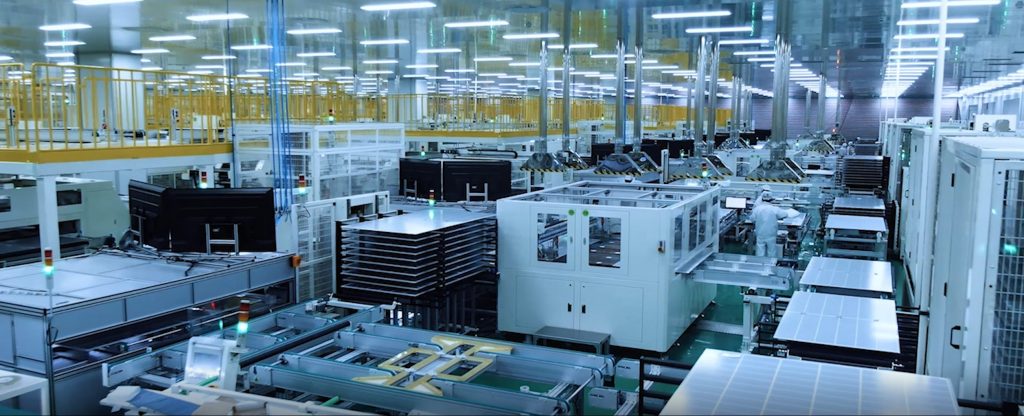
Introduction: The Quiet Bottlenecks No One Prices In
The biggest risk in your solar factory isn’t the grid; it’s drift. Your PV module line can look stable at a glance, but small misses pile up. When teams evaluate battery production equipment, they often chase headline speed and capex. Meanwhile, early shift in Upington, the line goes live now-now, and by tea time the counters show a 3–5% yield dip from micro-cracks and lamination rework. Changeovers cost eight minutes. EL checks catch defects late. Ja, the numbers don’t lie — but they lie low. So, what if your biggest gains are not in the main machine, but in the glue between steps?

Hidden pain points lurk in the handoffs. Stringer heat profiles drift across lots. EL imaging misses hairline hot spots because lighting varies. MES-to-PLC handshakes lag, so operators babysit recipes. In-line metrology is there, but not tuned, so alarms come after the scrap. Look, it’s simpler than you think: map the sources of small chaos, then close the loop. A few smart nudges — tighter reflow control, steadier busbar alignment, and faster feedback — can pad yield without a bigger press. And that’s the rub: traditional fixes buy bigger tools; smarter fixes buy time and stability. Right, let’s line up the options and see what actually moves the needle.
Comparative Insight: From Rigid Lines to Adaptive Cells
What’s Next
Old-school lines were built like trains: one speed, one track. Modern cells act more like taxis — adapt on the fly. The new principle is closed-loop everything. Machine vision links to EL imaging, so crack risk triggers micro-adjustments to stringer temperature in real time. In-line metrology streams to edge computing nodes, which push back setpoints before drift turns to scrap. You get fewer stops, steadier lamination, and tighter power class spread. — funny how that works, right?
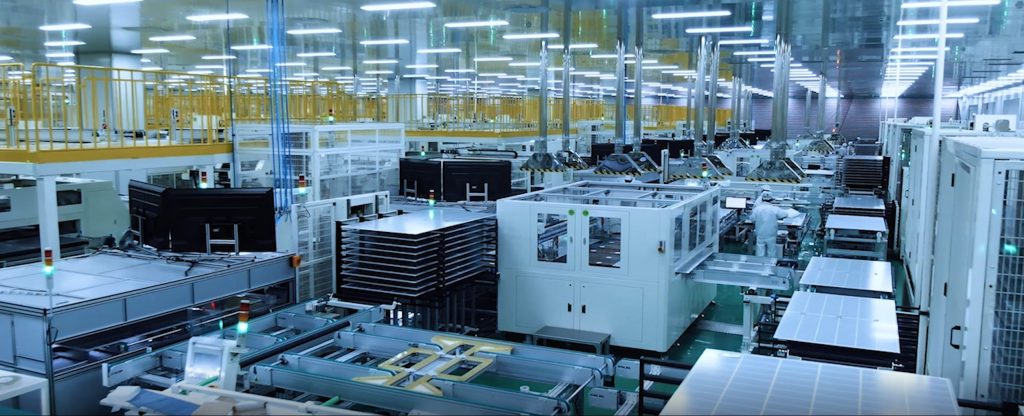
Compare two paths. Path A adds another press and hopes for the best. Path B stitches control across steps, from solder wetting to layup, and lets small corrections stack. With smart battery production equipment, predictive models watch cycle energy, clamp pressure, and conveyor sync. The system tweaks profiles like a calm operator who never tires. Net effect: fewer touch-ups, cleaner EL maps, and better maximum power point grouping. Costs drop because scrap drops — and uptime climbs.
Advisory: When you shortlist solutions, test three metrics. 1) Closed-loop depth: how many stations feed data into automatic setpoint control (stringer, layup, lamination, flash tester). 2) Yield stability: week-over-week variance in EL defect rate and rework minutes per shift. 3) Integration latency: MES-to-tool roundtrip, from recipe change to confirmed actuation. Keep it simple, keep it measurable, and you’ll buy certainty instead of surprises. For lines that must scale without drama, that’s the winning brief — steady, not flashy. If you need a benchmark on where the industry is going, have a look at leaders like LEAD.