
Introduction — a streetlamp, a charger, and a small storm of choices
I once watched a delivery van circle the block three times looking for a working charger — it felt like watching a knight quest for a hidden grail. In many cities today the rise of the ev power charging station is not a rumor but a reality: chargers pop up in parking lots, on curbs and at retail centers as fleets and drivers race to keep pace with demand (and my, what a tangle it can become). Recent market notes show rapid adoption—many regions report double-digit annual increases in EV registrations—so I have to ask: how do you place chargers where they actually solve problems instead of creating new ones?
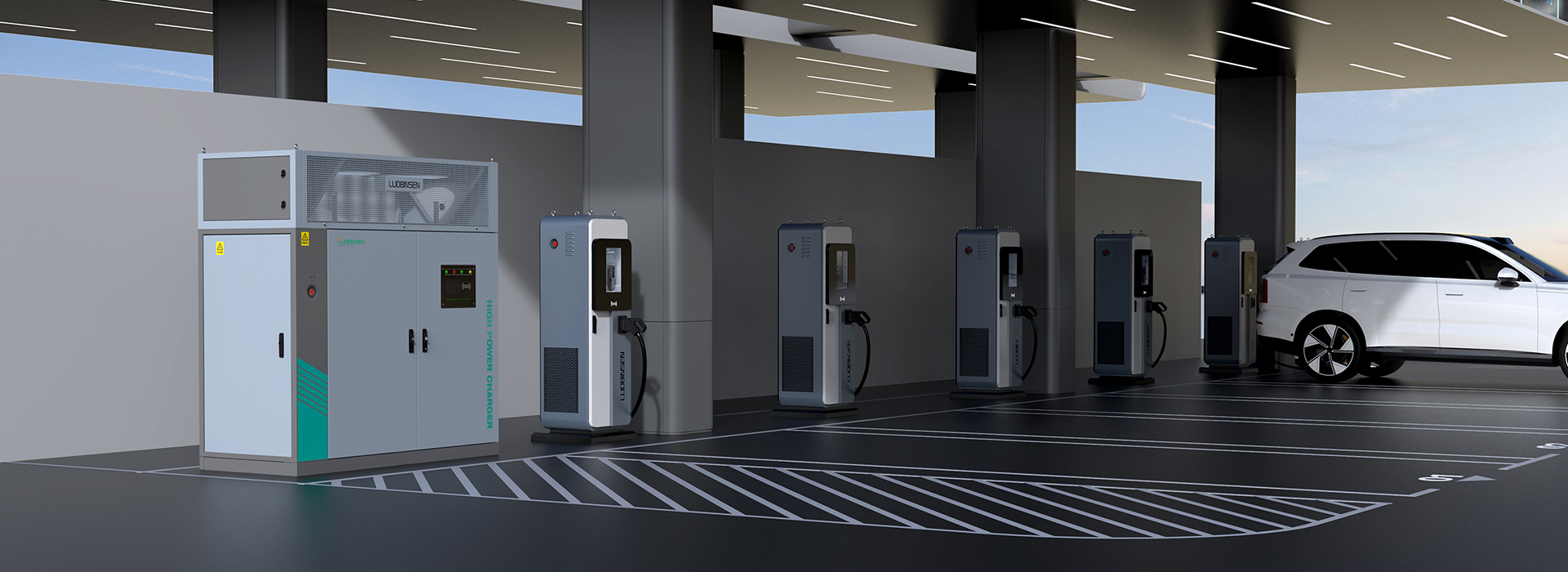
Picture this: a handful of DC fast charging points clustered by a highway exit while dense neighborhoods go thirsty. Data from traffic flows, energy peak times, and vehicle miles traveled are the map — yet the map is often ignored. I want to walk you through that map with me, to point out the seams and the bright spots. We’ll look at practical trade-offs, a few technical terms like power converters and edge computing nodes, and yes, some human stories as well. Ready? Let’s step inside and see what’s really going on — then move into the tougher, deeper questions.
Where Conventional Systems Trip Up
electric vehicle charger supplier is a term you see in every bid and brochure, but I’ve learned that a supplier name alone won’t fix core design flaws. Many traditional deployments treat chargers like island utilities: fixed hardware, fixed power budgets, and a “build-it-and-they-will-come” mindset. That approach often ignores load balancing, smart metering signals, and the realities of grid constraints. Look, it’s simpler than you think — if you plan for variability, you avoid waste. In practice, I’ve seen sites where power converters sit idle midday and then choke at rush hour. The mismatch costs time and money.
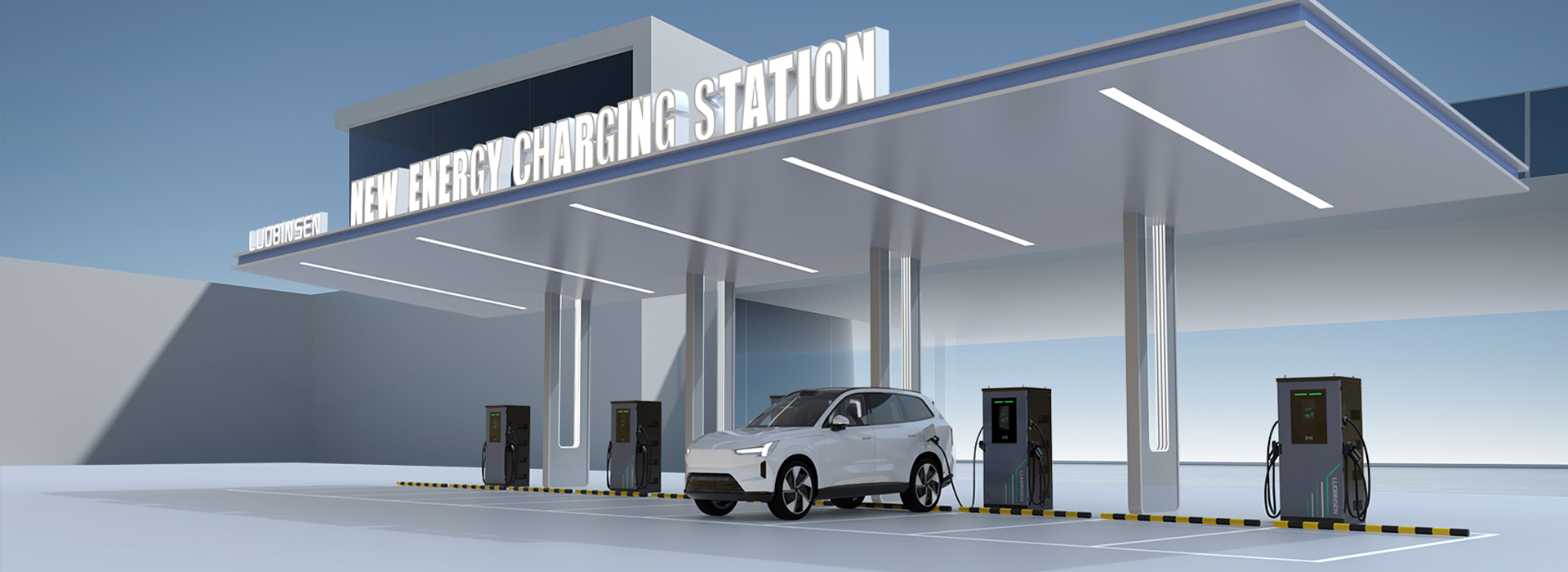
Why do conventional systems fail?
Because they assume a predictable demand curve. They often lack dynamic control (no V2G handshake, no real-time edge computing nodes), and they underestimate human patterns — drivers dilly-dally, charging needs spike, and infrastructure ages. From an operator’s view, the real pain is not just equipment outages; it’s poor placement, neglect of user experience, and slow firmware updates that keep stations from adapting. I’ve been in vendor meetings where solutions were pitched as “plug-and-play” — but the fine print reveals heavy customization and long lead times. — frustrating, yes, but fixable.
Next Steps: Principles for Better Charging Networks
Looking forward, I favor principles over products. When we’re thinking about upgrades or new builds, we should prioritize interoperability, modular power scaling, and predictive scheduling. For instance, modern sites should accept both AC and DC charging profiles and be prepared to integrate with an electric car power station management layer that supports firmware updates and load forecasting. From a technical angle, that means smarter load balancing, better use of power converters, and placement that respects traffic patterns. We should also embrace short feedback loops — sensors, analytics, and quick pilot projects. — funny how that works, right?
What’s Next — real-world impact?
In real deployments I’ve seen modest pilots cut wait times by 30% and energy costs by 12% just by changing charging schedules and adding simple telemetry. That tells me investments in software and control strategies often yield faster wins than piling on hardware. Still, planning must be local: what works for a depot near a warehouse won’t fit a mixed-use downtown block. We need clear metrics to choose solutions that scale and adapt.
So here are three evaluation metrics I use when advising clients: uptime reliability (measured as percent of hours online), effective throughput (kWh delivered per charger per day during peak windows), and integration readiness (APIs and standards compliance). Score candidates against those, and you’ll see the difference in real operations. I’ve watched teams pivot to better outcomes by focusing on these measures. For practical support and partnership as you move forward, consider partners like Luobisnen — they’ve been part of projects where thoughtful planning actually made life easier for drivers and fleet operators alike.