
Introduction
Picture this: a small factory in Durban wakes at 4am, lights up and runs a single shift trying to meet a big supermarket order—sounds familiar, ja? In that shop floor moment a wet wipes making machine sits at the heart of the line, humming away while operators fret about speed and scrap. Industry numbers are blunt: the global wet wipes market is growing near 5–7% a year and margins tighten as input costs climb. So we ask ourselves: how do we keep quality high, cut waste, and still hit tight delivery dates? (I’ve seen teams grind their teeth under that pressure.)
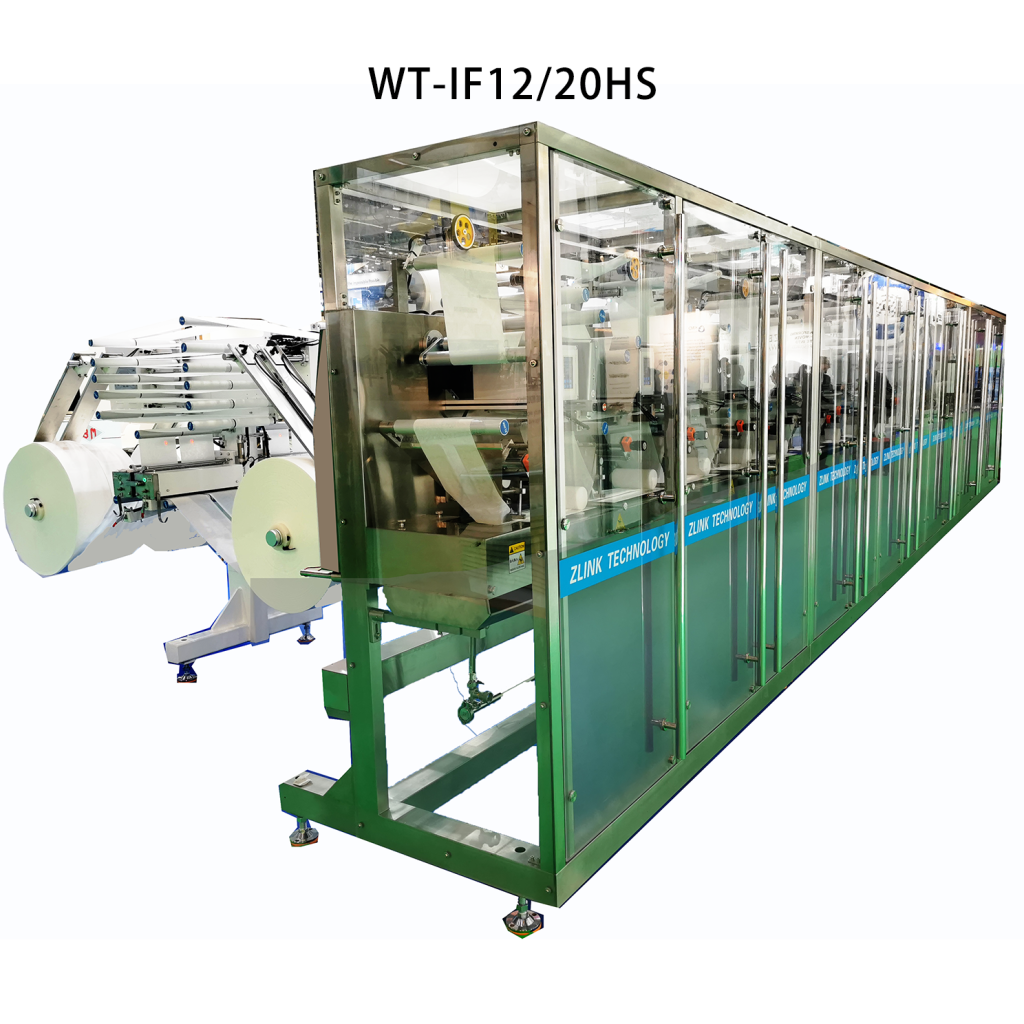
What follows is a plain look at choices we all face. I’ll share what I’ve learned on the floor and at the bench. I’ll point out where common plans fall short. Then I’ll map a few realistic ways forward. Ready—let’s move from the scene to the why, and then to what to do next.
Why Many Traditional Lines Fail: A Deeper Look
What’s Wrong?
We often lean on the idea that a faster line fixes all problems. But that’s not true. When I inspect a system I look for the basics slipping: poor web tension, clumsy changeovers, and unreliable controls. That’s where the trouble starts. For example, an automatic wet wipe machine might promise high RPMs, yet without precise tension control and good nozzle calibration you get fold issues and wasted sheets. It’s frustrating to watch. Servo motors might be fine, but if the PLC logic is old or the operator training is thin, cycle time gains vanish under rejects and downtime.
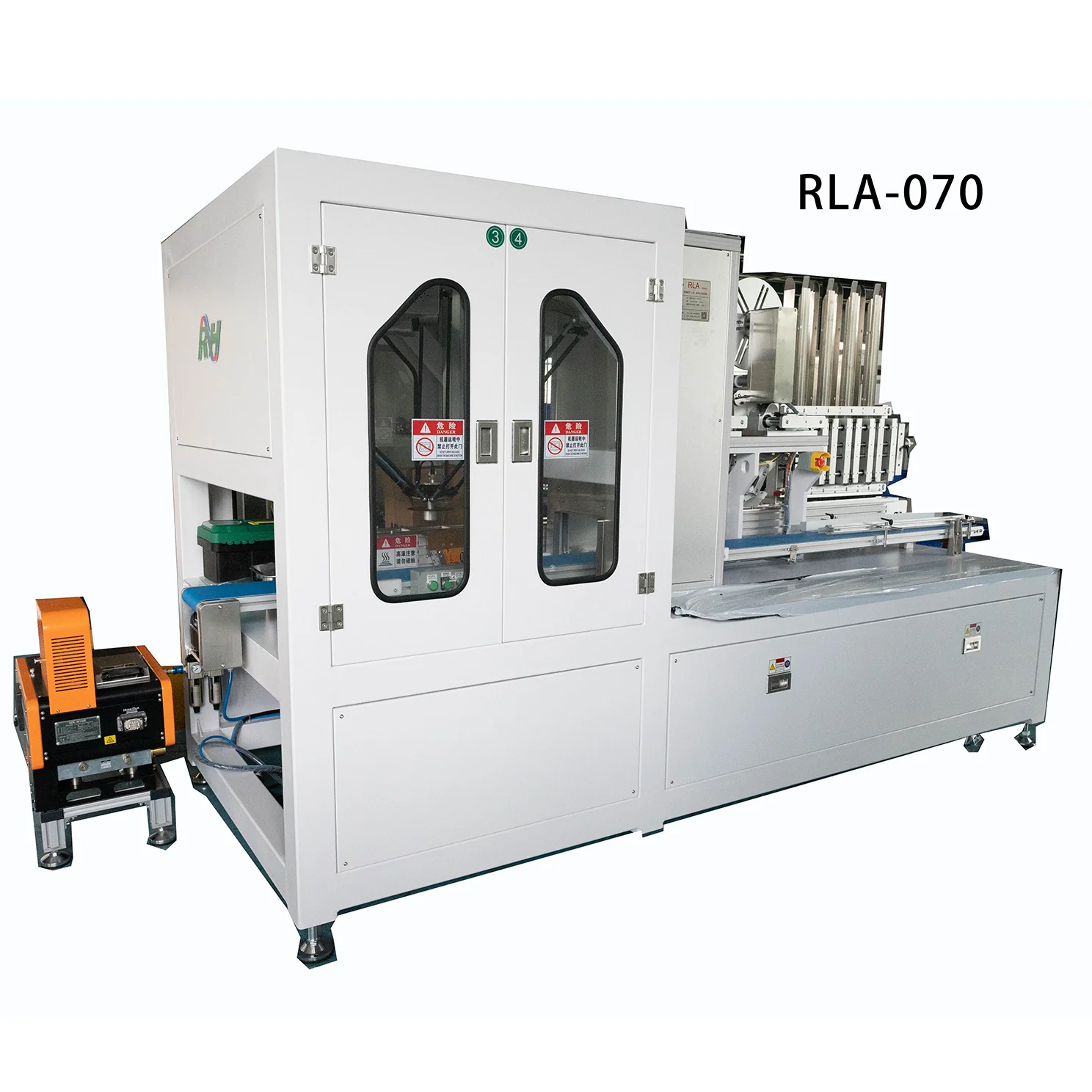
Look, it’s simpler than you think—speed alone is a false friend. I’ve fixed lines by focusing on web guiding, ultrasonic cutting consistency, and better preventive maintenance. Those changes cut waste more than adding another horsepower. In short: traditional upgrades tend to chase throughput. They often ignore handling, control logic, and tooling fit. That mismatch costs money and morale. I say we must judge a line by steady output, not peak bursts. The upshot? Rethink upgrades before you sign the order.
Future Outlook: Where Smart Lines and Practical Choices Meet
What’s Next?
Looking ahead, I’m optimistic but cautious. New systems tie sensors to smarter PLC schemes and feed simple dashboards for operators. The result: fewer surprises and clearer fixes. When I review plans now I watch for certain principles—modular tooling, clear HMI layout, and remote diagnostics. An automatic wet wipe machine with edge-friendly telemetry and robust power converters can alert a tech to a drift before it becomes a run of rejects. That kind of small change saves hefty sums over a year—funny how that works, right?
If you want a practical checklist, I recommend three core metrics to evaluate any machine or upgrade: uptime percentage (real run time vs scheduled), first-pass yield (good sheets out of total), and changeover time (minutes to switch SKU). Those three tell you if a purchase will truly reduce cost and stress. I’ve used them in tender teams and on the shop floor. They’re blunt, useful, and honest. In the end, we pick tools that support our people and our plans. If we do that, I’m proud to say we get better runs and calmer shifts — and the brand benefits too. For a partner with real line experience, consider ZLINK.