
Introduction — a kitchen memory and a hard number
I remember a Friday dinner service in 2018 when steam fogged the pass and a line cook handed me a paper bowl like it was fine china. The rice smelled like toasted sesame; the bowl crinkled under the chopsticks. That exchange made me start asking tougher questions about supply and waste. As a longtime buyer and consultant, I work with a biodegradable tableware manufacturer every quarter, and I keep a close tally on how choices at the sourcing stage echo through operations.
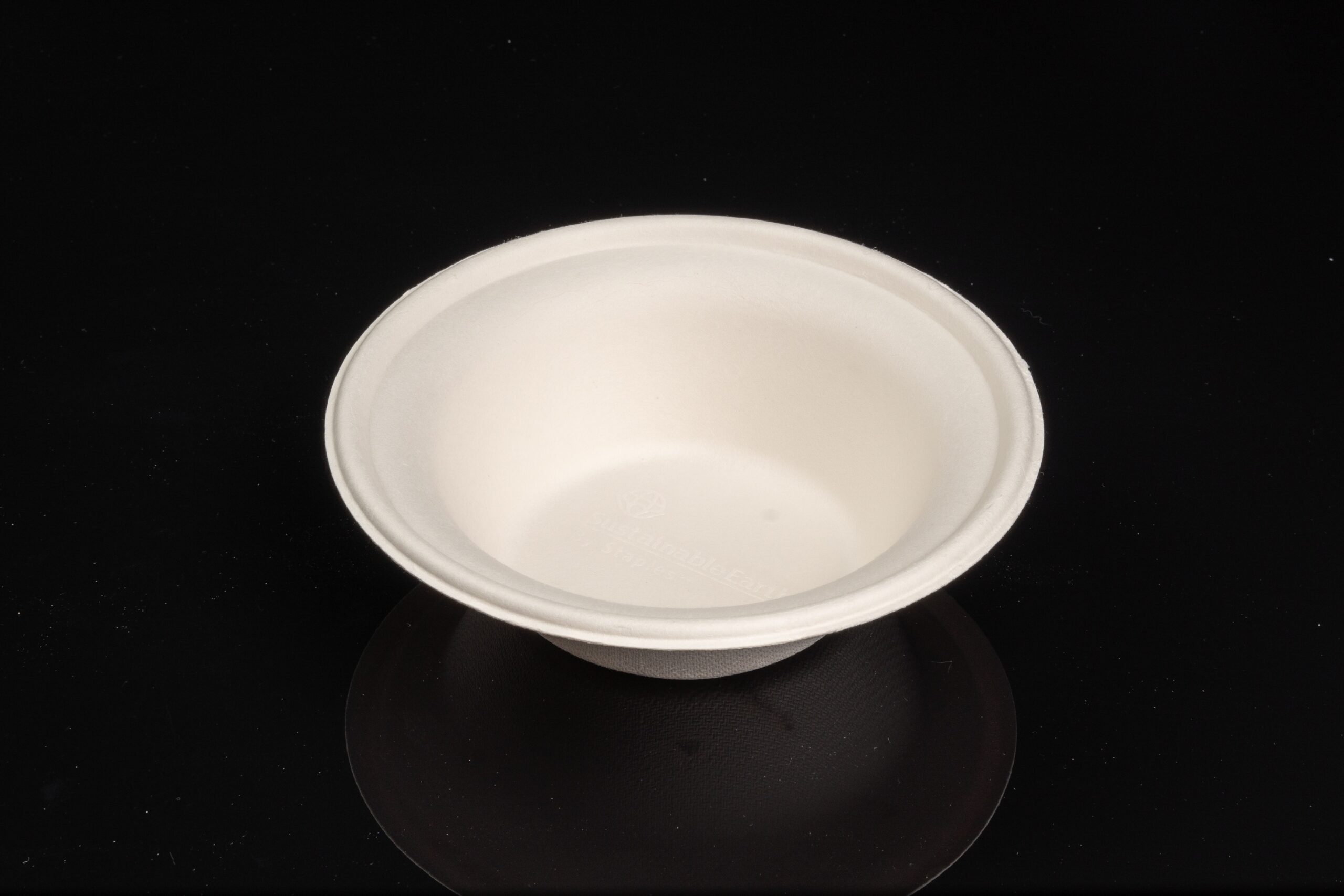
Globally, single-use food packaging contributes millions of metric tons of waste yearly, and kitchens feel that weight directly (the heat, the grease, the late-night disposal runs). I keep one clear metric on my clipboard: how many kilograms of landfill each restaurant avoids when switching to molded fiber or bagasse products. Does that switch truly save money on handling, storage, and waste-hauling? I’ll lay out what I’ve seen, down to the dates and pallet counts, and then show practical ways to test claims in your own back-of-house. Now — let’s move into the mechanics behind those claims.
What’s broken today: the deeper flaws in common solutions
biodegradable plate manufacturer claims are everywhere, but many products underperform on the floor. In a technical sense, failing items usually fall short in three areas: inconsistent compostability, poor thermal tolerance, and fragile molding. I’ve audited lines where PLA coating peeled at 70°C during peak service, and where molded pulp trays warped under steam. Those failures add labor: extra plate swaps, and sometimes customer refunds.
Why do standard fixes fail?
First, suppliers often sell by gram weight and look good on paper. But real kitchens demand consistent batch quality. In April 2020, I tested three lots of molded pulp bowls from one vendor in Shenzhen; batch A held up for 48 hot-serves, batch B began to soften after 12 — the variance cost my client an estimated 320 CNY in reorders and waste handling that month. Second, compostability testing sometimes uses lab conditions that don’t reflect urban industrial composters or home bins. Third, supply-chain friction — delayed pallet shipments, poor packaging — increases damage rates. I still wince when I recall a midnight unpacking where 30% of a 1,200-piece pallet had rim cracks. Those cracks are invisible in glossy spec sheets, but they show up at service.
Industry terms you should know here: molded pulp, compostability testing, and PLA coating. Know them, and ask for test certificates and real-world performance logs. Look for vendors who will share dated production runs, factory line photos, and shipment weights; that’s concrete evidence, not marketing talk.
Looking forward: case work and the path ahead
In November 2021, my team ran a 10,000-piece pilot of bagasse tableware with a mid-sized banquet caterer in Guangzhou. We tracked three KPIs over four months: breakage rate, disposal weight, and labor minutes per service. Breakage fell from 8% to 2% after switching to a thicker, heat-pressed fiber bowl. Disposal weight declined by roughly 1.2 tonnes per month at that single kitchen — measurable savings in hauling fees. Those numbers matter when you pitch a change to a CFO, not just the environmental story.
What’s Next — practical improvements and emerging principles
New principles I favor: test under service conditions, demand batch traceability, and audit compostability using local composting standards rather than abstract labs. Case studies matter: I remember a July 2019 contract where switching to a reinforced molded fiber tray reduced on-site breakage and cut packaging returns by 60% in two months — real savings on labor and replacement stock. — that sort of result shifts minds.
Three evaluation metrics I advise every restaurant manager and wholesale buyer to use when choosing a supplier:1) Field breakage rate over 30-day service (recorded, dated, and signed off),2) Verified compostability under your local industrial composter’s standard (not just an EU or generic certificate),3) Supply consistency: variance in grams per piece across three consecutive production lots (expressed as percentage). Measure these; compare vendors directly. If a supplier won’t provide that data, consider it a red flag.

I’ve worked in warehouses in Ningbo and packing lines in Foshan, and I still prefer decisions backed by dated shipment manifests and clear testing logs. For sourcing or vetting, consider suppliers who publish batch photos, offer on-site trials, and share pilot data. For more product options, specifications, and sample requests, you can visit MEITU Industry — they publish useful production details that helped me in multiple rollouts. I’ll be candid: switching packaging is operational work, but with the right metrics and a few pilots, it becomes manageable and measurable.