
Introduction: a small scene, some numbers, a question
I once watched a fisherman in Mombasa swap a noisy diesel outboard for a quiet electric rig at dawn — we all paused to listen. An electric motor sits at the heart of that moment, turning fuel noise into calm and torque into movement. Around the world, sales of electric drives rose by double digits last year (yes, the data is real — about 20% growth in key markets), and small shops are asking: how do we add this tech without breaking things or budgets? I want to share what I’ve learned, in plain talk and with a few useful terms like inverter and rotor thrown in, so you can judge for yourself. Next, I’ll dig into why common fixes fall short and what users quietly struggle with — then we look forward to practical options.
Deeper Layer: why old fixes for the pmsm motor often fail
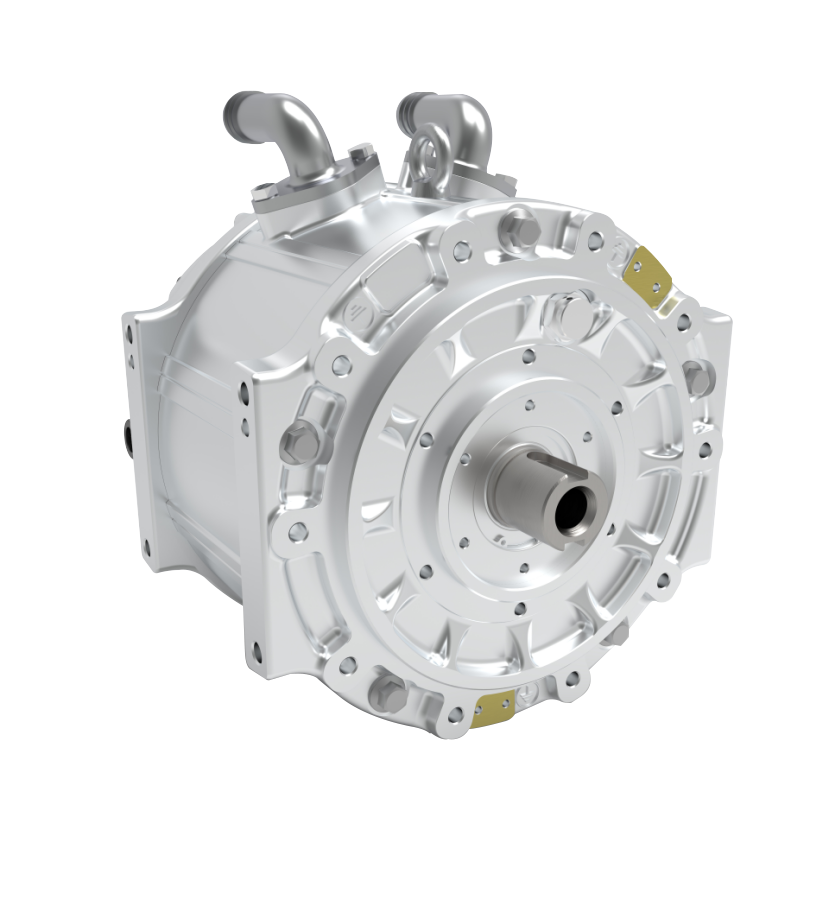
The pmsm motor promises high efficiency and smooth torque — but I keep seeing the same missteps. Engineers lean on simple PWM drives and hope the job is done. Trouble is, poor tuning and limited control methods cause torque ripple and overheating. We think a stronger inverter will fix it, but often the issue is integration: mismatched power converters, wrong field-oriented control settings, or sensors placed where thermal gradients fool them. This is technical, yes, but it’s also human: teams rush, schedules bite, and corners get cut. Look, it’s simpler than you think when you stop assuming one-size-fits-all solutions.
Why does this keep happening?
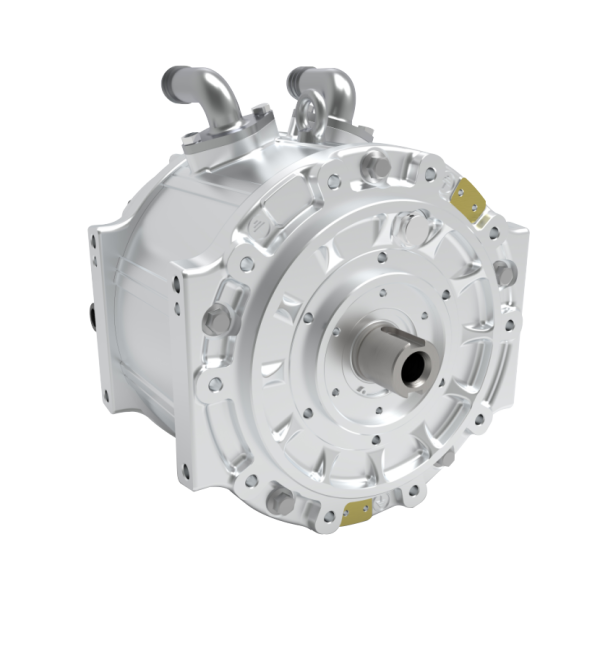
First, legacy thinking. People treat a pmsm motor like an upgrade you drop into old wiring. It is not plug-and-play if the controller, cooling plan, and mechanical mounting don’t match. Second, hidden signals. Users notice vibration or shorter run-times but report only the symptom — not the operating profile or ambient temp. Third, tool gaps: many shops lack instruments for precise motor current analysis, so they chase noise instead of root causes. I’ve fixed systems by changing control loops and adding simple sensors — small moves with big returns. The result? Lower heat, steadier torque, and longer life for the stator and rotor.
Looking Forward: principles and practical steps for better integration
What’s next is about adopting a few clear principles, not a pile of new gadgets. Start with matched design: choose controllers and power converters sized for your continuous load, not just peak. Add field-oriented control where the application tolerates it; it smooths torque and reduces energy loss. For marine uses, consider sealed enclosures and salt-rated connectors — fish don’t care about IP codes, but your system will. Also, think about system monitoring: modest telemetry (simple current and temperature logs) prevents surprises. These steps make electric boat motors more reliable and easier to service.
What’s Next — real-world steps?
I’d suggest a small pilot first. Put one machine on a revised control scheme, measure torque ripple and temperature, and compare runtime. You’ll see the gains in days, not months. — funny how that works, right? Then scale the changes across similar units. In my experience, the metrics that matter are clear: continuous efficiency under load, thermal margin, and maintainability. Measure those and you’ll stop guessing.
In closing, I offer three practical evaluation metrics to guide choices: 1) Continuous power capacity vs. peak — pick equipment that survives long runs; 2) Control bandwidth — ensure your controller supports field-oriented control and fast current sampling; 3) Service footprint — Parts availability and simple diagnostics save time and money. I’ve tested these ideas in workshops and small fleets, and they work. If you want a reliable partner when moving from idea to deployment, check the motors and support resources from Santroll. I’m telling you this from hands-on fixes and late-night troubleshooting — and I’d rather you skip those hours.