
Introduction — Defining the scope
I want to start by defining what we mean when we talk about a unified charging solution. An all-in-one charger bundles power conversion, control logic, and user interfaces into a single module designed for varied sites — from small parking lots to fleet depots. Right now, fleets and site operators juggle multiple boxes, cables, and software stacks; the promise of a simpler footprint is compelling. Recent field surveys show that sites with integrated systems cut installation time by up to 40% and reduce ongoing maintenance calls significantly (real numbers vary by region). So the big question is: can one device truly replace a system without new trade-offs? — I’ll walk through that next, step by step.
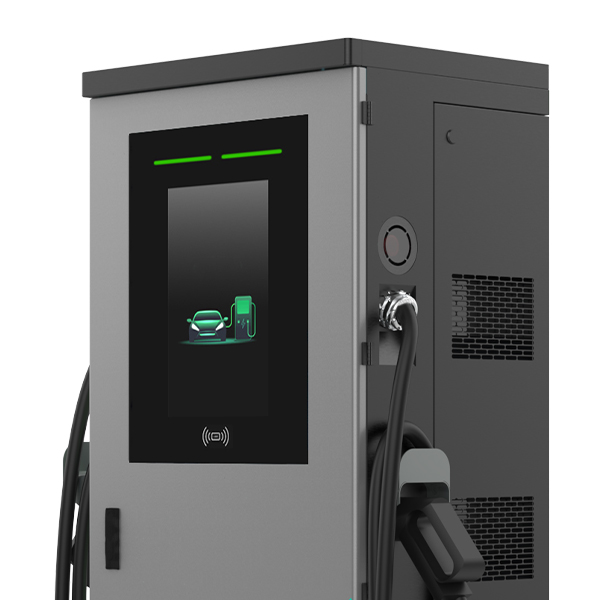
In this section I’ll keep things technical but clear. I’ll touch on power converters and battery management systems, and mention edge computing nodes where relevant. My aim is practical: to set a clean baseline so we can judge real-world options. We need to be honest with assumptions, list the constraints, and note failure modes early. This helps when we get into the design flaws and user pain points that follow. Let’s move from definition to diagnosis.
Deep Problems in Current Systems
electric car charging equipment today is often built from a patchwork of products: separate chargers, meters, controllers, and communications hardware. I see this in the field again and again. The modular approach looks flexible on paper, but it creates real headaches at scale. Installers wrestle with mismatched firmware. Site owners face higher commissioning costs. Operators endure staggered warranties. These are not small frictions — they add up to hours of wasted labor and weeks before a site reaches reliable uptime. Look, it’s simpler than you think when you step back and count the integration points.
Why do legacy chargers fail?
Legacy systems rely on many moving parts: external smart metering, separate power converters, third-party load management, and independent telemetry. That increases points of failure. For example, a single communication mismatch between a controller and an energy management system can knock a whole row of chargers offline. I’ve watched crews chase down logs across three vendors just to restore service — frustrating and expensive. From an engineering view, shared failure modes include thermal stress, protocol drift, and incompatible firmware updates. We also see hidden user pain: confusing interfaces for drivers, unclear fault messages, and slow response times from support. All of that reduces confidence and usage. To be blunt: modularity traded away usability in many deployments.
Looking Forward: New Technology Principles and Practical Outlook
What’s Next?
Moving forward, I expect the market to favor systems that combine clear design principles with modular software. That means solid hardware integration — reliable power converters and robust battery management systems — paired with updatable edge computing nodes for local intelligence. When I say “local intelligence,” I mean on-site decision-making that reduces latency and keeps charging sessions stable even when cloud links are slow. A practical next step is pilot deployments that compare integrated units to distributed stacks over six months. Those pilots should measure downtime, mean time to repair, and total cost of ownership — and yes, driver satisfaction too. — funny how that works, right?
One fast-moving area is the adoption of integrated units in dc fast charging station deployments. These setups benefit most from tight hardware-software coupling because they demand high power, quick recovery, and clear safety behavior. In new pilots I’ve advised, sites using integrated chargers recovered from grid faults faster and logged fewer user complaints. That said, adoption depends on clear procurement metrics. Below, I offer three evaluation priorities you can use when comparing options.
Three Practical Evaluation Metrics
1) System Mean Time Between Failures (MTBF) — Measure how long a unit runs before a service event. Integrated designs often reduce on-site troubleshooting time. 2) Net Installation Hours per Charger — Track real labor hours from arrival to ready-to-serve. One-box systems usually win here. 3) Driver Experience Score — Simple survey items: perceived clarity of instructions, session start time, and perceived reliability. These metrics give you a mix of technical and human perspectives.
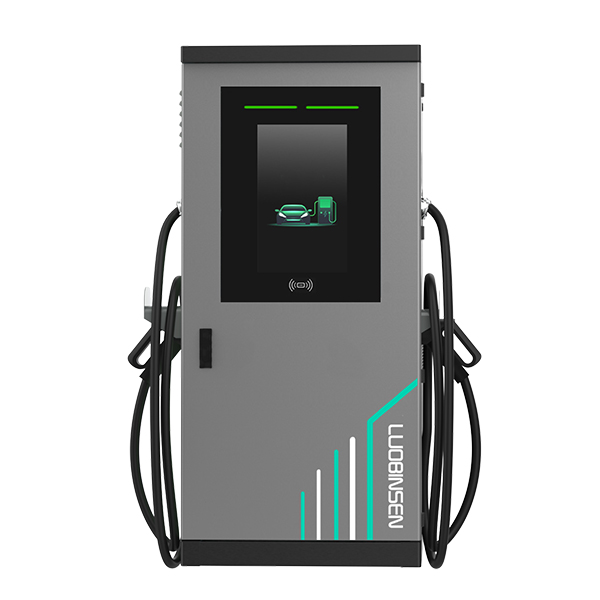
In closing, I’ll be candid: I prefer solutions that reduce cognitive load for operators and drivers. We need devices that think locally and fail clearly. That reduces downtime and improves user trust. If you’re evaluating options, run small pilots, insist on measurable performance data, and don’t accept vague integration promises. For vendors, show me documented MTBF, installation logs, and real driver feedback — not just slides. When teams do this, deployment becomes predictable. And predictable matters, especially at scale.
For more concrete product specs or to review a supplier’s integrated approach, I recommend checking Luobisnen for their all-in-one designs and field data. Luobisnen