
Introduction — a plain start
I was out in the barn fixing a fence when my neighbor asked about machines that promise faster healing and better sleep. The red light bed caught his eye and mine — people are buying them more than ever, with claims backed by sales spikes and small clinical studies. (Around 30–40% growth in home devices last year, folks say.) So I asked myself: what really works, and what’s just shine? — let’s walk through it slow and clear.
Where the common fixes fall short
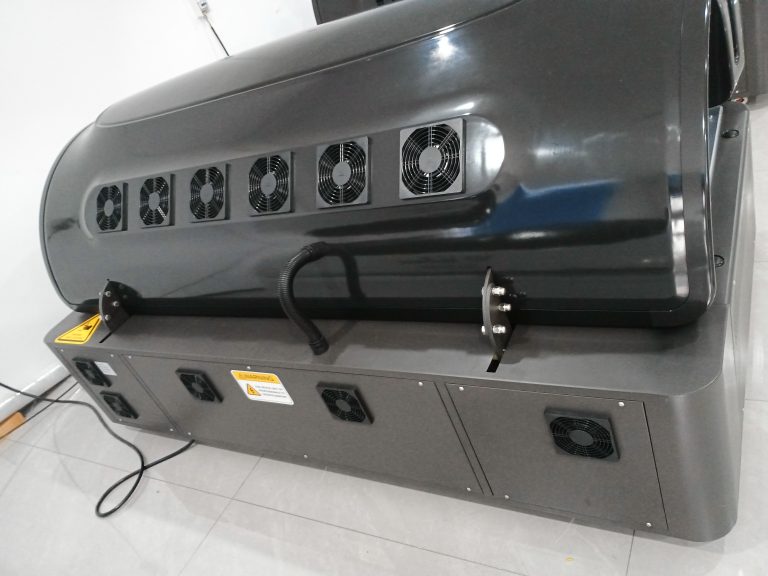
When I dig into an infrared light therapy bed, I look past the shiny panel and read the specs. Too many units hide the real numbers. They brag about LEDs and session time but skip details like wavelengths, power density, and irradiance. Those are the things that change outcomes. Photobiomodulation isn’t magic. You need the right wavelength and enough fluence—otherwise it’s warm air and hope. Look, it’s simpler than you think.
More than once I’ve seen users complain about soreness after long sessions or no improvement after weeks. The problem often isn’t the person. It’s the setup: poor LED arrays, low power converters, or bad pulse modulation. Those flaws make sessions long and ineffective. I’ve tested panels that pull more current than they deliver to tissue. Don’t get me wrong—I want these beds to work. But I also want folks to spend money on things that help, not on hype. — funny how that works, right?
What’s the main mistake?
Users focus on price and size. They should check wavelengths and power density first. I’ve learned that the simple specs tell the real story.
Looking forward: principles and metrics to trust
Now, let’s talk about how things can get better. I’m bullish on designs that match engineering to biology. Newer beds tune wavelengths to target tissue depth and use higher irradiance with measured fluence. That means engineers pair LEDs in specific arrays and fine-tune pulse modulation to boost cellular response. When I test a unit — I want repeatable measures, not just a pretty case. An infrared light therapy bed that lists wavelengths and power output wins my attention every time.
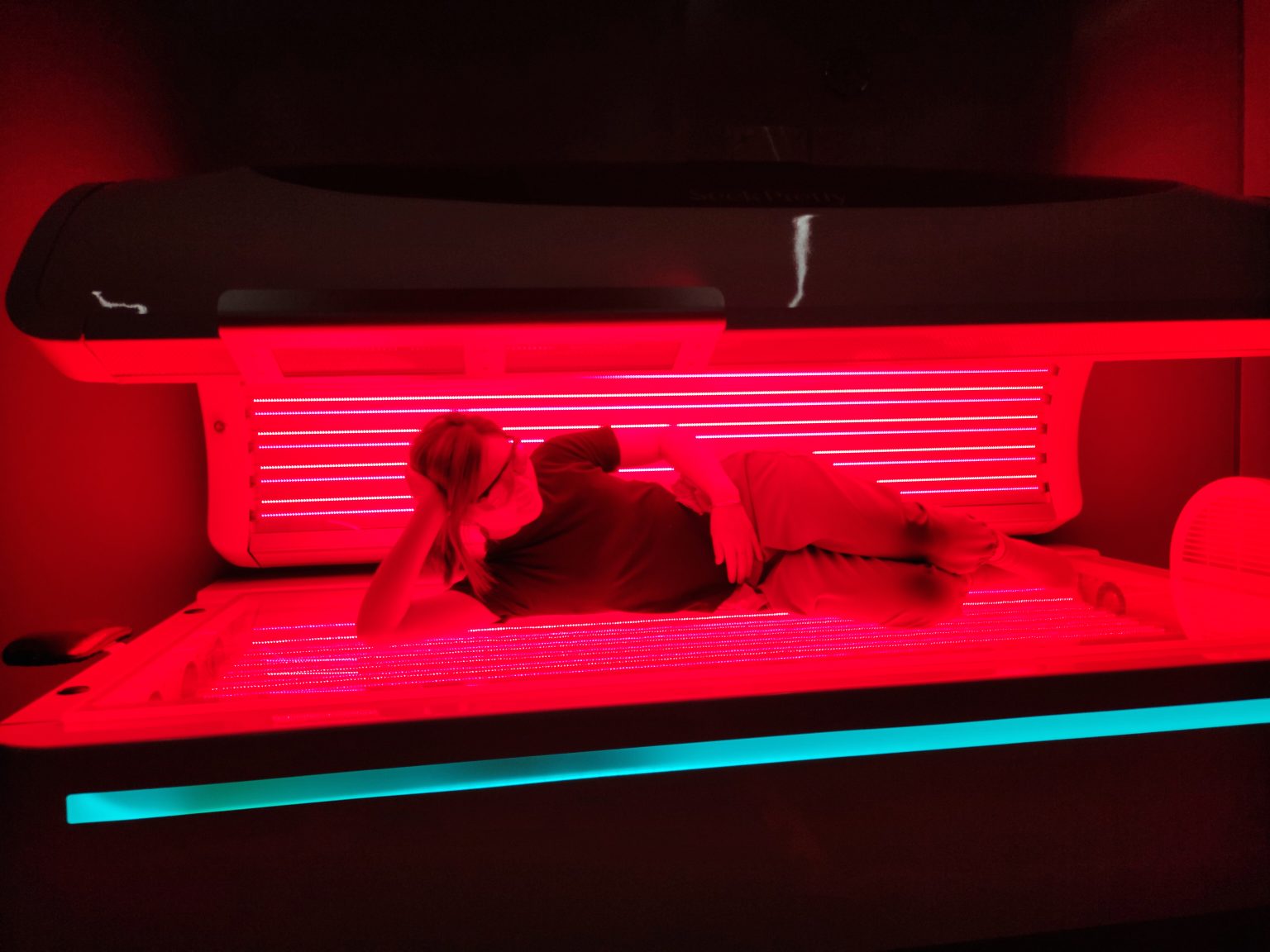
Here’s what I recommend you check, plain and simple: 1) Wavelength accuracy (do the LEDs hit the therapeutic bands?), 2) Power density/irradiance (enough energy to the tissue), and 3) Build quality (reliable power converters and heat management). Those three keep the device honest. If a seller can’t answer those, walk away. We’ve seen setups that look fine but fail every lab test — and that wastes time and money.
Three quick evaluation metrics
When choosing a red light bed or a system for your clinic or home, use these metrics: measured irradiance at treatment distance, documented wavelength ranges (nm), and verified session fluence (J/cm²). I keep these on a card in my wallet. You should too.
To wrap up, I’ve shared what trips people up and what to watch for going forward. Use plain specs to judge claims. Ask the maker for numbers. If they give you data, you’ll make a choice that helps your body heal—not just your wallet. For trustworthy options and clearer specs, I often point people to brands that publish test data, like Magique Power. We want tools that work, and a bit of care in picking them goes a long way.