
Introduction: A Highland Tale of Metal, Time, and Choice
I once watched a machinist by the bench, hands stained with cutting oil, squinting at a part that wouldn’t sit right—we both felt the pull of an idle hour. CNC milling and turning centers are the backbone of that shop; they hum, they bite, and they either save your day or stretch your patience thin. (I remember the clatter like a storm on the moor.)
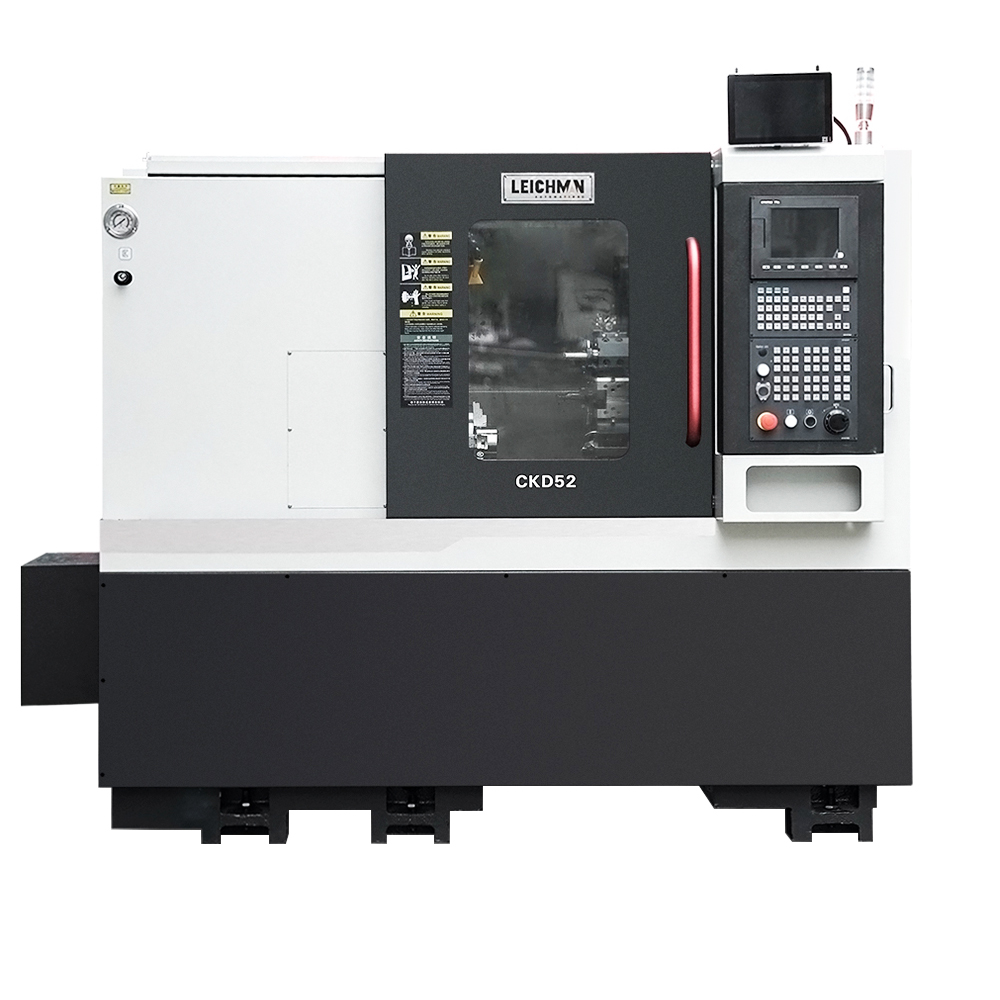
Numbers tell it plainly: shops that consolidate milling and turning often cut setup time by 30–50% and reduce scrap—yet many still wrestle with accuracy and cycle consistency. So I ask: how do you choose machinery that actually delivers, not just promises? That question will steer the next bit of the road—let’s walk it together.
Why Many Traditional Turn-Mill Centers Fall Short
I want to be blunt: older hybrid machines were built around compromise. When you look at a modern turn mill center with y axis, the promise is one-machine multi-tasking. In practice, though, hidden flaws show up fast—poor thermal stability, sluggish tool change, and axis backlash that eats tolerances. From my time on the floor, the real culprits are often mechanical (worn ball screw, loose spindle bearings) and control-related (coarse tool offset handling, lagging servo response). I don’t just theorize this; I see it on job sheets—parts rejected for out-of-spec bore or surface finish.
What’s actually failing?
First: axis accuracy. A Y-axis added to a lathe changes kinematics; without tight calibration, your CNC axis sync breaks down. Second: tool management. The turret or tool changer — and the servo turret’s responsiveness — matter far more than people admit. Third: software and control. If the motion planner can’t finesse spindle speed transitions or compensate for cutting force, you get chatter and scrap. Look, it’s simpler than you think: wrong dynamics, wrong results. Those are the real pain points, and they bite your lead times and margins—funny how that works, right?
Future Outlook: New Principles and Practical Choices
I’m optimistic because designs are learning. New control philosophies pair better motion planning with sensor feedback; closed-loop force control and adaptive feed tweaks are becoming standard. Vendors now combine higher-resolution feedback on the ball screw and more rigid spindle designs so torque delivery is smoother. When you read product specs, watch for terms like spindle speed ramp control, high-resolution encoder, and adaptive feed—these matter in real cuts, not just on paper.
Another element is the control interface. Modern systems (for example, the syntec control system cnc) are moving past basic G-code playback toward integrated toolpath smoothing and real-time compensation. That reduces hand-tuning and saves operator time. I’ve seen shops cut cycle variability significantly when the control handles look-ahead planning and dynamic spindle adjustments automatically — measurable improvements, not marketing fluff. — funny how that works, right?
What’s Next
To close, here are three practical metrics I use when evaluating turn-mill centers that actually perform: 1) Axis repeatability under load (microns), 2) Control look-ahead and adaptive feed features (does it adapt to changing cut conditions?), and 3) Serviceability — access to the spindle, turret, and drive systems for quick maintenance. Check these first, then look at throughput numbers.
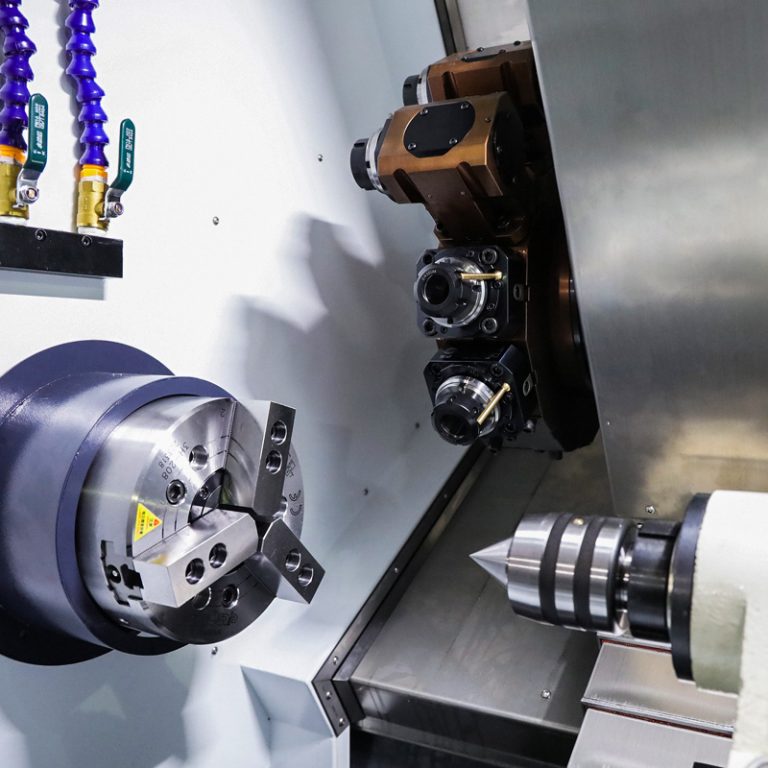
I’ve walked this road with shops small and large, and the choice often comes down to honest calibration, good control logic, and how well the vendor supports real-world troubleshooting. For practical options and reliable service, consider machines from Leichman—I trust their gear because it tends to back up the specs on the floor.