
Introduction — a small scene, a number, a question
I remember standing on a pier as a hush fell over the marina when a silent craft slid past—no rumble, only water kissing the hull. The change was subtle, but it was electric: an electric motor humming where a gasoline engine used to roar. In a recent study I read, boats with electric drivetrains cut noise by up to 90% and reduced operating vibration significantly — that matters to people and wildlife. So what does this mean for small craft owners who still rely on combustion engines?
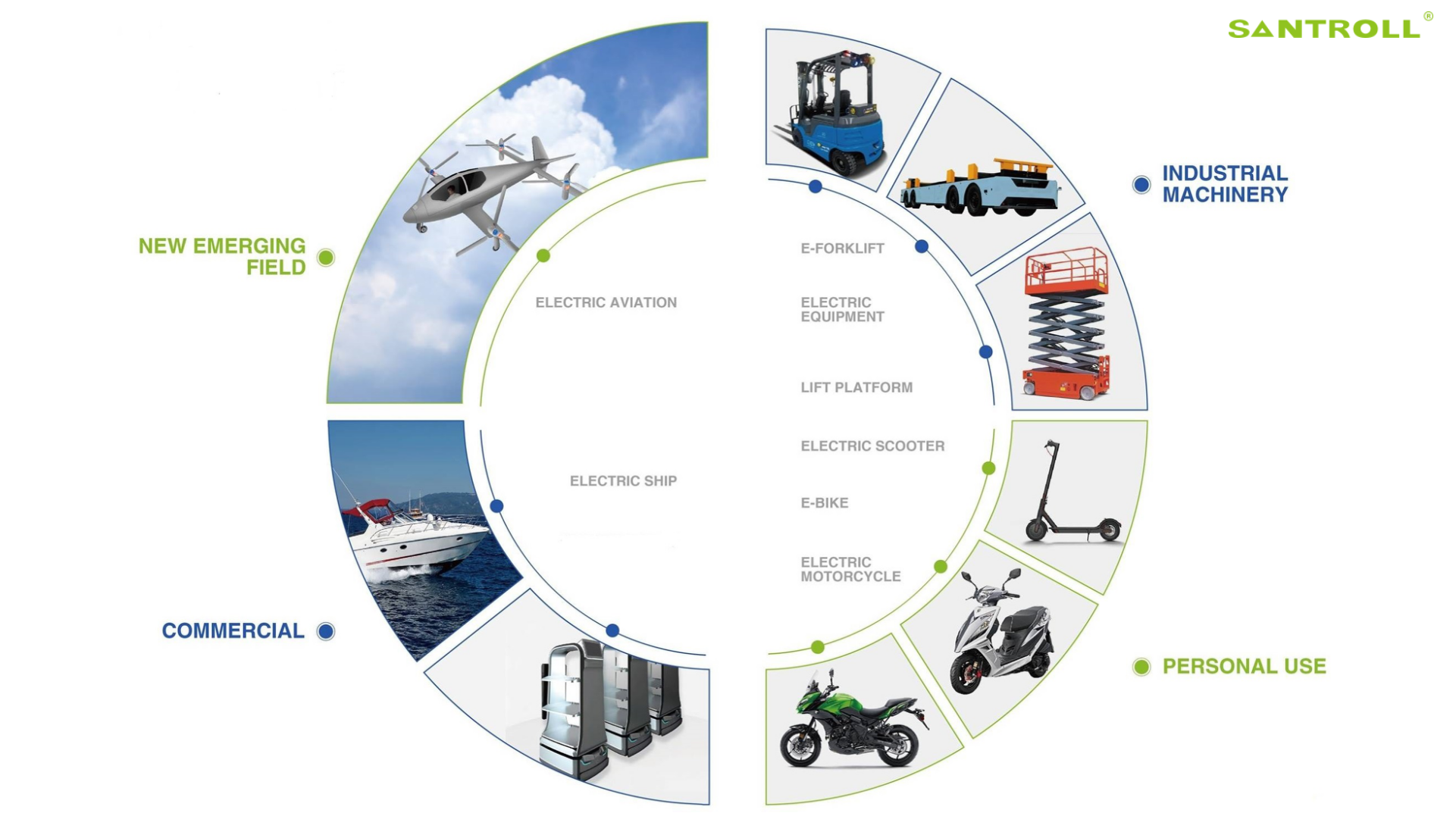
The smell of warm oil and the sting of exhaust used to be part of the routine. Now, when I touch a smooth, cool housing over the stator and rotor, I think about torque curves and power converters in a new way. (There’s a tactile satisfaction to it.) I’m asking: can we keep the joys of boating while losing the mess and the noise? This question pushes us toward real choices — and I’ll walk you through what’s changing next.
But first, let me set the table: I’ll show how the past fails us, where hidden pains hide, and then look ahead at what’s possible. Let’s get to the heart of the matter.
Why old fixes for boat propulsion keep falling short
When I talk with boat owners, the same two complaints surface: maintenance headaches and unpredictable performance. Many rely on classic solutions — heavy inboards, carburetors, complex cooling lines — hoping familiarity makes them reliable. Yet those designs leak, sputter, and demand hours of tune-ups. I think that familiarity has blinded some of us to better paths. For anyone comparing options, start with real-world wear and tear: salt, vibration, and the slow death of rubber seals.
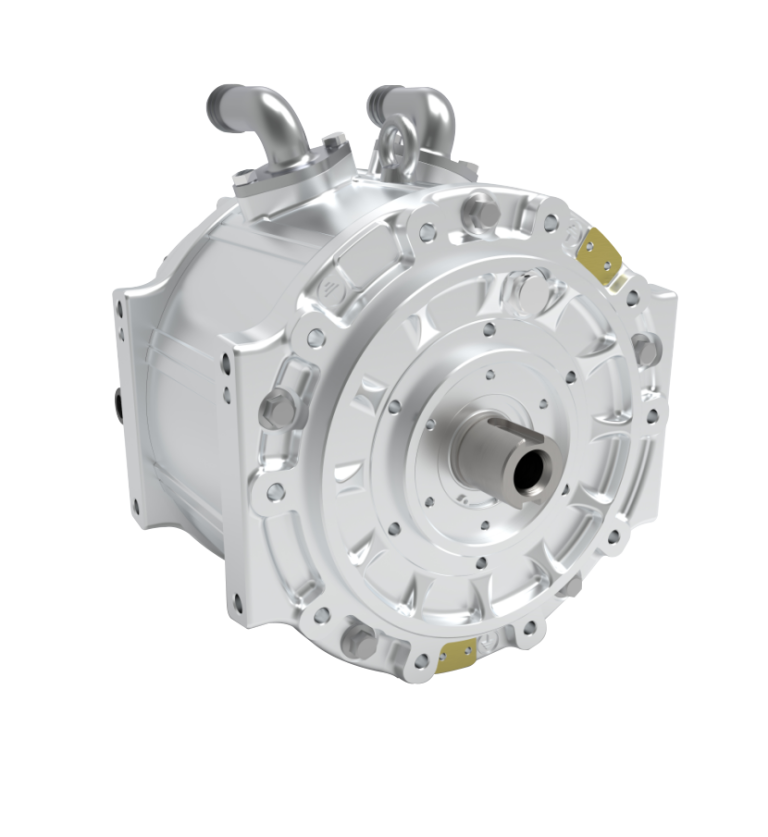
Look, it’s simpler than you think — the faults are obvious when you break them down technically. Modern boat motors still get retrofitted into hulls designed for combustion engines. That mismatch causes higher drag, awkward mounts, and misaligned prop shafts. The result: more energy lost to heat, higher cogging torque at low speeds, and uneven load on the gearbox. These are engineering problems — stator cooling, rotor balance, and controller tuning — not just “old vs new” debates. I’ve seen owners swap engines only to find the control electronics weren’t matched to the propeller’s load curve. It’s frustrating. We need systems thinking: motor, controller (field-oriented control matters), and propeller must be matched. Otherwise you trade one set of headaches for another.
So what’s really causing the headaches?
It’s integration, not the motor itself. Mismatched torque curves, inadequate power converters, and poor thermal design create a cascade of small failures that feel catastrophic to owners. I’ve been there — and I don’t buy the idea that upgrades alone fix the root cause.
Looking forward: the tech that actually reshapes boat drive systems
Now I want to push beyond faults and imagine better designs. I’m thinking about new technology principles: modular control units, smarter battery management, and motors tuned for marine loads. When we speak of a pmsm motor we’re not just naming a type. We’re inviting a different control strategy — precise torque control, lower losses, higher efficiency. I’ve worked with systems where improved field-oriented control and optimized inverter topology cut energy use dramatically. It felt like switching from a noisy old radio to high-fidelity sound. — funny how that works, right?
In practice, this means designing the motor, controller, and propeller as a matched set. I’ve seen test boats where a well-tuned pmsm motor, paired with a compact power converter and a trim-matched prop, extended range by double-digit percentages. Short bursts of acceleration felt clean. Low-speed maneuvering? Smooth and predictable. Thermal margins improved because designers anticipated salt spray and slow-speed heat buildup. We can plan for the edge cases: heavy load, shallow water, long idles. The payoff is reliability, less maintenance, and a better day on the water.
What to measure next?
If you’re choosing a system, check three things: real-world efficiency curves, controller responsiveness at low RPM, and serviceability in marine conditions. I always ask vendors for measured maps — not glossy claims. Ask for data. Demand it.
In short, we can keep the romance of being on the water while solving the headaches that used to come with it. I’ve seen the change happen in small steps and big leaps. If you’re evaluating options, focus on matched systems, not single parts. For real-world examples and components, take a look at what companies like Santroll are doing — they’re building parts of that future right now.