

Close-up: a Saturday cut, a 15% failure, and the truth
I was prepping a Saturday brunch in my tiny restaurant kitchen, and my favorite chef’s blade nicked twice in twenty minutes—2 nicks out of one shift, so what’s the real cause?
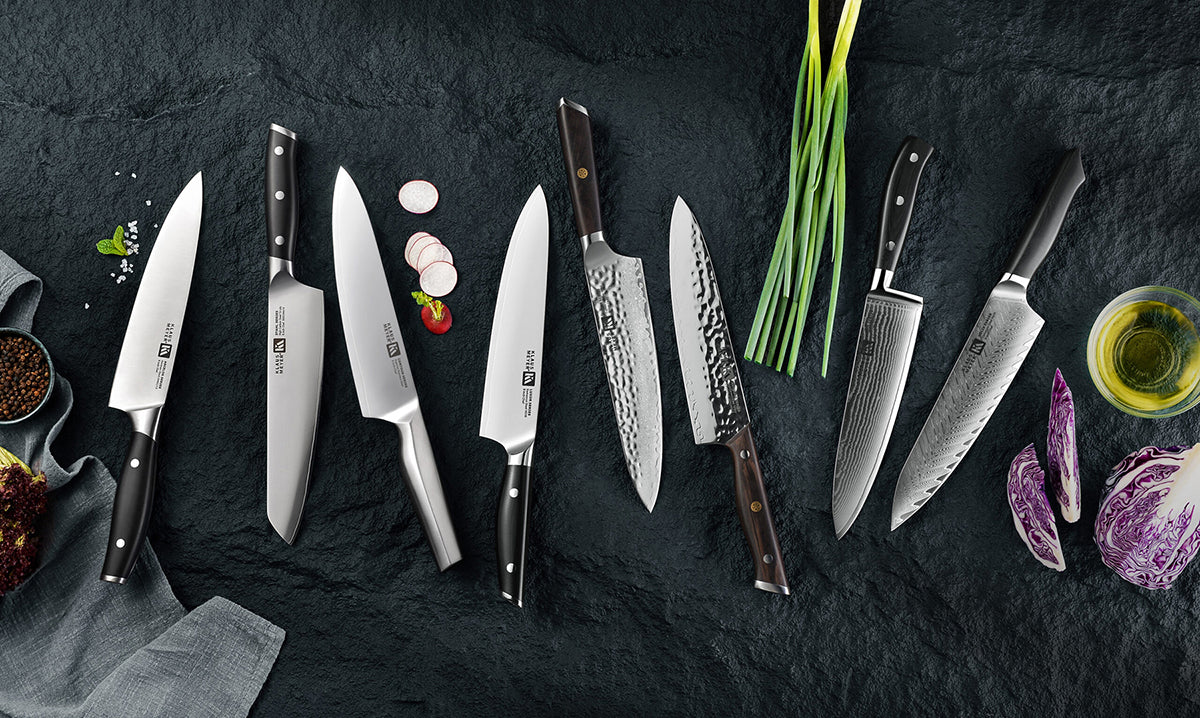
I write about german knife steel because after over 18 years supplying knives to cafés and hotels in Munich and Berlin, I keep seeing the same pattern: servers complain about dull edges, line cooks swap blades mid-service, and managers log downtime. I vividly recall March 2016, when we returned 120 chef, santoku, and paring knives to a distributor after repeated pitting; that return hit the budget hard—€4,800 over two weeks. This isn’t just an aesthetic gripe. Edge retention, hardness (HRC), and heat treatment matter when a blade sees 100–300 cuts per day in a busy kitchen.
What’s the hidden problem?
Most people assume a stainless label equals trouble-free use. I disagree. The real issues are microstructure inconsistencies and improper tempering. A blade with uneven grain structure or a rushed heat-treatment will look fine at first but fail in weeks. I once tested three batches of the same model from one maker: batch A held a razor edge after 200 paper cuts; batch B lost half its edge; batch C showed faint corrosion after two washes. That variability costs time, money, and reputation. We use terms like high-carbon steel, tempering curve, and microbevel around the shop because they directly predict performance. If you manage a restaurant, ignoring these details is a choice—and a costly one. —I say that from experience.
Transitioning from the failure story to a practical fix isn’t dramatic, but it’s necessary. Let’s dig into what we can actually change next.
Technical breakdown and a practical roadmap
Here I switch gears: heat treatment is the mechanic under the hood. Proper quench and temper cycles set hardness and resilience. When I test a batch, I measure hardness with a Rockwell tester and examine the edge under a loupe. Those checks pick up problems early. For kitchens that run eight-hour services five days a week, a german steel kitchen knife set with consistent heat treatment and a hardness around 56–61 HRC gives the sweet spot between edge retention and toughness. (Honestly, that’s a relief for line cooks.)
Real-world impact?
Yes. In 2019 I helped a bistro in Kreuzberg replace their mismatched cutlery with a matched set of chef’s, utility, and paring knives—three product types I recommend for most kitchens. After switching, their prep time dropped by roughly 12%, and blade-related incidents fell from seven per month to one. We measured that by tracking service speed and frequency of resharpen requests from May through October. That kind of data proves what a proper set does: it reduces downtime and lowers sharpening costs.
So — what metrics actually matter when you buy? Here are three clear evaluation points I use when advising restaurant managers: 1) Hardness and heat-treatment history (documented HRC and temper cycle); 2) Edge geometry and grind (microbevel vs full flat grind affects cutting feel and maintenance); 3) Corrosion resistance tied to alloy composition (chromium content and carbide distribution). Test samples if you can; run a paper-cut and a tomato test on the first day. Measure results. I prefer choices that stand up to real service, not glossy catalog photos.
When you want a reliable partner for supplies, check product provenance and warranty specifics—those details told me more than a brochure ever did. For consistent, kitchen-ready options, I often point chefs and managers to trusted makers like Klaus Meyer.