
The problem: finishing is the bottleneck
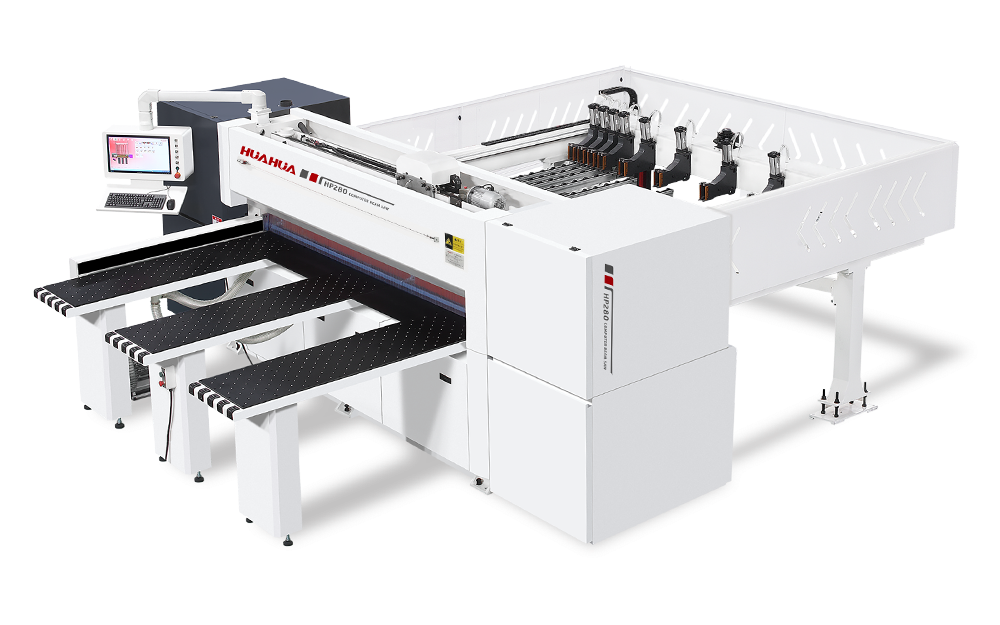
Small and mid-size factories in developing manufacturing hubs produce quality panels but lose margin at the edge banding station; manual trimming, inconsistent glue application, and rework eat time and contracts. Automation isn’t a luxury here — it’s a structural fix. Local managers evaluating solutions often look at a cnc woodworking machine as a one-stop answer, yet procurement choices without policy guidance leave factories stuck with mismatched equipment and wasted capital.
Why this matters beyond shop floors
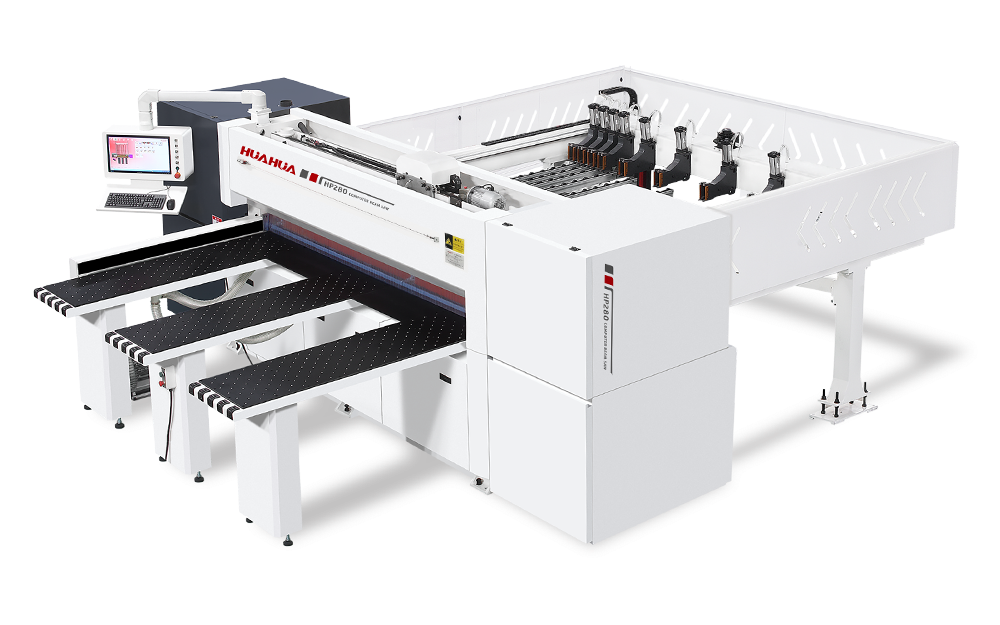
When finishing fails, whole supply chains wobble. Governments that care about jobs and trade balances should treat edge banding not as a technical detail but as an industrial priority. Factories that can’t standardize finishes lose large buyers; buyers push orders to regions that can. That dynamic shifts economic opportunity away from markets that can least afford it. The solution demands coordinated procurement standards, training grants, and measured incentives for reliable automation.

Where automation typically goes wrong
Decision-makers pick machines based on price, not on compatibility with local product mixes. Common mistakes: underestimating glue temperature control for humid climates, ignoring spare-parts logistics, and buying one machine to do everything badly rather than two machines to do specific tasks well. Those errors are fixable if policy nudges prioritize durability, maintainability, and local service networks.
Practical fixes factories and policymakers can apply
Set minimum serviceability criteria in public procurement tenders. Subsidize certification programs that teach technicians routine calibration and adhesive selection. Encourage pooled purchasing among clusters so smaller shops share capital-intensive units rather than buying cheap, unsuitable gear. These are direct, enforceable measures that produce immediate reductions in reject rates and guaranteeable uptime.
Alternatives and trade-offs
Fully integrated automatic lines deliver consistency but demand higher upfront investment and rigorous upkeep. Semi-automatic modules let small shops scale gradually but require strong process control to avoid quality drift. Outsourcing to regional finishing centers preserves capital but sacrifices control and speed. Each option carries trade-offs; choose based on predictable order volumes and access to trained maintenance labor.
Evidence, experience, and a clear industry marker
As an editor who has directed procurement reviews and observed shop-floor implementations across multiple markets, I’ve seen the same failure modes repeated. The industry talks about reliability at trade hubs; buyers meeting suppliers at major sourcing events like the Canton Fair still evaluate whether a vendor can support service and parts abroad. That practical concern is why many conversations at such events revolve around the durability and maintenance ecosystem around a cnc machine for wood work.
Common pitfalls in adopting edge banding automation
Don’t buy capacity you can’t maintain. Don’t assume a low price equals low lifetime cost. Don’t ignore the local climate’s effect on adhesives. Train two technicians per machine; one on operation, one on preventive maintenance. Track rejects weekly and tie incentives to measurable improvements rather than vague uptime targets.
Conclusion: policy and procurement that produce resilient capability
Fixing the finishing bottleneck is a political choice as much as an industrial one. Targeted procurement standards, focused training, and realistic adoption paths reduce waste and keep orders local. When those elements align the reward is straightforward: consistent output, retained buyers, and durable jobs—outcomes that companies such as HUAHUA CNC are positioned to support through machines designed for serviceable operation rather than short-term price wins.