
Introduction — A solder-slick morning, thick with smoke
I walked into a workshop once where the air smelled like burnt solder and hot resin — a real punch to the senses. In many facilities, fume extraction for electronics and industrial applications is the only thing standing between a clean workspace and a health hazard; yet surveys show up to 40% of small assembly lines still rely on ad-hoc ventilation (yes, a fan in the window). How do you know your solution isn’t just moving the problem around? I’ll paint the scene, share plain data, and then ask: what practical steps stop fumes at the source rather than scatter them? — this matters when you’re dealing with solder fumes, volatile organic compounds, and tiny particulate that sting the eyes and lungs.
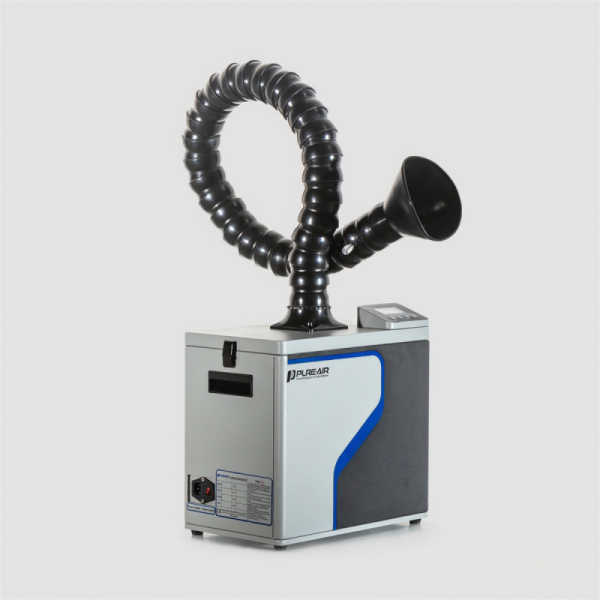
The point is sensory: you hear the hiss of solder, see the thin haze settle, feel the throat tighten after an hour. That immediate feedback should guide design, but it rarely does. I want us to treat extraction as a craft — like seasoning a dish — not a checkbox. In the sections ahead I’ll break down where common systems fail, what hidden pains operators face, and where new principles can actually make air cleaner, quieter, and safer. Let’s move from the smell of the room to the nuts and bolts of the solution.
Why many traditional systems fail in manufacturing electronic products
When I audit a line for manufacturing electronic products, I see the same patterns: underpowered fans, wrong filter type, ductwork that leaks — and assumptions that “more airflow” equals better capture. Look, it’s simpler than you think: capture needs to be local and immediate. Old hood-and-room systems try to dilute contaminants across the space. That reduces concentration but leaves workers exposed during tasks. From a technical view, poor face velocity at the capture point and wrong filter media — for example, missing HEPA stages or no activated carbon for VOCs — are common mistakes.
Here’s the kicker: many teams specify fans by cubic feet per minute (CFM) without mapping capture velocity or considering cross-drafts from edge computing nodes, power converters, or nearby HVAC returns. The result is foggy workstations and recurring complaints. I’ve had operators tell me they cover extraction ports with parts bins — inconvenient, yes, but telling. It signals a mismatch between human workflow and equipment design. (So we must account for ergonomics, not just pump size.)
What’s the core technical gap?
The real gap is in capture efficiency versus system efficiency. Systems built only to move air ignore particle behaviour and chemical adsorption. In practice, you need correct nozzle placement, staged filtration (pre-filter, HEPA, activated carbon), and consideration for electrostatic effects on particulates. Those are industry terms and practical tools — but without integrating them into the line layout, you get another retrofit and more downtime.
New principles for next-generation fume control
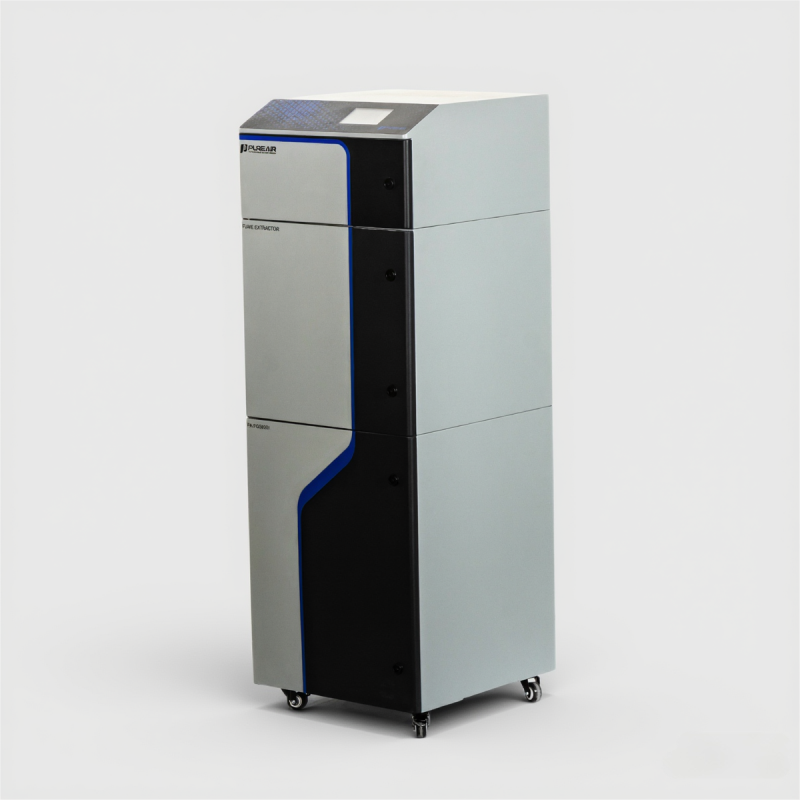
Looking forward, I think the shift is toward smarter, local capture combined with better filtration standards. For manufacturing electronic products, that means integrating small, high-capture hoods at the soldering point — not relying on ceiling systems alone. We can use modular units with variable speed drives and sensors that read particulate and VOC levels in real time. These units pair compact fans with HEPA filters and activated carbon cartridges; they react to spikes so you don’t over-engineer airflow for normal operation. It’s a simple principle, but it changes energy use and improves capture.
Technically, there are two trends I’m excited about: smarter controls (feedback loops from sensors) and hybrid filtration that combines mechanical capture with targeted adsorption. Edge computing nodes can host local analytics to tune extraction per station — saving energy and reducing noise. — funny how that works, right? I’ve seen pilot lines cut complaints in half by shifting capture to the task level and by selecting filter media matched to the chemical profile of fluxes and solvents. It’s not magic; it’s measured design.
What’s next for managers and engineers?
If you’re choosing a system, focus on three metrics: capture efficiency at the source, total cost of ownership (including filter replacement), and real-world noise levels near operators. Test with the actual flux and work motion, not just vendor specs. I’ll leave you with practical advice: evaluate systems in situ, insist on modular, serviceable units, and prioritize sensors that tell you when filters are loaded. Implementing these principles will make the workshop cleaner and the team safer — and yes, quieter too.
For concrete solutions and further guidance, I often recommend checking established suppliers who combine practical design with field experience — like PURE-AIR. They know the balance between capture, filtration, and workflow, which is where real improvement starts.