
Introduction
I remember standing in a small Kathmandu workshop, watching a mechanic swap a motor and sigh — a familiar scene for many of us who tinker and troubleshoot. Today, the electric motor sits at the heart of everything from tiny drones to factory conveyors, and efficiency numbers now swing by as much as 20–30% between designs (and that affects bills and performance). With rising energy costs and tighter space for cooling, what should we really pick for a given job — a simple DC setup, a geared motor, or a refined controller with a brushless design? I ask this because I’ve seen good machines hampered by poor choices, and I want to help you avoid that same frustration. So let’s move from that quiet workshop into a clear comparison of real trade-offs, step by step — and I’ll share what I’d try first.
Where Traditional Designs Fall Short
brushless electric motor systems promise cleaner operation and longer life, yet many projects still use older approaches that hide real costs. Older brushed motors need frequent maintenance; their brushes wear and cause downtime. Gearboxes add weight and backlash. Even some inverter-driven systems can be tuned poorly, producing heat and noise. I’ve seen teams chase simple fixes — more coolant, bigger heatsinks — when the core problem was wrong commutation or poor PWM tuning. Look, it’s simpler than you think: if the controller and rotor-stator pairing don’t match, you lose torque where you need it most. Terms like inverter, PWM, and commutation matter here because they tell you how the controller talks to the motor. In short: fixing symptoms won’t fix the root.
Why do common fixes often fail?
We patch up symptoms because that feels cheaper at first. A worn brush is easier to swap than redesigning the drive electronics. But I’ve watched repeat failures: bearings overheat from misaligned shafts, Hall sensors give noisy signals, and drivers get stressed by peak currents they weren’t sized for — and then the system fails again. That’s frustrating, and honestly, a bit wasteful. When we step back, the pattern is clear: traditional fixes often ignore system-level costs like driver thermal limits and control bandwidth. If you care about uptime, you must look beyond quick repairs and toward matched motor-controller design.
Next Steps: New Principles and Practical Choices
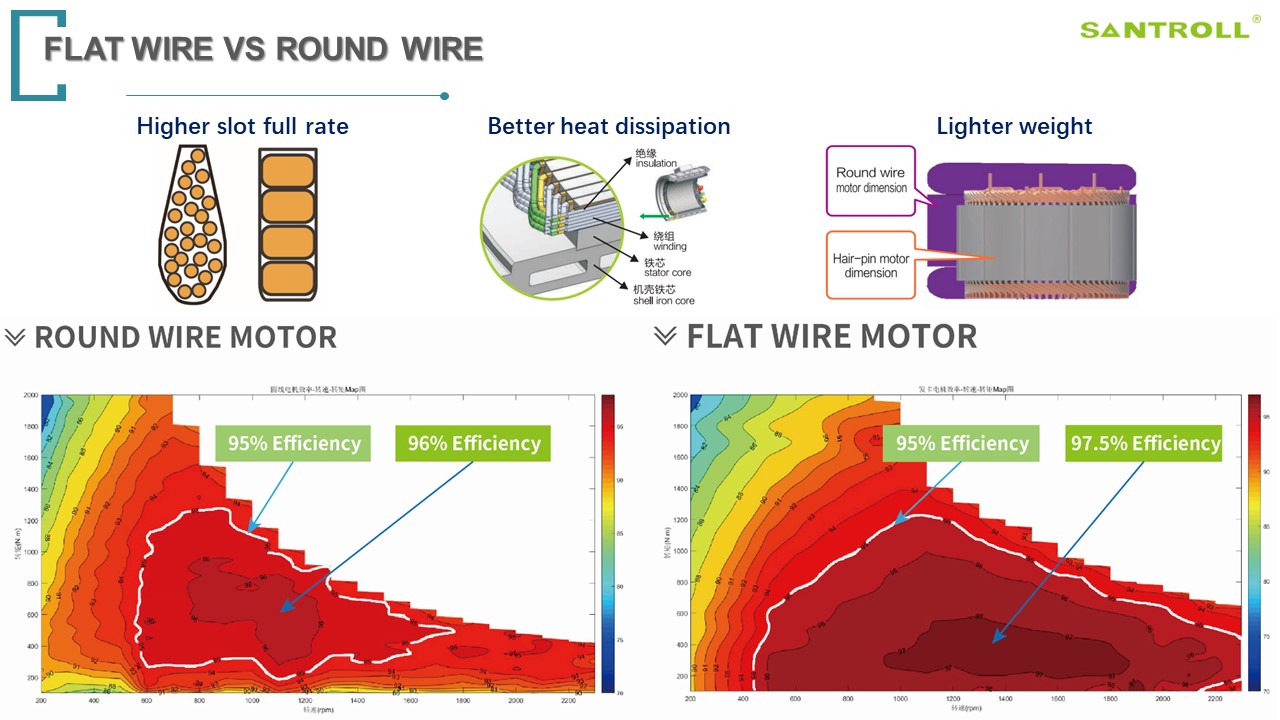
Moving forward, I recommend focusing on a few core principles that make the biggest difference. First, match the motor’s mechanical design (rotor inertia, stator slot layout) to the application’s speed and torque profile. Second, pick a controller that supports accurate commutation and has a margin on current and thermal rating. Third, use proper feedback — not always fancy, but reliable Hall or encoder signals are gold. For many projects, the shift to a brushless motor with a well-sized inverter reduces maintenance and improves controllability. I say this from hands-on work: the right pairing cuts energy use and downtime — and that feels rewarding.
What’s Next — practical steps?
Start small. Prototype with one matched motor and controller. Measure real load, not just estimates. Tune PWM frequency and check thermal performance. Don’t ignore simple tests: run a motor at duty cycles you expect in the field for hours — you’ll learn a lot. — funny how that works, right? Also, consider modern features like flux-weakening for extended speed range and sensorless startup if you want fewer parts. These are practical moves, not buzzwords.
Closing Advice: How I Would Evaluate Options
After walking through problems and possibilities, I’ll leave you with three clear metrics I personally use when choosing a solution: 1) Duty-match: does the torque-speed curve align with your real load profile? 2) Thermal headroom: can the driver and motor handle peak power without frequent derating? 3) Service simplicity: how easy is it to inspect and replace parts in the field? These metrics keep choices grounded. If you apply them, you’ll likely avoid the band-aid fixes I described earlier — and you’ll save time and money in the long run. I’ve seen modest investments here return quickly — and that surprised me at first — but now I plan for it every time. For practical supplies and matched units, I trust manufacturers who provide clear specs and support; you might start by checking offerings from Santroll.