
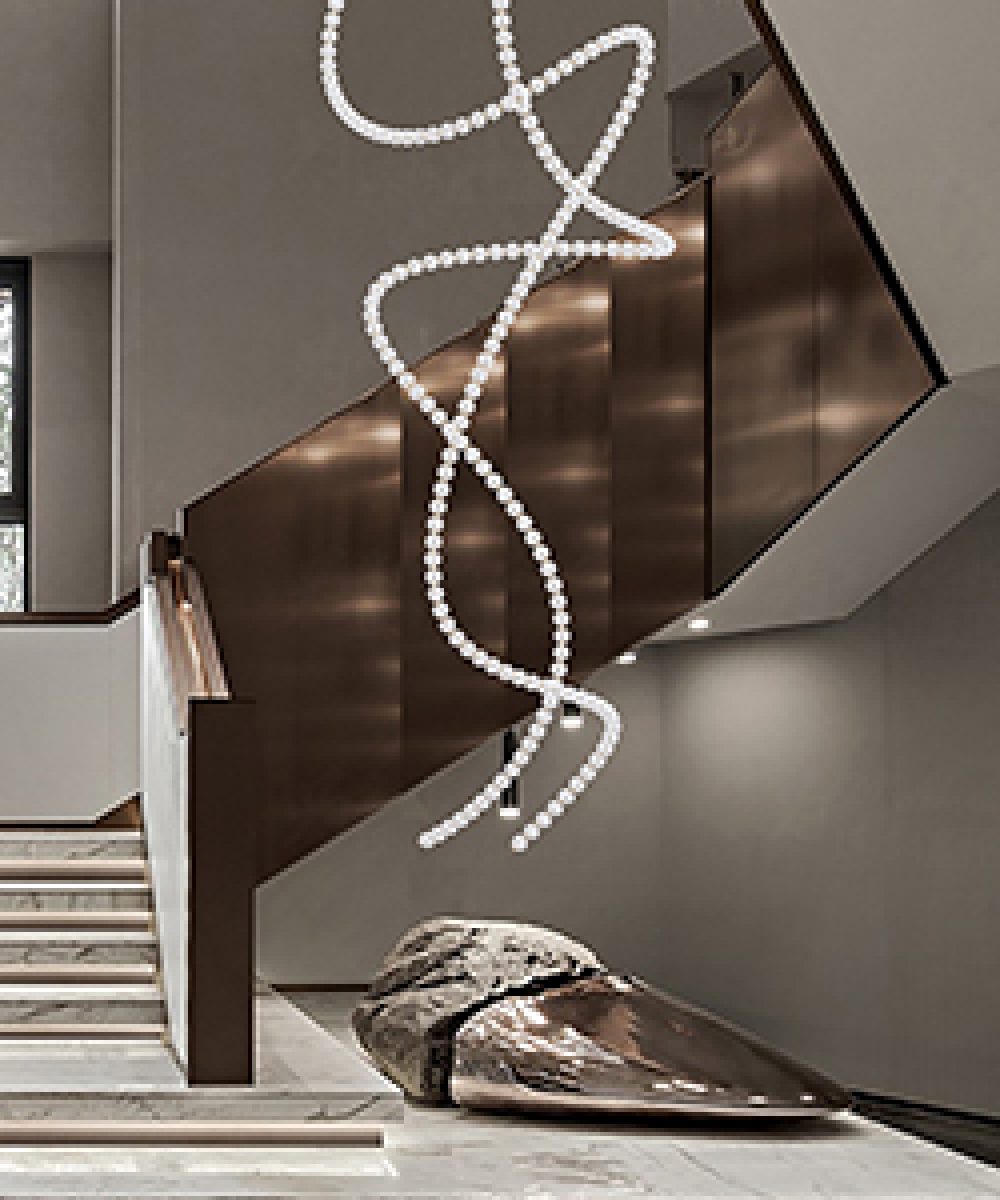
Introduction: The Scene, the Numbers, the Why
A lobby opens at dusk, and the new custom pendant light should feel like a welcome. A bespoke lighting company sees this play out nightly. Yet the glow looks cold, the height is off, and the room feels smaller than it is—awkward. Across fit-outs, lighting accounts for a surprising share of change orders and delays; small specs spiral when lumen output, color temperature, and beam angle don’t match the room. That costs time. It also steals mood. So why do so many projects look almost right, but not quite?
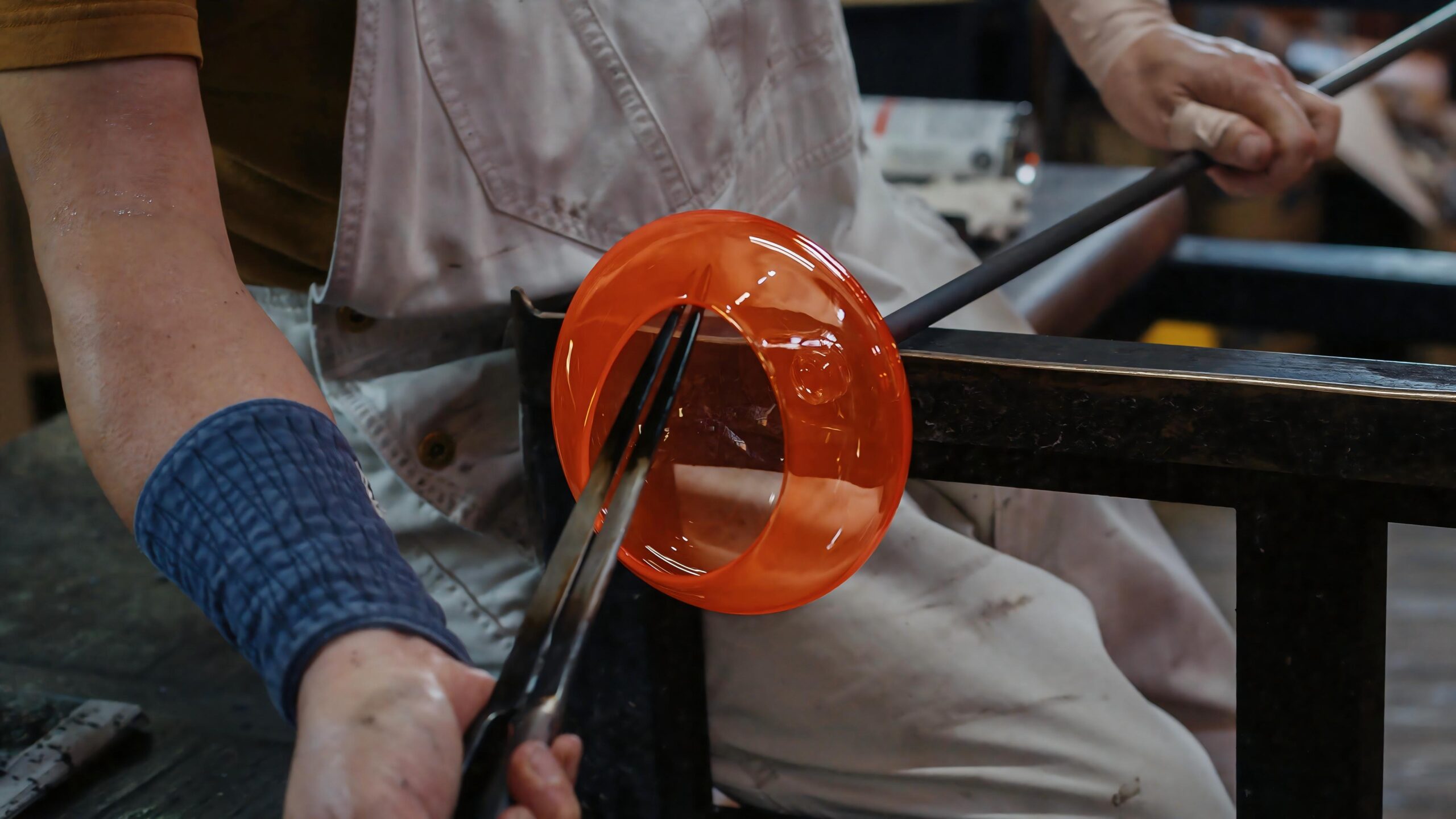
Here’s the twist: it’s rarely taste alone. It’s the wrong questions at the start, and the wrong tools at the end (mounting, drivers, site constraints). What if we compared what most teams do with what they actually need? Let’s move beyond the pretty picture and get practical—without losing soul. Onward to the deeper layer.
The Hidden Friction Behind “Custom” Choices
Why do standard fixtures miss the mark?
Let’s go technical for a moment. The pain is not only style. It’s mismatch. Ceilings change. HVAC shifts. Tables move by a foot. When that happens, a stock pendant with fixed beam angle and a rigid driver spec can glare or flatten a space. If CRI drops, colors of fabrics and food go dull. If PWM dimming is sloppy, cameras flicker and people notice—funny how that works, right? The heat sink may be too small, so the fixture runs hot and fades early. And yes, power converters tucked into tiny canopies cause noise and failures. Look, it’s simpler than you think: the details you can’t see are the ones that ruin the view.
Then there’s installation logic. Junction boxes aren’t centered. Slabs aren’t friendly. A heavy canopy without smart suspension will twist the cable. Meanwhile, procurement pushes “close enough,” but site tolerances are not forgiving. You wanted a soft pool of light over a bar; you got scallops on the wall and a shadowy center because the spread and height were never tested on-site. Add occupant needs—dimming for late-night service, a brighter lunchtime profile—and the wrong driver turns your plan into all-or-nothing. Good “custom” isn’t just a new shade; it’s a small system that fits reality: stable drivers, clean thermal paths, accurate CRI, and dimming that behaves in real rooms.
Comparative Outlook: Smarter Paths and Real-World Payoffs
What’s Next
Here’s a forward look, with a real-world angle. A boutique café swapped generic pendants for a set engineered to the room. The team mocked up heights, then tuned beam angle to avoid the tablet glare at two corner seats. They used modular driver trays for clean power and less heat. Finally, they chose a tunable white range to shift mood from warm mornings to crisp afternoons. Result: fewer hot spots, no flicker on phone video, and consistent color across the bar. This is the practical edge of bespoke lighting solutions: design choices tied to measurable behavior—on-site tests, stable dimming, and serviceable parts. Wait—didn’t we just say it’s about the unseen? Exactly, and that’s the point.
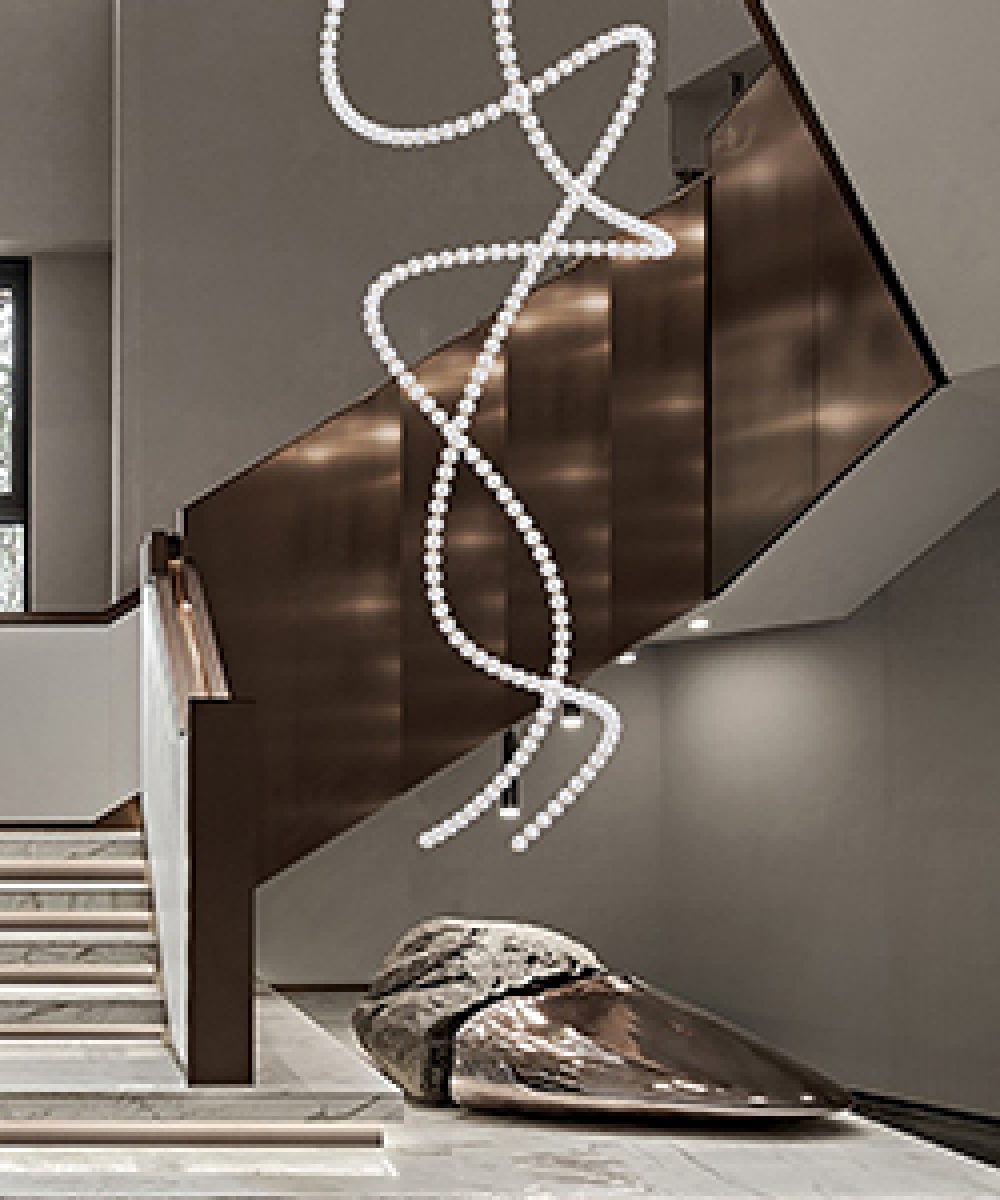
So, how do you decide your next move without guesswork? Use three simple metrics. 1) Photometric fit: verify beam angle, target lux, and CRI on a mockup or a render that matches your surfaces. 2) Control stability: dimming should be smooth at low levels with no PWM flicker; check driver compatibility with your control stack. 3) Thermal and service plan: heat path, access, and replaceable parts should be documented, not assumed. These aren’t extras; they are your insurance. Choose the pendant that behaves, not just the one that looks good in a catalog. That’s how a room reads right, every hour it’s open—every day. Learn the signals, and your spaces will speak for themselves. kinglong