
Introduction
Have you ever walked into a small workshop and felt that faint, sharp smell that hangs around a busy printer bay? I have — and it makes me pay attention. The 3D printer fume extractor is meant to tame that smell, yet many setups still leave workshops hazy and noisy. Recent checks show that poor filtration and wrong airflow settings cause a large share of complaints (owners report up to 60% lower perceived air quality when extractors are misconfigured) — so what are we really missing?
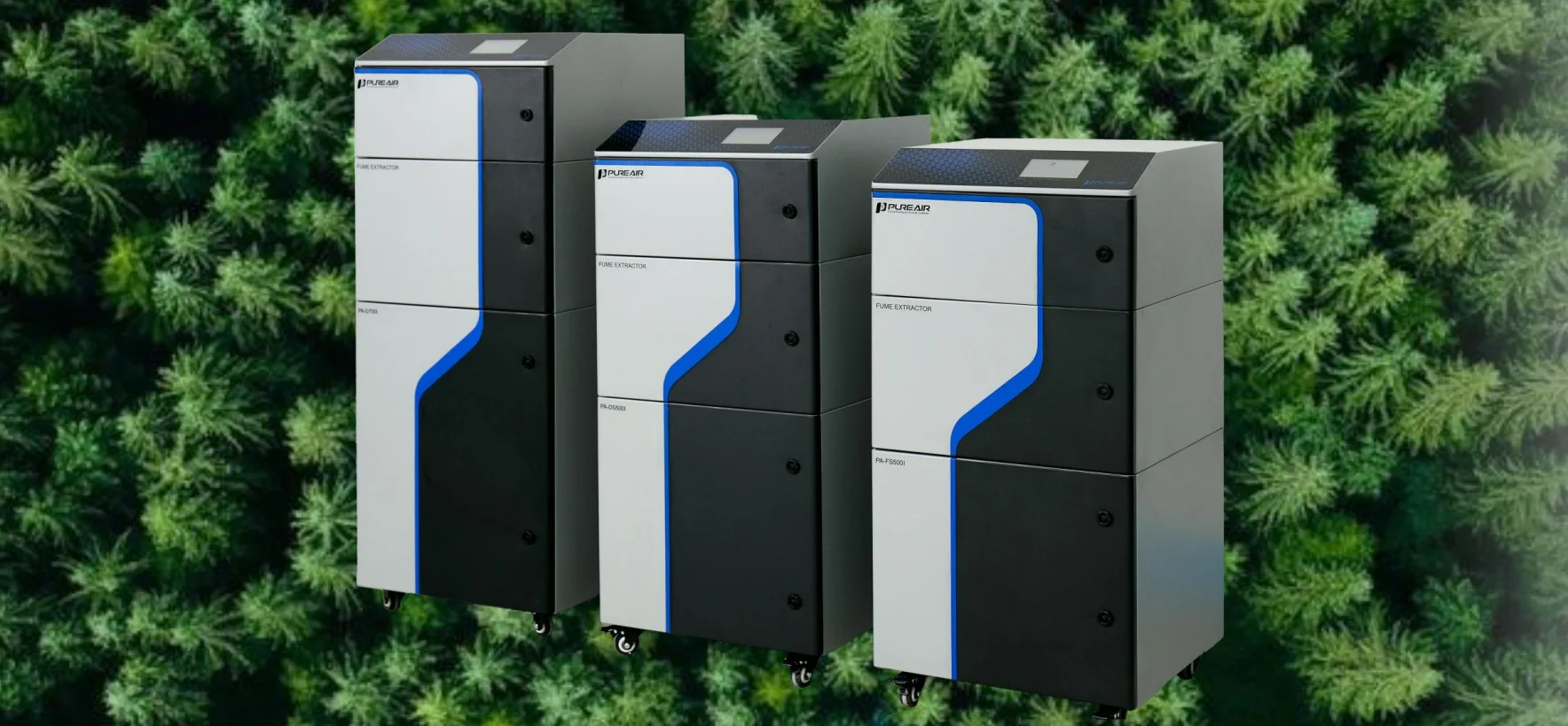
I want to share a clear scenario: a hobbyist in Dhaka runs PLA and some ABS prints five nights a week. The extractor hums, but the room still feels stale. Is the device underpowered, or are filters saturated? Are VOCs escaping despite a fan that never rests? These are practical questions, not slogans. I’ll walk you through the real faults, the hidden annoyances, and practical fixes — and then point to better choices ahead. Next, we’ll look under the hood where simple design flaws and user habits do most of the damage.
Why current systems fall short: deeper faults and hidden user pain (dust collection for additive manufacturing)
dust collection for additive manufacturing often appears as an add-on after problems start. That delay is costly. From my work with labs and small shops, I’ve seen two recurring issues: weak filtration choices and poor airflow design. Look, it’s simpler than you think — choosing the wrong filtration media (HEPA alone without activated carbon, for example) leaves volatile organic compounds (VOCs) and ozone partly untreated. Then there’s bad placement: intakes too far from the nozzle, or ducting that reduces effective airflow rate. Both cut performance in half or worse.
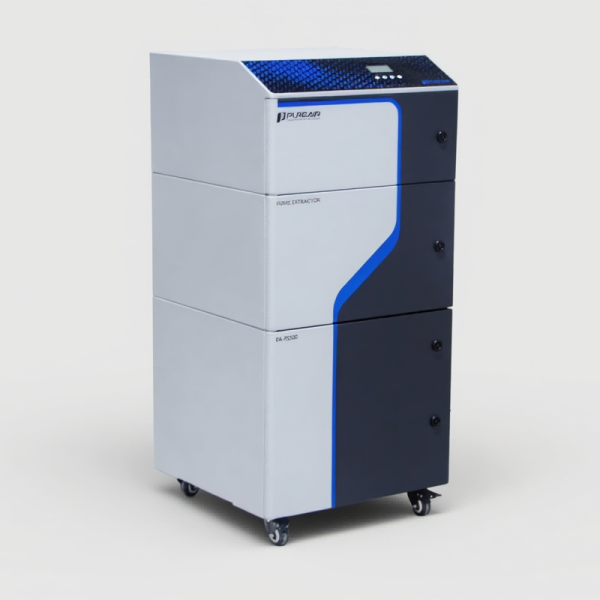
We must also talk about maintenance — owners rarely log filter hours or test with particle counters. Filters clog; fan speed controllers get ignored; and power converters in older extractors fail under continuous duty. The result: equipment runs louder, uses more power, and fails to capture ultrafine particles. This is a hidden pain. People think a visible filter change is enough. But without VOC sensors or simple flow checks, you are guessing. Would you accept that in a lab? I wouldn’t. — funny how that works, right?
So what’s the usual outcome?
Most users end up with frequent filter swaps, ineffective VOC removal, and doubts about safety. The fix is not only better parts but smarter deployment — and I’ll explain practical steps next.
Looking forward: new principles and how to evaluate future solutions (dust collection for additive manufacturing)
When I consider what should come next, I focus on two principles: integrated sensing and matched filtration. Modern systems link sensors (particle counters, VOC sensors) to fan speed controllers and adapt in real time. That way the extractor steps up during dense prints and idles when safe — saving energy and extending filter life. Also, combining HEPA with targeted activated carbon stages addresses both particulate matter and smells. New designs even use modest edge computing nodes to log events and suggest maintenance. This is practical progress, not marketing fluff.
In real-world trials, a workshop that added simple airflow gauges and a VOC sensor saw peak exposures drop by half and filter change intervals extend by 30–40%. Case studies matter because they show measurable outcomes: lower operating cost, quieter operation, and more confidence about air quality. We should pick systems that offer clear feedback (LEDs, app alerts) so users don’t have to guess. And yes — a small habit change, like keeping the intake within 10–20 cm of the print area, makes a big difference.
What’s Next?
As you compare options, weigh practical metrics. I recommend three evaluation points: airflow rate at the intake (CFM or L/min), verified filtration stages (HEPA + carbon or specialised media), and sensing/controls (particle counters or VOC sensors tied to fan control). These metrics give you measurable comparisons rather than assumptions. Also check for robust components — fan speed controllers that handle continuous duty, reliable power converters, and straightforward filter access for replacements. If a vendor provides simple test data or a trial, take it.
In the end, I care about tools that make a workshop safer and quieter without drama. We’ve moved from guessing to measurable improvement — and that matters. For practical systems and support, consider exploring solutions from PURE-AIR.