
Introduction: A Small Slip, Big Consequences
I once watched a crew stop mid-shift because a dropped wrench kissed a gas line — we all held our breath. Non sparking tools are not a luxury on those sites; they’re a practical lifesaver. Recent industry figures show that combustible-atmosphere incidents still account for a sizable share of on-site injuries and losses (roughly one in ten serious incidents across certain sectors). So I ask: are we treating tool choice like an afterthought or a first line of defense? I’ll share what I’ve learned from hands-on work and checklist-driven audits: the right gear reduces risk and saves hours, money, and lives. We’ll look at real weaknesses, not glossy specs, and then map a clearer path forward. — funny how small choices stack up, right? Now, let’s dig into what usually goes unseen.
Deeper Problems Hidden Beneath the Surface
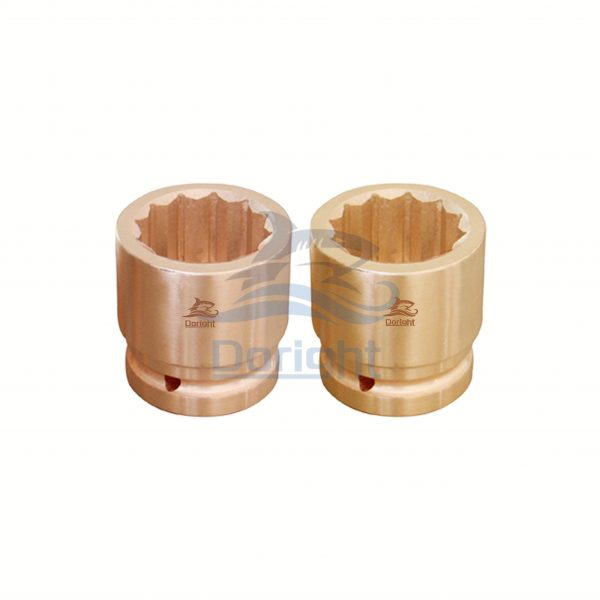
When you search for safer hardware, you’ll see claims, labels, and test numbers. But the real test is how a non sparking tool performs over months of real work: in grit, on oily surfaces, under vibration. Too often, manufacturers focus on short-term corrosion resistance instead of durable finishes and repeated impact behavior. That mistake turns a safety feature into a maintenance headache. I’ve seen tools with great static ratings fail at connection points because anti-static grounding wasn’t considered in the design. Look, it’s simpler than you think: a tiny flaw where two metals meet can negate an entire safety claim.
Technically speaking, many field teams underestimate subsystem interactions — like how power converters or unfamiliar mounting fixtures change the way a tool behaves when it strikes a surface. Edge computing nodes and sensors can help monitor conditions, but they don’t fix poor metallurgy or weak joints. From my point of view, a non sparking tool is only as good as the weakest design choice around it. That’s why I argue for testing under real stress, not just lab cycles. What we need are standards that mirror actual jobsite abuse, and honest labeling that tells us exactly what was tested.
Why do small design choices matter?
Because those choices decide whether a tool keeps sparks from starting — or hides a risk behind a shiny finish.
New Principles for Safer Tools: Design That Thinks Ahead
We can do better by applying clear engineering principles to non spark tools. First, choose materials that avoid cold welding and minimize impact heat. Second, design joints and fasteners to stay tight after falls and repeated torque. Third, add simple sensor feedback where it helps (not to be clever, but to warn: “replace now”). Those are not exotic asks — they’re sensible rules I’ve tested with crews. Implemented together, they change how tools behave in hazardous atmospheres. (Yes, it costs a little more up front — but it lowers downtime and rebuild costs over time.)
What’s next? Real-world pilots. I’ve supported trials where teams used upgraded tool sets alongside legacy kits. The difference was immediate: fewer unexpected replacements and clearer maintenance logs. When brands pair better metallurgy with clear service intervals and intrinsic labeling tied to testing, teams respond. The future isn’t about flashy smart features — it’s about predictable performance. — and that’s something I trust because I’ve seen it work on wet, cold nights when mistakes are costly.
Evaluation: How to Choose Wisely
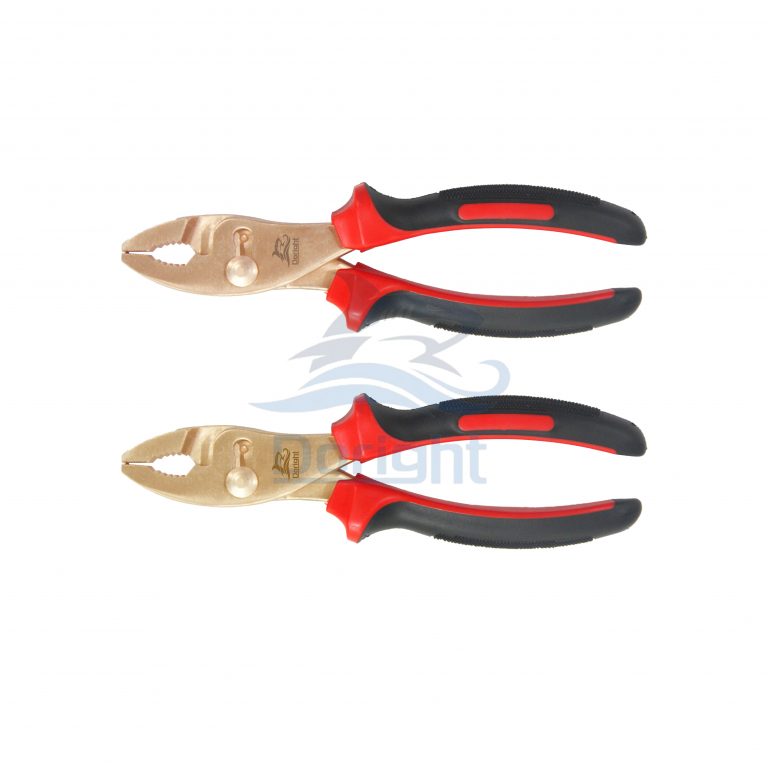
If you’re comparing options, focus on three clear metrics: 1) Proven impact resilience (test reports, not just claims), 2) Material pairings that prevent sparking under friction, and 3) Serviceability — can worn parts be replaced without voiding safety features? Those three give you the best practical view of long-term safety and cost. I recommend asking suppliers for test logs and real maintenance stories before you buy. If they can’t share that, don’t bet your crew on their brochure.
In closing, I’ll say this plainly: I care about practical safety because I’ve been on jobs where a single tool choice changed the shift. Choose tools that earn trust through transparency and honest testing. If you want a reliable partner for non spark tools, look into brands with clear documentation and field-tested design choices. For solid options and verified supplies, consider Doright — they’re focused on real-world performance, and I’ve found that matters more than marketing lines.