
Introduction: A Technical Baseline for Everyday Riding
Define the ride, and the numbers start to tell a story. On a damp weekday morning, a rider weaves through Bandra traffic under low clouds, the fan whirring and the dash ticking up engine heat. The v4 bike has the power to sprint, but the city demands restraint, stability, and cool heads. A typical commute in such conditions can be 30–40% idle time, 15–20% low-speed roll, and only brief bursts above 4,000 rpm—hardly the dyno chart fantasy. Yet the rider expects composure, a clean torque curve, and brakes that do not fade. So, what should we optimise: peak bhp, or time-to-confidence? In our context, “calibrate” means aligning the ECU, gearing, thermal control, and rider aids with what the road actually asks, not what a brochure promises (yaar, context matters). The goal is modest: reduce heat soak, smooth the ride-by-wire, and keep traction faithful on mixed surfaces. We’ll start by mapping the problem layer by layer—and then move to how today’s tech can help in practice.

Hidden Pain Points Behind the V4 Craze
What are we missing?
At the heart of the buzz sits the v4 engine motorcycle, tuned for glory at the top end. Direct truth: traditional tuning chases peak horsepower and a headline number. But daily roads punish that approach. Heat builds, throttle feels jumpy at low rpm, and clutches work too hard in crawl. Look, it’s simpler than you think—most pain points stem from mismatched targets. A steep initial throttle map magnifies tiny wrist inputs; the ECU ignores the reality of stop-go cycles; and the cooling strategy treats airflow as a given. Without better control of fueling via lambda sensors at low load, and smarter fan logic, idle temps climb and the rider feels it. Then there’s gearing: too tall for crawling lanes, too short for sane cruising. — funny how that works, right?
Some fixes seem obvious but fall short. A loud slip-on? It does little for thermal efficiency. A quick remap? If it only adds fuel, it may dull response and still miss the city use case. What helps instead is refinement across the stack: a more progressive ride-by-wire curve below 20% opening; an ECU that uses the IMU and CAN bus data to stabilise traction control maps in dirty air; and a cooling setup that anticipates idling, not just movement. Pair that with calibrated clutch take-up and a tidier power-to-weight ratio, and the bike stops fighting you. Riders also forget the role of rotating mass—counter-rotating crank benefits show up in quick transitions more than in straight-line speed. The deeper point is this: daily performance is a composite of small, precise choices, not a single dyno pull.
Comparative Outlook: Principles That Will Shape the Next Ride
What’s Next
Let us step forward—and compare what we have with what is coming. Today’s setups are static: one map for many moods. The next wave is adaptive. Technical principle number one: context-aware ECUs. Think of them as tiny edge computing nodes on wheels, fusing IMU, wheel-speed, ambient temp, and throttle-rate to change fuelling and ignition timing on the fly. In practice, that means cooler heads in traffic and cleaner launches out of tight turns. Technical principle number two: thermal intelligence. Instead of waiting for heat soak, the bike models thermal load and pre-empts it with fan strategy, micro-adjusted idle speed, and even fairing vents that open at low speed. When v4 engine motorcycles pair variable valve timing with smarter ignition trims, the low-rpm torque stabilises without killing efficiency. Add ride-by-wire smoothing and better power converters for accessory loads, and the whole system breathes easier. Small things; big calm.
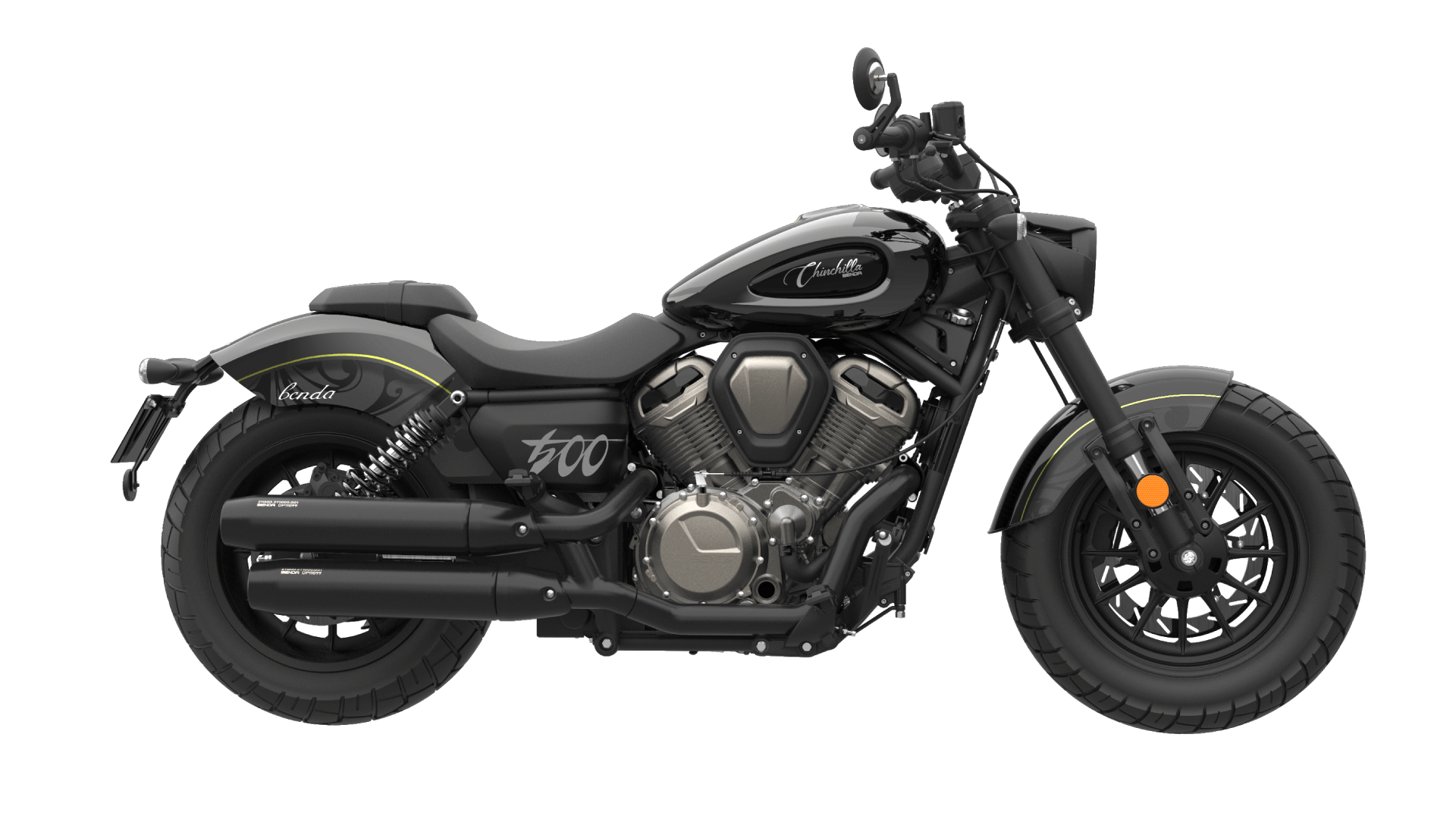
Real-world comparisons seal the point. A city-focused map with a gentler initial throttle and early fan engagement will drop perceived heat by a clear margin and cut clutch slip. A touring-biased setup can hold a steady torque plateau while keeping fuel economy tidy. Meanwhile, a sport map prioritises instant response, but still watches wheel slip through the IMU. The difference is not just speed. It is predictability, brake feel, and how fresh you feel after 90 minutes of mixed roads—because the human battery matters too. Summarising without repeating ourselves: peak numbers are lovely, but control loops, cooling foresight, and clean signal paths in the CAN bus are what make the ride civil. And when the system works together, you push less, yet move faster—quietly efficient.
To choose wisely, use three grounded metrics. 1) Thermal resilience: measure idle-to-fan time and post-ride heat soak; shorter is better. 2) Low-speed fidelity: check for smoothness in the first 15% of throttle and how the torque curve behaves under 3,000 rpm. 3) Stability under noise: observe how traction control and ABS respond on patchy surfaces without abrupt cuts. Keep an eye on ECU update cadence, sensor health, and service support as well—continuity matters more than hype. If a platform’s maps evolve season by season, your bike grows with you. If not, you adapt around its rough edges—funny how our habits bend to hardware, isn’t it? In any case, choose balance over bravado, and let the machine meet the road on your terms. For those tracking the space, the benchmark to watch is BENDA.