
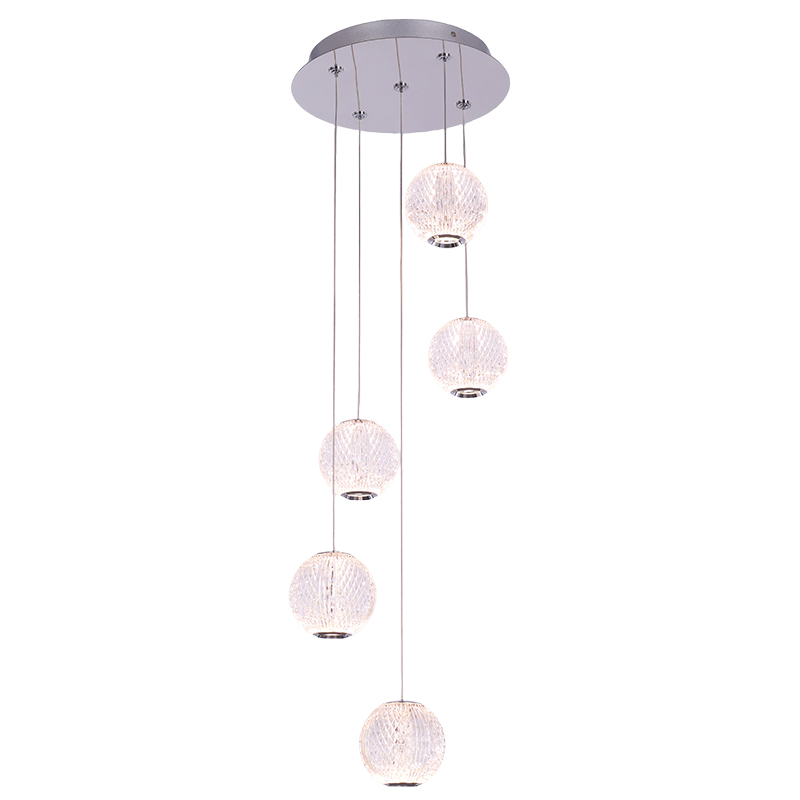
A small scene, a big lesson: why acrylic pendants miss the mark
I walked into a café redo last week—bright new paint, dull lighting. The pendant light supplier had delivered on time, but the glow felt flat and a bit harsh. The fixtures were acrylic pendant lights, and on paper they looked great. Yet a few data points kept poking me: in many rollouts, over 30% of post-install tweaks come from dimming issues or poor color balance, and returns spike when glare isn’t controlled. So, was it the product or the plan? (Maybe both.) The café owner wanted warm, even light over tables, not hotspots or flicker. But cheap drivers, a thin optical diffuser, and the wrong mounting height made that hard. CRI looked okay, but skin tones felt off. Funny how a tiny detail like beam angle makes a room feel cold—then your latte looks gray.
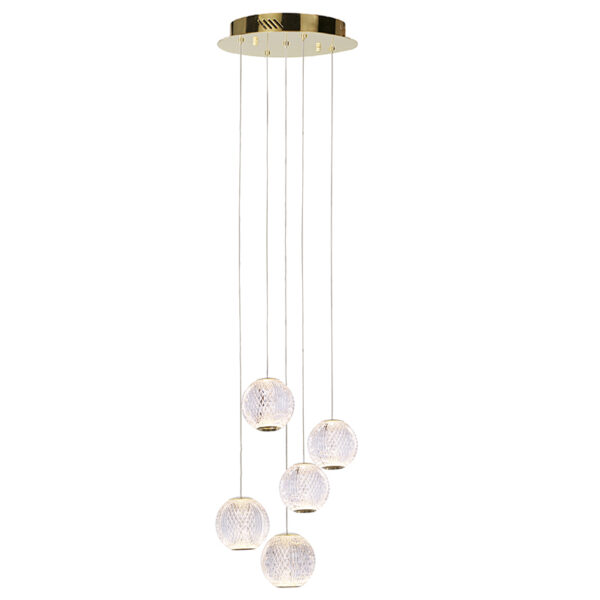
Here’s the question that matters: if acrylic pendants are so popular, why do they break the vibe so often? Look, I’m not blaming the material. The usual suspects are elsewhere—constant-current drivers that don’t match the dimmer, sloppy thermal management around the LED board, and a diffuser spec that scatters light the wrong way. In short, it’s the system, not just the shade. Let’s unpack the real blockers and see how to fix them fast, without blowing up your budget or your timeline. Onward to the root causes.
Hidden pain points that hold acrylic pendants back
Where do these fixtures actually fail?
Let’s get technical. The first pain point is driver compatibility. Many acrylic pendants ship with basic power converters that hate mixed control setups. If your site runs TRIAC in the dining zone and 0–10V near the bar, cheap drivers cause shimmer or dead zones. PWM dimming can also clash with older wall plates, which boosts flicker at low levels. Second, diffuser quality varies a lot. A thin, untreated acrylic sheet lifts glare and throws a narrow beam angle, so your table gets a bright ring and your menus sit in shadow. Third, heat. Acrylic tolerates less heat than glass, and weak thermal management drives lumen depreciation faster than you expect—funny how that works, right?
Now the sneaky part. Spec sheets often list lumens but skip real-world photometrics. Without candela curves, you guess at distribution. That’s how you end up with “pretty” but uneven light. Also, the CRI number alone is not enough; R9 tells you about reds, so skin and food look right. Look, it’s simpler than you think: ask for constant-current drivers with clear dimming ranges, check the diffuser’s haze percentage, and verify power factor above 0.9. Even mounting height matters. An extra 10 cm can kill reflected glare on glossy tables. Small choices, big payoff.
Comparative insight: new principles that raise the bar
What’s next
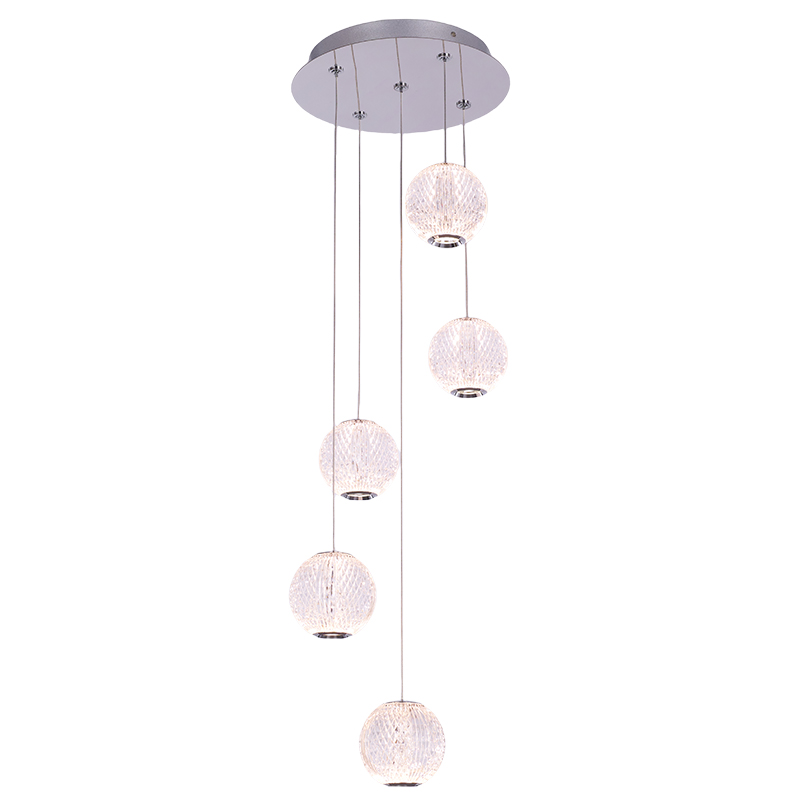
Here’s a forward look, with a practical twist. Newer pendants pair tuned light guide plates with micro-etch diffusers. That spreads light evenly while cutting peak candela, so your tables feel calm, not blasted. Smart drivers now auto-detect control protocols and hold stable output across the dimming curve. In busy venues, edge computing nodes can sit near panels to manage scenes locally—no lag, fewer calls. Compare that to legacy builds where the “fix” was adding more fixtures to hide hot spots. The better path is better optics and cleaner control, not more metal in the ceiling. If you’re eyeing a modern round pendant light, look for sealed LED modules, high CRI with strong R9, and a diffuser that balances haze and transmission. It sounds fancy, but it’s just good engineering—and yes, it’s avoidable when specs go vague.
Let’s tie it back and make it usable. We talked about drivers, diffusion, and heat. Now, pick with intent. Use these three checks when you evaluate any acrylic pendant or supplier solution: 1) Photometrics and distribution: request IES files and confirm beam spread meets your layout (not just lumens on paper). 2) Electrical quality: constant-current driver, low THD, high power factor, and documented compatibility with TRIAC or 0–10V; ask about PWM frequency to keep flicker down. 3) Material and life: diffuser haze spec, UV stability, and a thermal path that protects the LED for solid lumen maintenance. Do that and your space will read warm, even, and calm—without guesswork. When you need a reference point or deeper cut sheets, you can always review options at kinglong.