
The New Bottleneck at Check‑In
The hotel parking lot is the new choke point of travel. Guests glide in late, lights cold and blue, and the quiet hum hides a harder truth: every plug is a tiny grid event. With hotels EV charging stations, the lobby welcome now shares a wall with power math. EV sales passed tens of millions worldwide, and even a small hotel can see peak demand spike 20–40% when a few cars connect at once. Load balancing helps. Peak shaving helps. Yet power converters still strain, and the breaker panel waits like a fuse in a storm. Will the network hold when every stall is full?

We know the pattern. The first car charges fast. The second slows it down. The fifth tips the system into alarms, and staff scramble. Guests frown. The grid creaks. Is this the future of hospitality, or a warning shot? Data says EV nights are rising faster than new capacity. Apps time out. Queues form. Damage claims grow. (And the cameras miss it.) So the question is simple: how do you make the charge as calm as the pillow? Let’s step into the core trade-offs—before the rush becomes routine.
Hidden Friction Behind the Plug
Where do guests actually get stuck?
This is not just a cable and a card. It is a stack: hardware, firmware, network, payments, and property ops. When one layer hiccups, the guest feels it. First pain point: session start. Many stations need an app, a slow QR, or an RFID that is out of sync. A 10-second delay becomes a 3-minute stand-off—funny how that works, right? Next, load sharing. Without dynamic load management, two late arrivals can trigger overcurrent protection, tripping a circuit and darkening half a row. Then billing. Splitting energy costs between room folio and public use sounds easy. Until it meets shift change. Reconciliation lags. Refunds linger. Guests leave.
There is more. Some chargers do not speak the same language as the site system. OCPP versions mismatch. Firmware updates slip. A device bricks at midnight. And no one has the key. Power factor correction is ignored, so utility fees jump. Demand charges hit. The general manager learns about the grid the hard way. Look, it’s simpler than you think: the friction hides in small steps. Bad wayfinding. Weak Wi‑Fi at the pole. ADA clearance not checked. One rainy night later, the review hurts more than the invoice. Fix the stack, and the mood shifts. Leave it, and even a free session feels slow.
Next‑Gen Methods, Real Trade‑offs
What’s Next
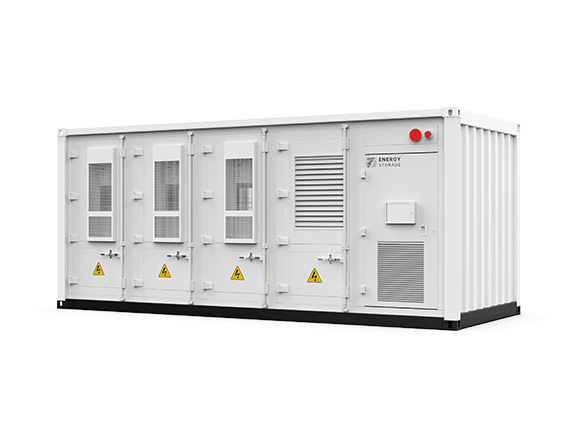
Here is the comparative lens. Old playbooks say “add circuits.” The new path says “add control.” Sites now use edge computing nodes to keep sessions stable even when the cloud wobbles. ISO 15118 enables Plug & Charge, cutting start time to a few heartbeats. Smart meters feed live tariffs into the plan, so the system shapes load in minutes, not months. With EV charging stations for hotels, dynamic pricing and demand response can shave peaks without touching comfort. Pair that with a small battery on site, and your panel stops living at the edge. Compare: more copper buys raw capacity; smarter orchestration buys uptime, faster starts, and lower bills. Different roads, same goal—quiet nights.
Standards matter too. OCPP 2.0.1 gives better session data and remote control. That means faster fixes and clean audits. Edge rules can throttle by room tier, event block, or time of night (fairness without drama). Add over-the-air updates, and you patch at 3 a.m., not 3 p.m. Solar helps at noon; storage helps at 10 p.m.; together they cut the worst peaks. And if you look ahead, bidirectional chargers can back the site during brief spikes—no, not every day, but enough to count. Advisory close: judge any roadmap by three simple metrics. One, uptime above 99.5% with clear SLAs and rollback plans. Two, total cost per delivered kWh, all-in, including demand charges and maintenance. Three, guest effort to start a charge, measured in seconds and taps—aim for under 20 seconds and two actions, end to end. Do this, and the charge fades into the stay—just another amenity that works, and keeps working. Boring, on purpose—and no, it’s not magic.

For steady guidance grounded in practice, see EVB.