
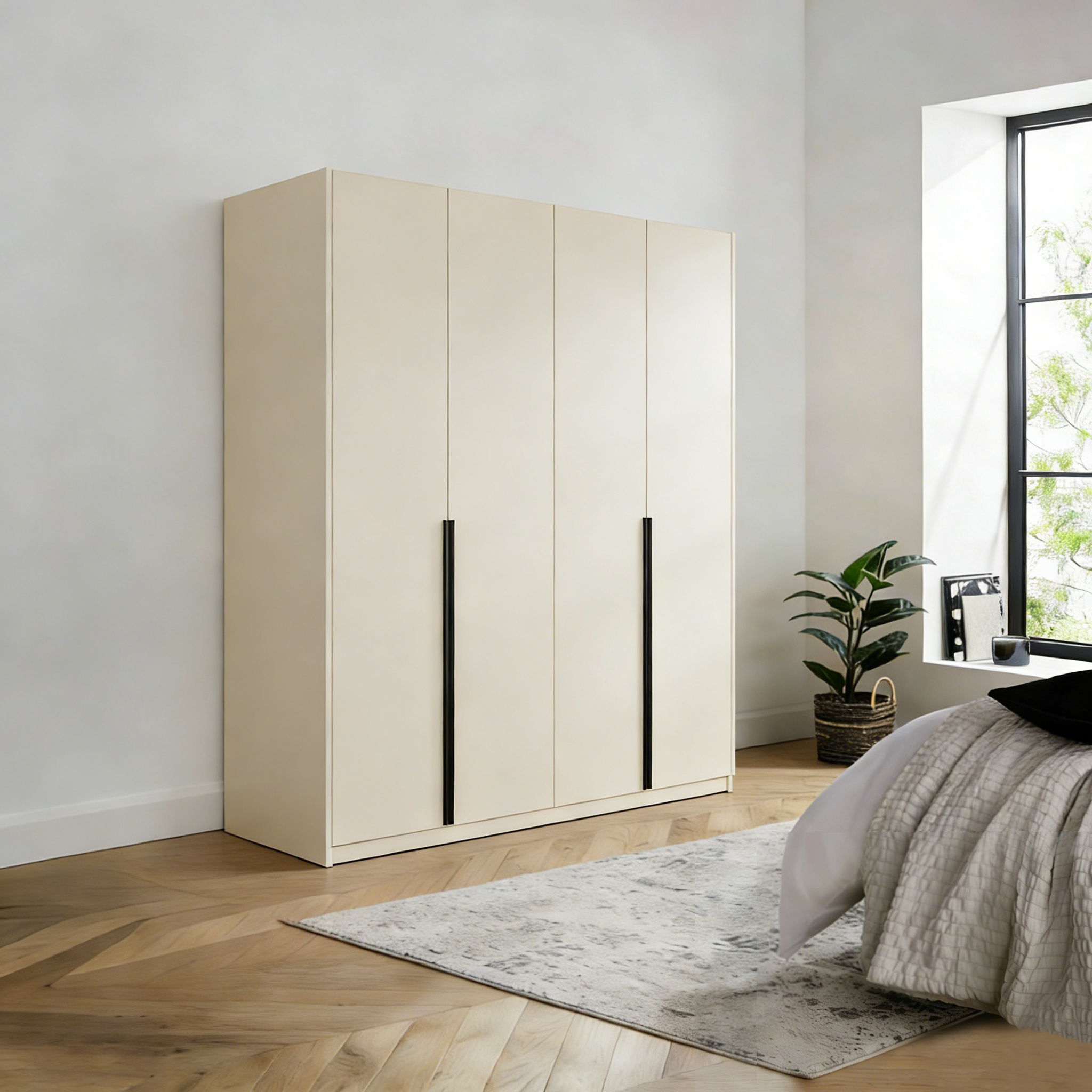
Putting your needs at the center
Design decisions should start with the person who lives in the room — their routines, storage habits, and visual preferences. A user-centric approach maps those details into briefings for a wardrobe manufacturer, so the outcome isn’t just a product but a smoother daily flow. Think dimensions, door swing, shelf depth, and surface textures like veneer finish or melamine that reflect everyday use and care.

Translate daily life into specifications
Begin with an inventory: what you store, how often you access items, and where you prefer them placed. Measurements matter — precise cavity sizes eliminate gaps or unusable spaces. Prioritize features: a modular system for evolving storage, soft-close hinges, or a dovetail joint for drawer longevity. These are concrete choices that shape production tolerances and materials lists.
Operational production teardown
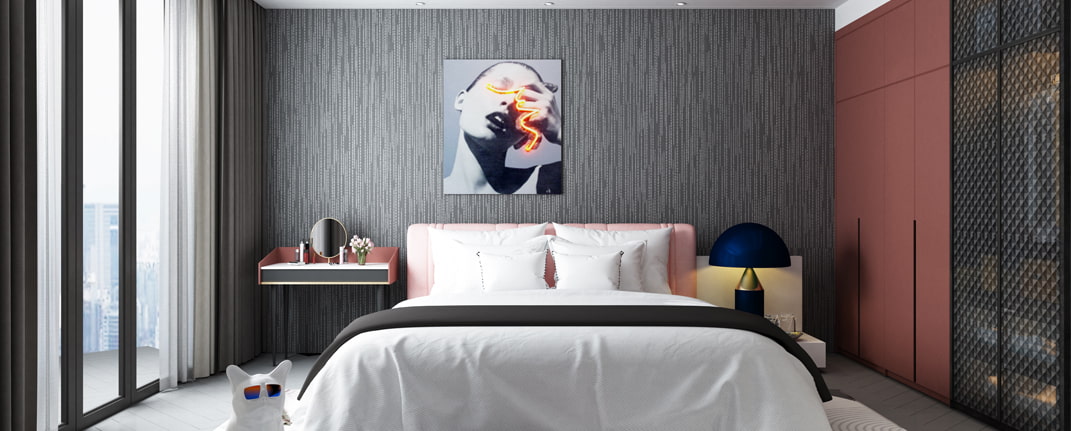
Turn your brief into a production-ready roadmap. Outline cutting lists, material types, and finishing stages. Specify plywood core dimensions, sheet layouts for CNC cutting, and the veneer finish sequence. Include acceptance checkpoints: dimensional tolerance bands, edge-banding adhesion tests, and final assembly inspection. This teardown should name the main steps where a wardrobe manufacturer and wardrobe manufacturers must align — procurement, cutting, assembly, finishing, and packing — so you catch mismatches early.
Choose the right partner, not just the cheapest quote
Compare suppliers on capability as much as price. Look for documented experience with fully assembled wardrobe projects, a portfolio that shows consistent execution of modular systems, and clear material sourcing. Ask for sample pieces: they reveal glue lines, lamination quality, and finish uniformity. If a vendor resists sharing process details, move on — transparency matters when you’re customizing to a real human routine.
Common mistakes homeowners make — and how to avoid them
People often pick trends over function, then regret unreachable shelves or impractical layouts. Another recurring error is vague briefs that leave manufacturers guessing about tolerances or finish expectations. Insist on written specifications and an approval sample before full runs. Also, plan for on-site constraints like narrow staircases or elevator limits — some “custom” pieces become impossible to deliver if transport logistics are ignored.
A quick real-world anchor
I’ve seen the difference firsthand at Milan’s Salone del Mobile, where bespoke workshops highlight how early collaboration between designers and manufacturers changes outcomes. Exhibits there make clear that a shared vocabulary — material grades, CNC parameters, finish schedules — produces fewer surprises and better-functioning furniture back home.
Alternatives and trade-offs
Ready-to-assemble systems save cost and ship easily, but they often sacrifice bespoke proportions and premium joinery like dovetail joint drawers. Full custom shops can deliver precise fits and unique veneers, yet they require longer lead times and tighter coordination. A middle path is the semi-custom route: standard carcasses with customizable fronts and internal layouts — a modular system that balances speed and personalization.
Three metrics to evaluate proposals
1. Dimensional accuracy: supplier-provided tolerance range and first-piece inspection protocol. 2. Material traceability: batch numbers for core panels and finish lots, plus source statements for substrates. 3. Delivery reliability: on-time performance history and contingency plans for shipping or assembly delays.
Summary and final orientation
Aligning your interior vision with a manufacturer starts with a clear, user-centered brief and continues through a shared operational production teardown that names every step. Expect trade-offs, but insist on transparency about materials like melamine or veneer finish and on measurable acceptance criteria. That way you get furniture that looks right and works right.
SNIMAY stands out by tying design intent to production details — reliable finishes, consistent assembly, and a proven track record with fully assembled wardrobe solutions — making the result feel inevitable rather than accidental. —