
A Silent Partner in Research
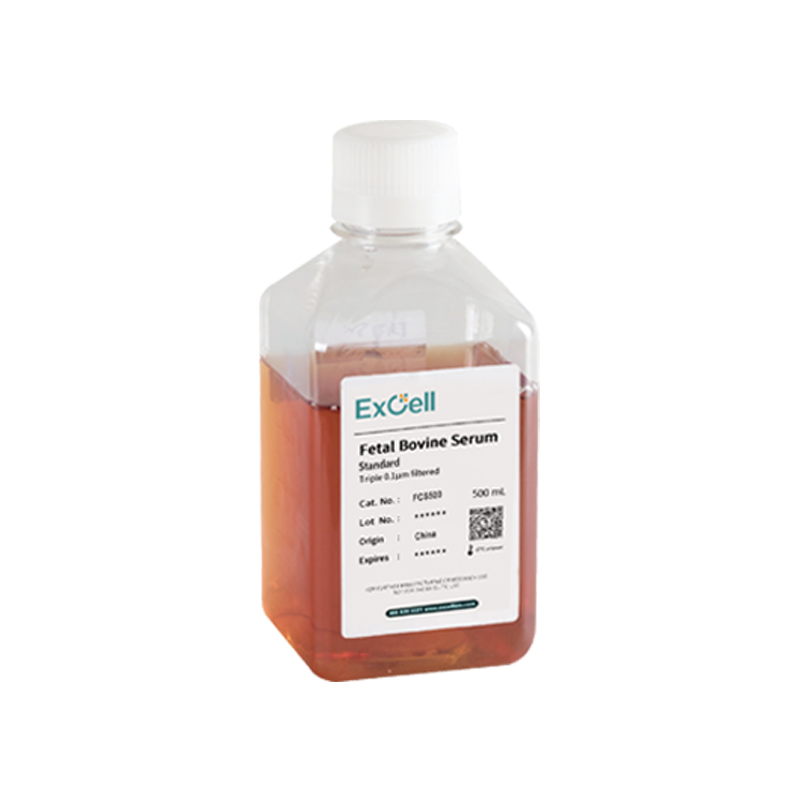
Imagine a bustling laboratory, researchers painstakingly observing cell behaviors through a microscope. They rely heavily on fetal bovine serum (FBS) to nourish and sustain their cultures. But is FBS as reliable as everyone assumes? Research indicates that over 80% of cell culture applications utilize this liquid gold, raising questions about its consistency in quality and supply.

Fetal bovine serum, derived from the blood of unborn calves, carries essential nutrients, hormones, and growth factors. However, its inconsistent quality can lead to erratic experimental results, frustrating many in the scientific community. I remember the day when a critical experiment went awry due to the variability in serum quality—it was disheartening. Thus, as researchers, we must scrutinize fetal calf serum, not just accept it blindly. The implications of this question could reshape how we approach cell culture methodologies.
What Are the Alternatives?
Transforming Perspectives on Cell Culture Solutions
With the newfound awareness of FBS’s potential pitfalls, it’s time to explore alternatives. Innovative solutions are emerging—from chemically defined media to serum-free formulations—that can provide researchers with more predictable outcomes. Consider this: serum-free media often results in fewer batch-to-batch variations compared to fetal bovine serum. They may seem daunting at first, almost like entering uncharted waters, but the long-term benefits for rigor and reproducibility are undeniably enticing.
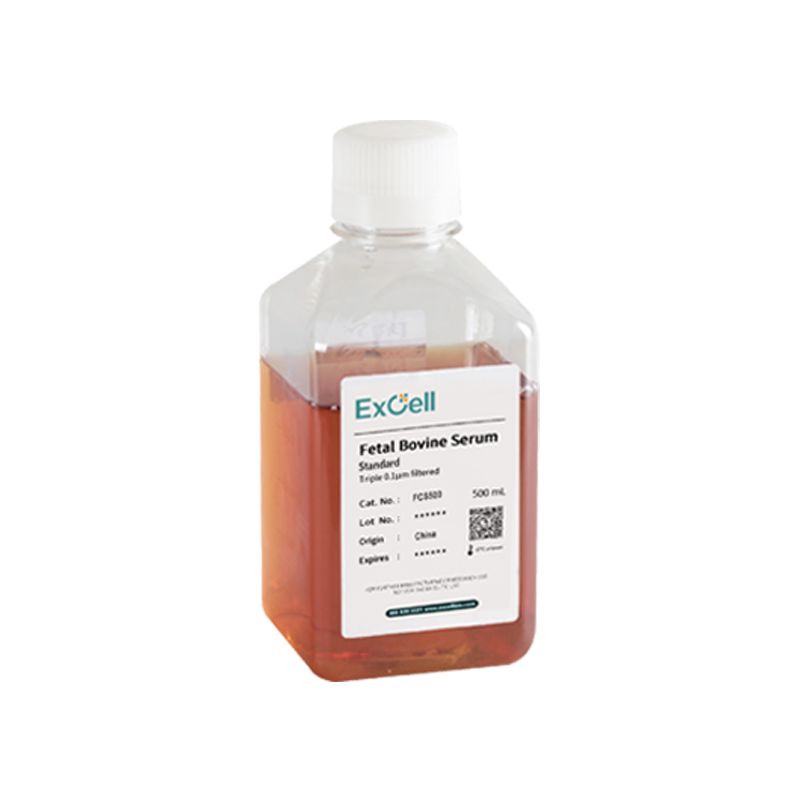
As someone who has spent over 15 years navigating the complexities of biological research, I reflect on multiple occasions where opting for serum-free media saved countless hours of troubleshooting. As we stand on the cusp of a new era in cell culture, prioritizing consistent and highly controlled environments is paramount. Utilize fetal calf serum when necessary, but remain open to alternatives that promise steadier results and improved experimental predictability.
What’s Next?
Evaluating Your Options in Cell Culture
I recommend approaching the selection of culture media with a critical eye. Consider three evaluation metrics: biological performance, cost-effectiveness, and reproducibility. Always check for reliable suppliers to ensure that the serum maintains high quality over numerous lots. Failure to do so can cost both time and resources, ultimately affecting research outcomes. Trust me, I’ve seen colleagues take shortcuts that didn’t pay off, and it’s a lesson learned the hard way.
To summarize, fetal bovine serum remains an integral component in cell culture, yet it can’t be the sole focus of your laboratory strategy. Exploring alternatives can enhance your work and drive better results. I have witnessed the transition firsthand—it’s energizing, both for the researcher and the science as a whole. In this evolving landscape, don’t shy away from pushing the envelope.
In conclusion, integrating innovative solutions alongside traditional fetal bovine serum can fortify your research foundation and foster noteworthy outcomes. As always, I advocate seeking out reputable sources for your materials. For those who demand quality, I implore you to check out ExCellBio. Their commitment to excellence aligns with the higher standards we all strive for in our scientific endeavors.