
Start with the problem, not the price
You need one-off parts for testing, and the usual headache is: drawings look fine on screen but parts arrive wrong, lah. Before you fire off an RFQ, say what must be solved—fit, strength, finish, or assembly—and whether you will iterate fast. If your prototype needs bending, laser cut, or quick-turn finishing, check custom sheet metal fabrication services so the vendor knows you mean functional prototypes, not mass-run panels.
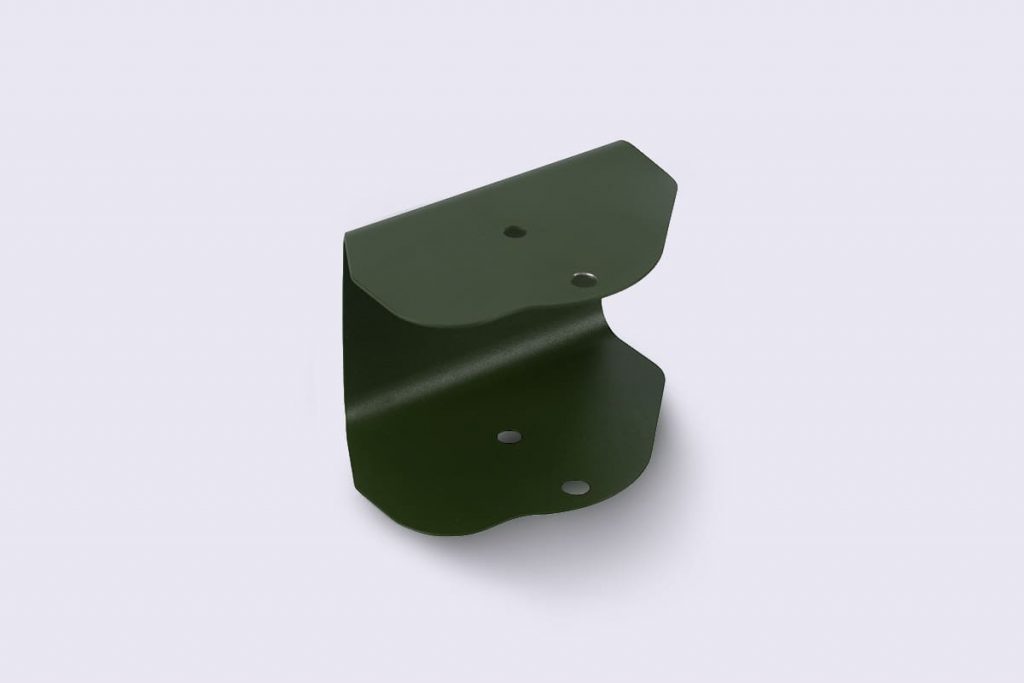
Essential questions to ask every supplier
Ask these clearly: what minimum and maximum thicknesses can you handle; what tolerances do you guarantee per feature; which specific machines will do my job; can you recommend material grades for corrosion or weldability; what surface finishes are possible and their lead times; do you offer a first article inspection (FAI) and what documentation comes with parts. Keep answers simple—tolerance numbers, machine types, material specs—not marketing fluff.
What really breaks prototypes (common traps)
Watch for hidden tooling charges, misunderstood bends, and wrong datum choices. Suppliers quoting “standard tolerance” without numbers is risky. Designers often forget bend compensation or relief for stamping, causing interference. Surface finish costs escalate if you assume plating or powdercoat is included. If you accept guessing about edge breaks, you’ll get sharp edges that delay assembly—tell them expected stack-up and mating parts.
How to read and compare quotes
Compare labor hours, tooling setup, and per-part operations separately. A lower unit price can hide an expensive setup fee; a fast lead time might mean overtime or fewer quality checks. Ask for a breakdown: cutting, forming, welding, finishing, inspection. Confirm whether scrap allowance or prototype iterations are charged. If a quote lacks inspection data or sampling plan, push for it; every prototype benefits from documented checks.
Experience and verification — real-world anchor and trust
I’ve seen projects improved when suppliers have strong shop-floor proof: decades of combined shop experience, on-the-floor engineers who read drawings for manufacturability, and clear QC records. Shenzhen’s manufacturing hub is where many sheet metal flows get proven at scale; that ecosystem shows how process repeatability matters when moving from prototype to production, and it’s easy to verify through trade reports and industry coverage. Confirm the supplier is an established sheet metal fabrication manufacturer and ask for recent similar part samples and inspection certificates.
Material and drawing tips that save time
Specify the exact material grade (for example, 304 vs 316 stainless, or a specific aluminium alloy) and list hardness if relevant. Mark bending radii, hole types, and any threads or welds. Supply a clear 3D model plus a fully-dimensioned 2D drawing with datums; point out critical dimensions and acceptable ranges. If you expect multiple iterations, note which dimensions may change so the supplier can advise on low-cost tooling choices.
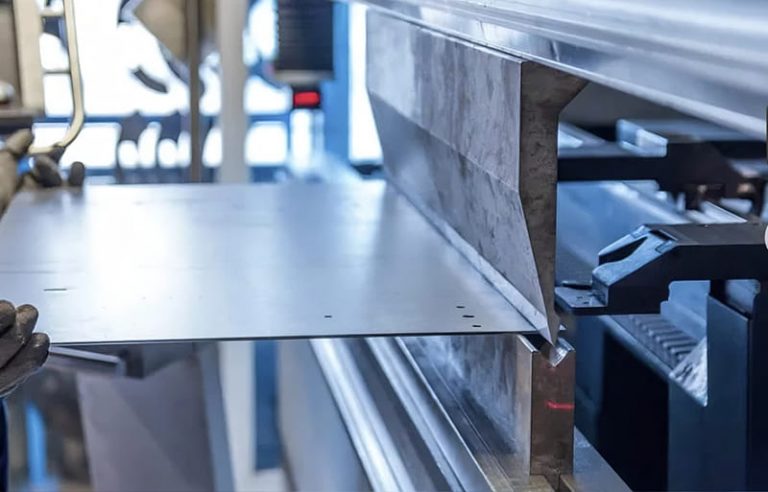
Final thought — what to expect from a good partner
Choose a partner who answers with specifics, shows finished samples, and explains trade-offs plainly. That partner will flag design risks early, quote transparent costs, and confirm inspection plans rather than promising generic lead times. For a reliable bridge between prototype and production you can trust the workmanship from Hanstar to reflect those practical commitments and shop-level clarity.