
Introduction — defining the retention challenge
I start with a simple technical fact: teeth move continuously after treatment, and even millimeters of drift can undo months of work. In cases where patients finish clear aligners, studies show a measurable risk of orthodontic relapse within the first year (often cited as 20–30% without consistent retention) — so the stakes are real. lulusmiles offers a range of retention options, and that range matters because the wrong choice wastes time, money, and patient trust. How do we decide which retainer matches a given patient profile, and what trade-offs should clinicians and users accept? This piece breaks that down into measurable factors, practical pain points, and a comparative lens that helps you make a confident choice. Next, I’ll look at where traditional solutions stumble and why that creates real friction for patients and providers.
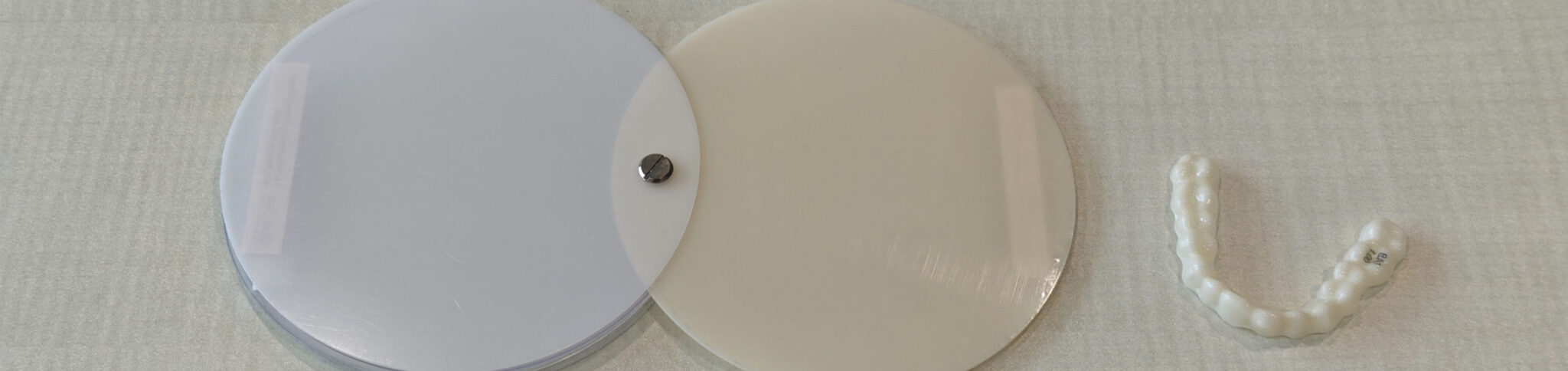
Why traditional retainer options fall short (direct take)
where to buy retainers is a question patients ask in clinic, online, and in casual conversation — and the answers they get are often inconsistent. Traditionally, clinicians offer removable Hawley retainers, vacuum-formed trays, or bonded retainers. Each has a role, but common flaws persist: poor fit after minor adjustments, user compliance issues with removable devices, plaque traps around bonded wires, and inconsistent retention protocols across practices. Look, it’s simpler than you think — a retainer that doesn’t get worn or that irritates the tongue fails its core job. I’ve seen patients return within months because a thin vacuum-formed retainer stretched slightly after cleaning, or because a bonded retainer loosened and created occlusion issues. These are not edge cases; they’re everyday failures that compound into distrust of the whole retention process.
What goes wrong, specifically?
From a technical view, problems split across material, design, and human factors. Materials fatigue: thermoplastic trays can craze and deform with hot water or rough handling. Design gaps: Hawley wires leave spaces where plaque accumulates, increasing gingival irritation. Human factors: inconsistent wear schedules and unclear instructions lead to noncompliance. Combine those with poor follow-up — and relapse becomes a probability, not just a risk. I’m candid here because these details tell us where improvements will actually matter — not in marketing terms, but in daily clinic outcomes. — funny how that works, right?
Comparing modern approaches — principles and practical metrics
Moving forward, we need a framework that links product science to user behavior. I compare three modern approaches: improved vacuum-formed retainers with engineered polymers, low-profile bonded systems, and hybrid solutions that combine removable wear with a passive bonded backup. Each leverages distinct engineering principles: polymer memory and surface hardness for trays, corrosion-resistant alloys for bonded wires, and modular interfaces for hybrids. For clinicians, the question is which principle best aligns with the patient’s risk profile (compliance risk, history of orthodontic relapse, oral hygiene). For patients, comfort and maintenance matter most.
What’s next — future outlook and criteria
Consider invisible options too: many practices now integrate invisible braces workflows into retention planning, using digital scans to produce retainers that fit more precisely. The digital chain — scan, model, print/mill, and finish — reduces manual variability and improves fit. That means fewer mid-course adjustments and better patient satisfaction. I’ve watched clinics shorten their retention complaints by standardizing digital protocols; it changes follow-up demands and lowers chair time. We must, however, watch material wear patterns over time and the environmental conditions of each patient — small things, but they add up.
To choose wisely, I recommend evaluating options by three concrete metrics: retention accuracy (fit and dimensional stability), patient adherence (comfort, ease of cleaning, wear burden), and maintenance overhead (repair frequency, replacement cost). Rate each candidate retainer on a 1–5 scale across these metrics in your practice, and you’ll see which approach consistently wins for different patient groups. I’ve used this rubric with colleagues and it helps cut through the noise — no fluff, just measurable trade-offs. In closing, make decisions that prioritize long-term occlusion stability and patient lifestyle; you’ll avoid the short-term fixes that lead to return visits and frustration. For more on product options and to explore specific offerings, check lulusmiles.