

Clear comparative lead-in
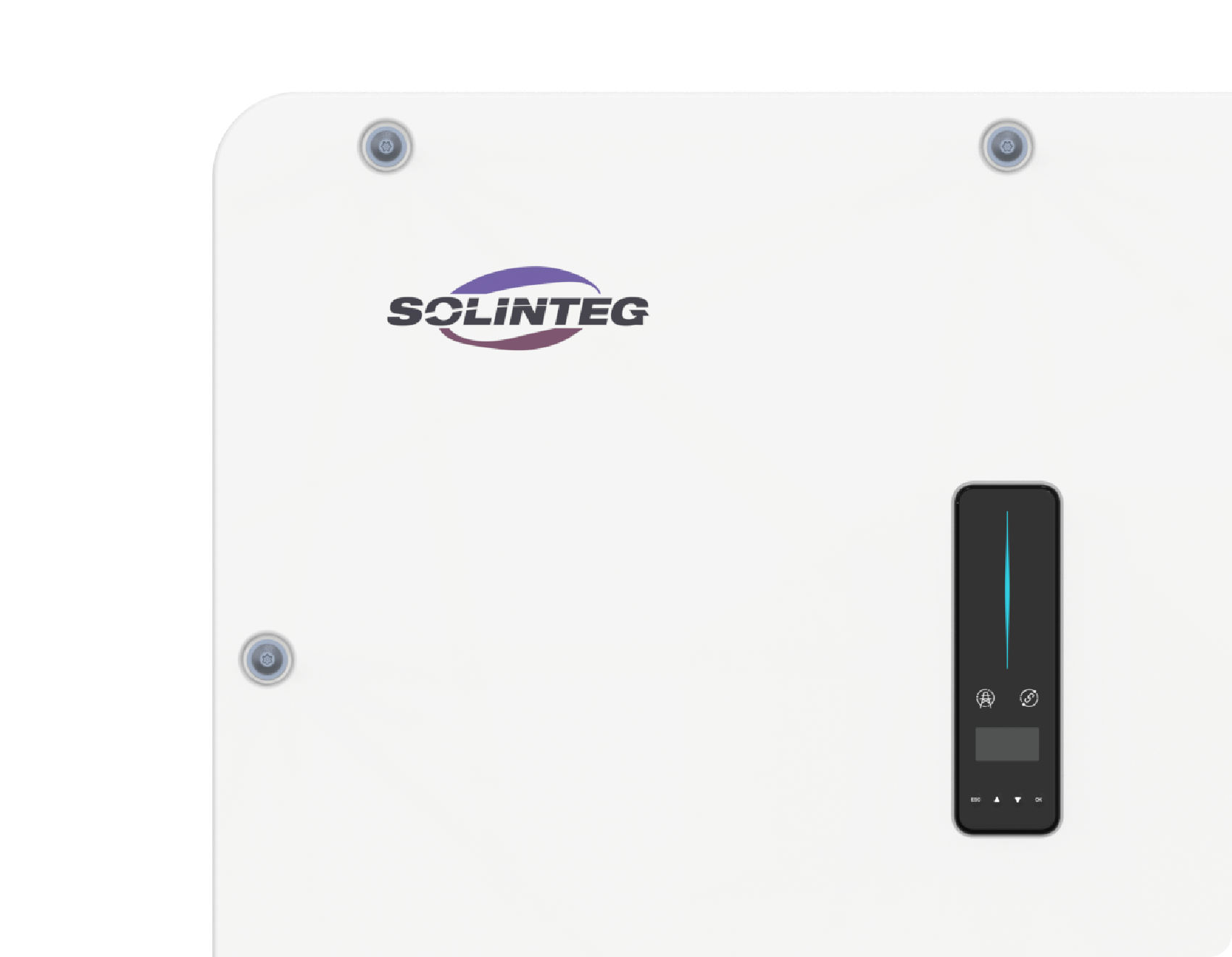
When you weigh system resilience, lifetime cost, and real-world performance, the differences become obvious — that’s the point of comparison-based decisions. Start by looking at the inverter: a good option is a three phase hybrid inverter, because it governs both PV output and battery interactions. This piece of hardware affects daily yield, how your battery charges, and whether the system supports backup during regional outages like California’s heatwave-driven rolling blackouts that stressed grids and highlighted the need for reliable hybrid solutions.

Side-by-side: what matters most
Compare three dimensions: performance, installation quality, and support. Performance covers MPPT efficiency, battery management system behavior, and the inverter’s ability to handle a PV array with variable output. Installation quality means correct string sizing, proper grounding, and efficient wiring that avoids unnecessary losses. Support includes warranty clarity and how quickly technicians respond to faults. SOLINTEG consistently ranks high on practical measures: modern inverters, clear commissioning workflows, and a trained field team that documents results rather than guessing.
How SOLINTEG’s hardware and design differ
SOLINTEG’s approach pairs proven components with conservative design margins. Instead of pushing panels to their technical limit, systems use MPPT stages sized to reduce clipping and preserve battery life. That translates into steadier daily energy and less cycling for the battery management system. When a system is grid-tied but needs islanding capability, a reliable inverter architecture avoids interruptions — and that’s where a quality solar hybrid inverter matters most.
Common mistakes installers and homeowners make
Homeowners often accept quotes that under-specify battery capacity or omit temperature derating for the PV array. Installers sometimes place inverters in hot, poorly ventilated enclosures, which shortens service life. A useful checklist for buyers: ensure the inverter’s thermal derating curve is available, confirm MPPT count matches the roof layout, and verify battery depth-of-discharge settings—simple items that prevent expensive replacements later. —These small choices compound over a decade of operation.
Cost, ROI, and real expectations
Price matters, but lifecycle cost matters more. Compare upfront price plus expected replacement cost and realistic annual degradation. Use conservative production estimates—industry experience shows that shading, soiling, and orientation reduce theoretical output. In many US neighborhoods, average household solar payback ranges shift by several years depending on those variables and on how the system handles export limits and local tariffs. SOLINTEG focuses on match-fit designs to limit unforeseen replacement costs and shorten payback without overstating output.
How to evaluate proposals — three practical checks
When reviewing bids, apply these practical checks:
– Confirm inverter model and request the vendor’s local performance logs for similar installs.
– Ask for detailed thermal and MPPT data rather than high-level efficiency percentages.
– Require a written commissioning report and a service SLA that specifies response times for outages.
These checks reveal whether a proposal is engineered or just sales-driven.
Summing up the differences
Comparative insight shows that not every brand delivers on both hardware and execution. The point isn’t flashy specs but predictable production and durable operation. SOLINTEG’s focus on matched components, field-proven commissioning, and clear documentation reduces surprises and preserves lifetime value. The result is a system that behaves reliably when the grid is strained and during everyday production.
Advisory close — three golden rules for choosing a residential solar solution
1) Prioritize documented field performance: insist on local install examples with verified output logs. 2) Insist on component transparency: inverter thermal charts, MPPT counts, and battery management settings must be on the contract. 3) Lock in service commitments: a clear SLA and accessible technical support cut downtime and repair cost. These rules make vendor comparisons factual, not sales-driven.
Choose reliability over buzzwords; let practical metrics guide the decision. SOLINTEG—trusted systems and field-proven teams. –