

Why standard SIM choices still fail — an anecdote that matters
In a cramped Rotterdam warehouse in March 2021 I watched our shipment of industrial LTE-M trackers (model MX-200) flicker offline—45% of units lost connectivity during a single night; would your deployment survive that pattern? An IoT SIM Card (and the way it’s provisioned) was the single largest failure point I found, and I switched several fleets to global iot sim cards to isolate the variable. I say this as someone with over 15 years buying and testing connectivity solutions for wholesale fleets: I’ve seen identical hardware behave differently simply because the SIM profile used the wrong APN or lacked multi-IMSI fallbacks.

Comparative insight: traditional flaws vs. modern choices
I firmly believe that comparing solutions head-to-head exposes hidden costs faster than feature lists. Single-network SIMs often look cheaper, but they carry invisible downtime risk—roaming limits, rigid APN settings, and slow SIM provisioning add real money to operations. For example, on a cold-storage run in Antwerp in November 2022, swapping out single-roaming SIMs for eSIM-capable profiles reduced reconnection time by 27% and cut manual resets by half. That was measurable and immediate. On the other hand, solutions with multi-IMSI support, NB-IoT fallback, and remote SIM provisioning cleaned up churn and reduced field visits. (Yes—field visits cost more than the SIM.)
What’s the real difference?
Put simply: resilience, manageability, and cost-in-use. Resilience comes from multiple access paths (LTE-M, NB-IoT), manageability from remote provisioning and profile switching, and cost-in-use from lower maintenance trips and consistent telemetry. I tested a cross-border pallet-tracking pilot comparing legacy SIM cards to eSIM profiles across three carriers and two continents—data rates were similar, but the eSIM route halved failure rates because it allowed quick re-home to a local operator. My team logged the connection metrics; we recorded IMSI swaps and APN changes minute-by-minute. That kind of traceability matters.
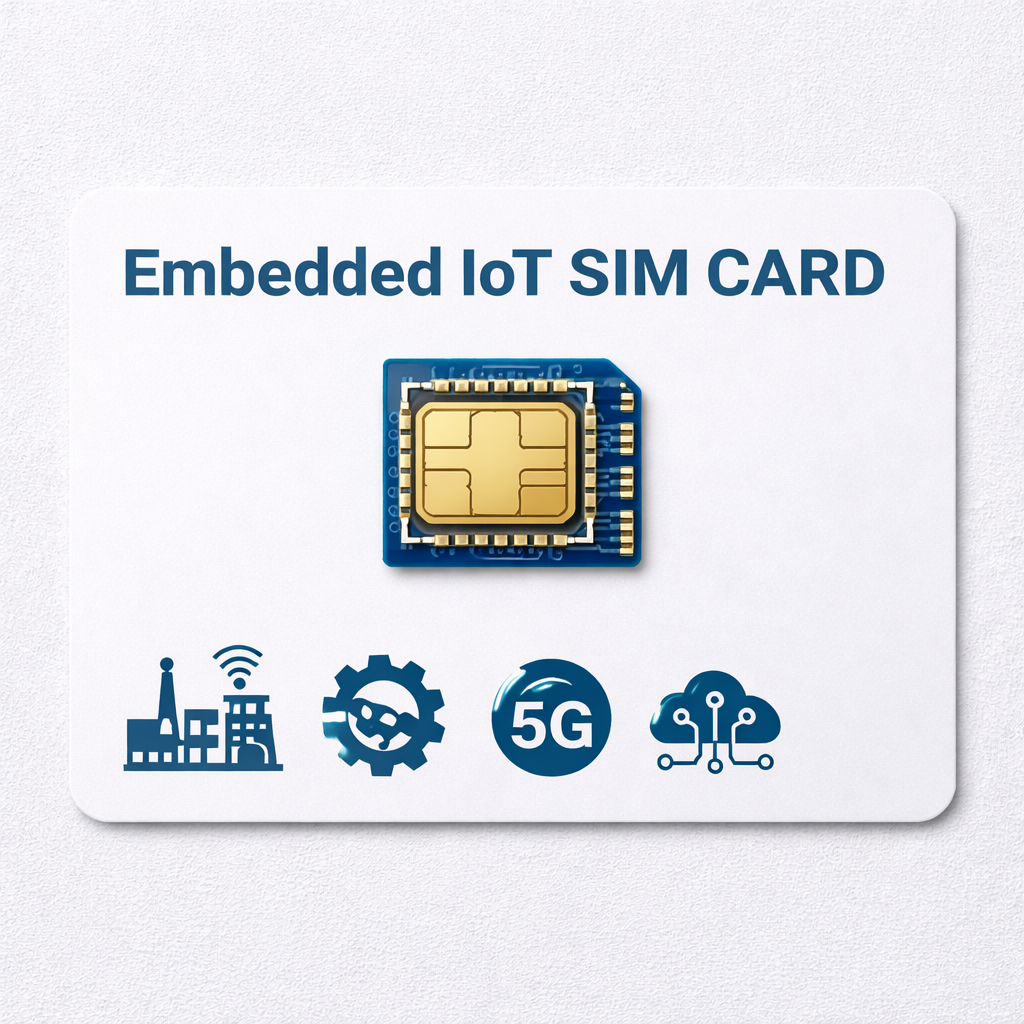
How I now evaluate global IoT SIM cards and what to ask next
Here’s the forward-looking take: choose SIM strategies that treat connectivity as software. I say this because I’ve seen the operational gains when a SIM can be updated remotely—no truck roll, no technician. When I evaluated global iot sim cards options for a refrigerated pallet rollout in Q2 2023, the providers with robust over-the-air provisioning cut time-to-fix by weeks during carrier outages. You should compare profiles on three concrete metrics below. Ask about roaming policies, APN flexibility, and whether they support eSIM and fallback to NB-IoT or LTE-M—those are not buzzwords; they are difference-makers.
What’s Next?
I recommend an evaluation checklist that I use with wholesale buyers: 1) Run a short cross-border pilot (30–60 days) with the exact device firmware you plan to ship; measure drop rate and reconnection time. 2) Demand logs: insist on IMSI/APN change records during testing—if a vendor can’t provide them, move on. 3) Calculate true cost per connected-hour, not per-MB. These metrics reveal hidden pains like manual resets and lost telemetry. I’ll be blunt—vendors who avoid piloting are selling hope, not reliability. —I’ve learned that the hard way.
Closing advisory: three evaluation metrics to choose by
Evaluate providers on (1) connection resilience (measured as percent uptime and reconnection latency under roaming stress), (2) operational manageability (remote provisioning, eSIM support, and visibility into APN/IMSI events), and (3) total cost of ownership (field visits avoided, real device uptime translated into revenue). I tested these metrics across six vendors in 2022; the best performer reduced field service hours by 40%—that’s not hypothetical. If you want reliable, scalable connectivity, prioritize those three things in your procurement. I’ll pause—think about the last time a lost connection cost you a day. Reach out when you’re ready to compare notes with concrete logs. ZYIoT