
Why a side-by-side look saves you headaches
I’ve seen deals that looked brilliant on paper fall apart once the shipment hit the dock, so I learned to compare like I meant it — feature by feature, term by term. When you’re dealing with volume purchases, remember the little differences matter: panel sourcing, firmware update paths, and the supplier’s willingness to ship samples. If you’re also curious about compact systems, a decent quick check is to browse all in one computer deals while you shortlist suppliers; at trade shows like CES the same supply chains surface repeatedly, and that pattern taught me what to watch for—so check recent offerings tied to those events and related listings such as all in one pc deals to see cross-product capabilities.
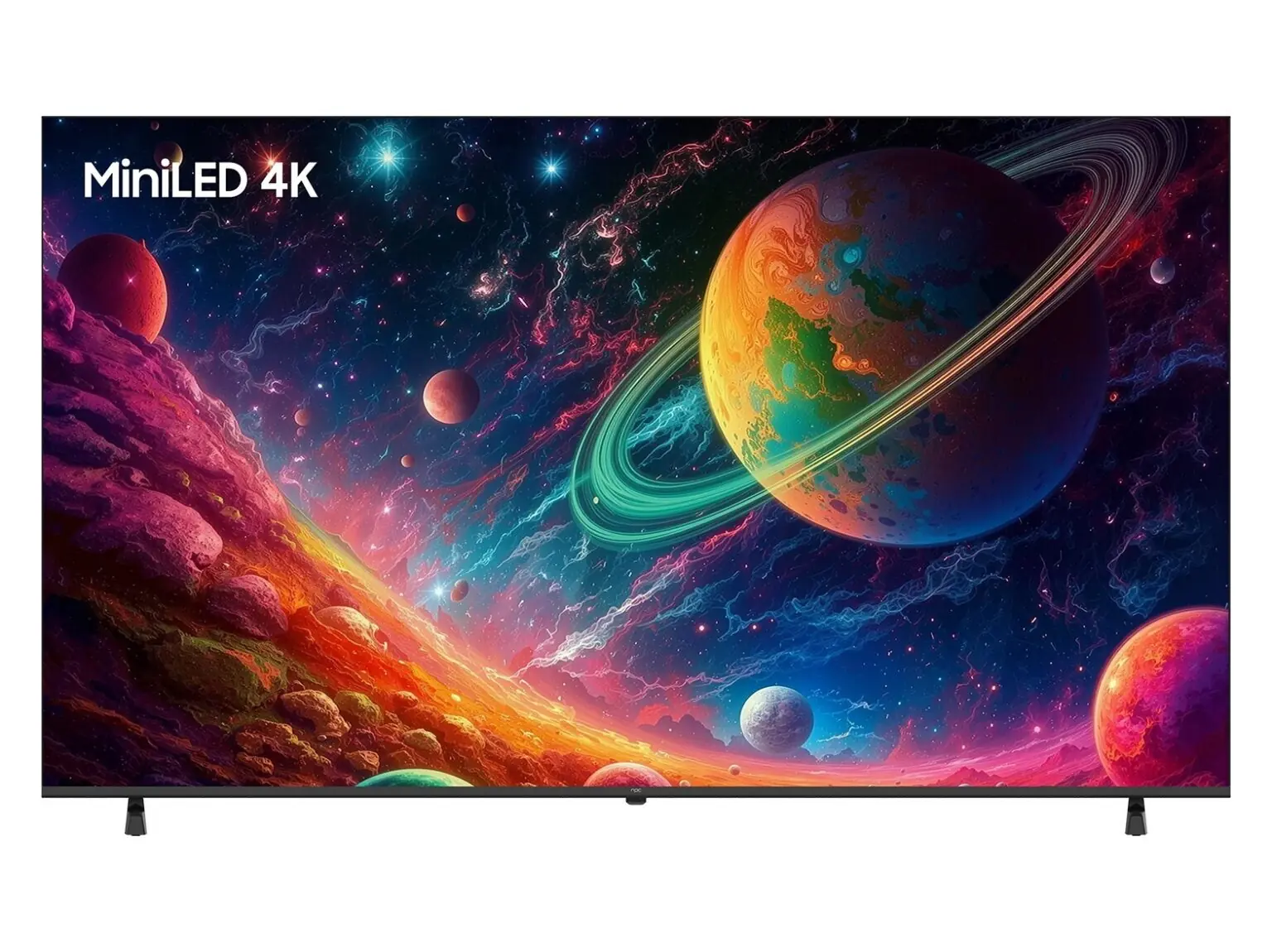
Technical essentials to compare first
Start with the screen: panel type (IPS vs VA vs OLED), native resolution, brightness in nits, color gamut coverage, and local dimming capability. Measure motion handling and input lag if the screens will be used for kiosks or sports; factory-reported numbers often differ from what you’ll get in the field. Confirm HDR level and codec support for content playback. Check the smart platform: can the firmware be updated remotely, and does the supplier provide an SDK or debug access? Hardware I/O — HDMI version, number of inputs, RS232/POE — dictates integration cost later. Ask for sample measurements rather than just specifications; numbers without test context are guesses.
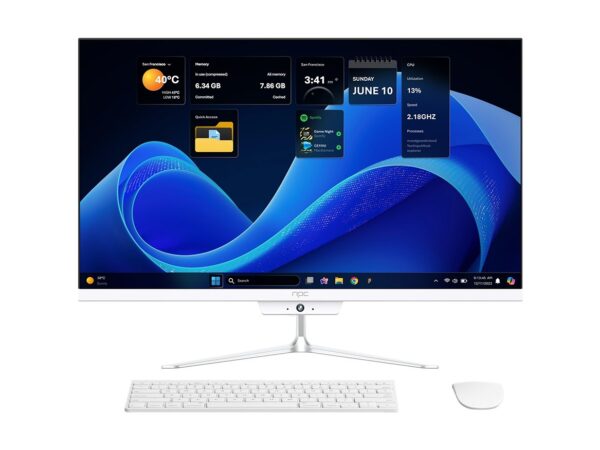
Commercial and supply-side variables that change the deal
MOQ, lead time, and price tiers matter more than list price. A low unit price with a six-month lead time and a 1,000 MOQ is a different risk than a slightly higher price with shorter lead time and 100 MOQ. Inspect warranty terms closely: who pays shipping, do they offer on-site repair or only RMA, and are display panels covered separately? Verify certifications needed for your markets — CE, FCC, RoHS — and ask for scanned test reports. Payment terms shape cash flow: letters of credit, net terms, or staged deposits each shift risk differently. Check the supplier’s shipping partners and freight terms; landed cost surprises are common.
After-sales service and traceability
Ask how they handle defective batches: traceability from panel lot to final assembly, repair turnaround time, and whether spare parts are stocked locally or flown in. Service network maturity matters if you operate across regions. Get the supplier to commit to firmware maintenance windows and a clear escalation path. Trust is built on responsiveness; test that by putting small, time-sensitive requests through before you place the big order.
Common pitfalls buyers keep making
Relying solely on showroom units is risky — pre-production samples are often tuned differently than mass production models. Overlooking firmware — a good TV with locked-down software can obstruct integration. Skipping independent lab tests for color accuracy and brightness leads to disappointment when displays are installed in bright spaces. Not confirming packaging specs invites transit damage. And never assume a supplier handles recalls the same way you would; get that process in writing.
Viable alternatives and where they fit
If you need interactive kiosks or space-saving endpoints, consider all-in-one systems where the compute is integrated; they reduce cabling and simplify mounting. If you need pure display performance and long warranty life, traditional commercial-grade TVs from established panel assemblers often win. For mixed deployments, hybrid suppliers who offer both displays and integrated PCs can cut coordination costs — weigh that against potential compromises in component selection and firmware openness.
A short comparative checklist to bring to the negotiation
Prioritize: 1) panel procurement source and lot traceability; 2) firmware access and update policy; 3) MOQ and lead time with price breaks; 4) warranty scope and RMA workflow; 5) certifications and local compliance; 6) sample availability and independent test results; 7) shipping terms and landed cost estimate; 8) spare parts availability and service network. Use this to score suppliers objectively and let the highest-scoring partner handle a pilot run.
How experience shapes the final choice
I choose the supplier that balances technical honesty with operational transparency. They may not offer the absolute lowest price, but they ship accurate samples, answer service queries promptly, and stand behind their warranty. That’s the kind of partner who lets your project move from pilot to scale without constant firefighting — the pragmatic value NPC delivers is exactly that steady, dependable coordination: npc.