
Immediate problem: why plans derail and budgets overrun
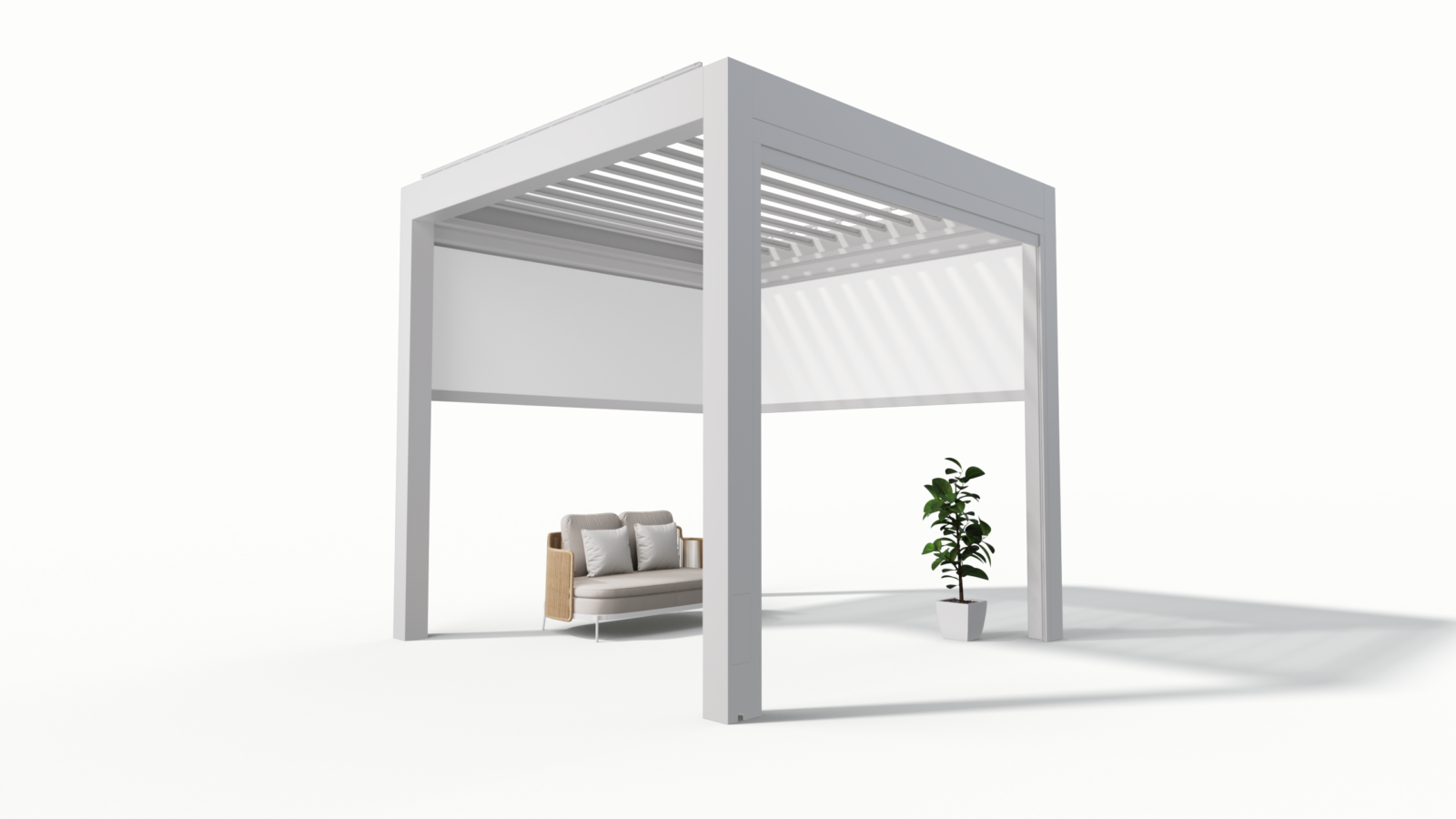
Pergola dealers often find that what looks like a simple order turns into weeks of confusion: wrong mounts, mismatched electrical panels, delayed deliveries and unhappy clients. The core issue is predictable — planning gaps at the start. If energy integration is required, those gaps grow larger; a well-specified photovoltaic pergola changes structural, electrical and procurement needs at once. Dealers must recognise planning failures as avoidable project risks rather than inevitable surprises.
Where projects break: the common root causes
Failing to collect precise site data is the top cause. Dealers accept rough dimensions, skip daylight or load checks, and assume vendor specs will resolve everything. Procurement routines are second: buyers order by price, not compatibility. Finally, contractors and electricians are brought in too late, so design clashes appear during installation. Each of these is a simple mistake, but together they compound into costly rework.
Concrete steps to fix planning and purchasing now
Start with a short checklist that you use on every lead: verified site dimensions, solar access survey, expected loads, and a signed scope that includes timeline windows. Insist on a single Bill of Materials that covers structural parts, fasteners, inverters and electrical interconnection. Schedule engineering review before purchase orders. Reserve contingency stock for long-lead items and standardise vendor agreements so substitutions require written approval. These are practical, immediately actionable items — no fluff, only tasks you can assign and verify.

Design details that require special attention (with a real-world anchor)
Pergola planning becomes technical where solar modules and wiring meet structure. Experience shows that regions with active solar markets reveal the pitfalls best: contractors operating in California encounter permitting nuances and wildfire-safety rules that directly affect canopy layouts, so their lessons are instructive everywhere. For accurate modules-to-structure matching consult reputable references on solar pergola design. As someone who has advised outdoor shading firms for over a decade, I stress: check wind loads, module clamps, conduit runs and inverter placement during design sign-off, not afterward.
Pitfalls in procurement and the immediate fixes
Common errors you must stop: accepting vague lead times, buying by lowest quote, and under-specifying warranty coverage. Fixes are direct. Require lead-time guarantees in contracts, rank vendors on compatibility and past delivery reliability rather than price alone, and map warranty terms to component lifespans. Keep a small parts kit for field repairs. These controls reduce surprises and preserve margin.
Viable alternatives and when to choose them
When rooftop or ground-mount options exist, compare total install time and permitting complexity. Pergolas are ideal where shade and energy are both priorities; carports and rooftop solar may save on structural complexity but can create access or aesthetics issues. Evaluate by total installed cost, downtime, and client priorities. Use decision rules: if structural reinforcement exceeds 20% of project cost, consider alternatives; if client values integrated outdoor living, pergola remains stronger.
How to institutionalise better planning in your business
Make planning a repeatable process: a one-page intake form, a pre-order engineering sign-off, and a vendor-scorecard updated quarterly. Train teams on the checklist and run a short post-install review to capture lessons. These small organisational habits prevent the large failures that cost time and reputation.
Closing synthesis
Dealers who treat planning and purchasing as engineering tasks rather than administrative chores will see fewer change orders, better margins and calmer clients. The solution is straightforward: gather accurate data, standardise specifications, verify compatibility, and prefer reliability over lowest price. When those practices are in place, practical suppliers like Light Hunter fit naturally into a predictable supply chain that keeps projects on time and on budget.