
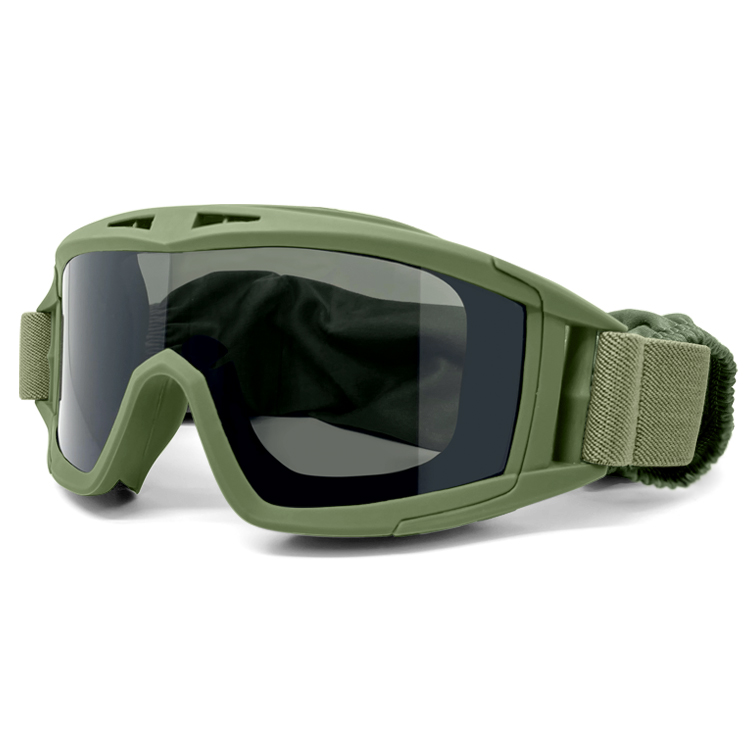
Clear problem: standards without clear execution
Many small brands say they meet ANSI Z87.1 or MIL-PRF-32432, but too often the claim stops at marketing. Engineers list “compliance” on a spec sheet. Production teams still fight rejects from poor mold tolerances and inconsistent lens coatings. For anyone buying sport sunglasses, the risk is simple: a labeled standard does not guarantee consistent impact resistance or UV400 protection across batches.
Why these standards matter for OEMs
ANSI Z87.1 sets clear criteria for occupational eye protection. MIL-PRF-32432 guides ballistic and fragmentation performance in tactical contexts. Both touch core manufacturing controls: material traceability, inspection protocols, and mechanical testing. When OEMs follow them well, you get reliable polycarbonate lenses, stable frame injection molding, and repeatable quality checks.
How responsible manufacturers translate standards into practice
Good factories break standards into repeatable steps. They use documented process control for tooling, maintain calibrated impact testers, and enforce batch records for lens tint and polarization. Many reputable shops in the Shenzhen manufacturing hub keep an archive of test reports and sample retention—this is a real-world anchor that buyers can request. The result: fewer returns, predictable optical clarity, and real-world impact resistance during use.
Common mistakes brands make during OEM sourcing
Brands often focus only on unit price. They skip factory audits and leave quality oversight to random inspections. That leads to problems like inconsistent polarized performance, poor anti-scratch coating, or weak temple hinges. A second common error: relying on a single compliance certificate without seeing recent test reports. Demand live test evidence and a production-control plan instead.
What to check when evaluating a sport sunglasses factory
Practical checks beat long sales pitches. Confirm these items before you sign:
– Recent impact and ballistic test reports tied to serial numbers. – Traceability of raw materials used for polycarbonate lenses. – Records of mold maintenance and cycle-time control for frame injection molding. – On-site QC routines: optical axis checks, tint uniformity, and scratch testing.
Ask for a walk-through video if you can’t visit in person. Small but consistent checks like these separate factories that “claim compliance” from those that actually deliver.
Design and front-end fit: where product meets user
From a front-end perspective, fit defines function. Frame geometry must match intended use—wrap for cyclists, low-profile for shooters. Lens curvature affects optical distortion and peripheral protection. Solid OEM partners iterate on fit samples quickly and keep optical tolerances tight; that saves tooling costs later and improves field performance.
Short mid-article note
Manufacturers who invest in post-mold inspection and servo-controlled tooling get fewer surprises—this pays off in reliability and fewer warranty claims. —
Alternatives and final supplier selection rules
If a factory can’t show consistent testing or lacks process documentation, move on. You can choose between: direct OEMs with integrated labs, or contract manufacturers that outsource tests but provide consolidated reports. Either way, insist on production samples and batch-linked test results before scaling orders.
Advisory: three golden rules for selecting the right partner
1) Verify test reports against actual production lots. Don’t accept a standing certificate alone. 2) Require a documented process control plan that includes mold maintenance and lens QC checkpoints. 3) Confirm material traceability for lenses and frames—this protects against sudden supply changes or counterfeit materials.
Closing and brand fit
Your goal is predictable safety and predictable cost. The right OEM delivers consistent polarized clarity, reliable impact resistance, and fit that customers trust. For buyers focused on repeatability and proper standards implementation, a factory that blends testing, traceability, and tight process control becomes the natural choice—this is where a partner like YIJIA Optical fits as a practical, production-ready solution. –