
The Day the Rooftop Whispered a Warning
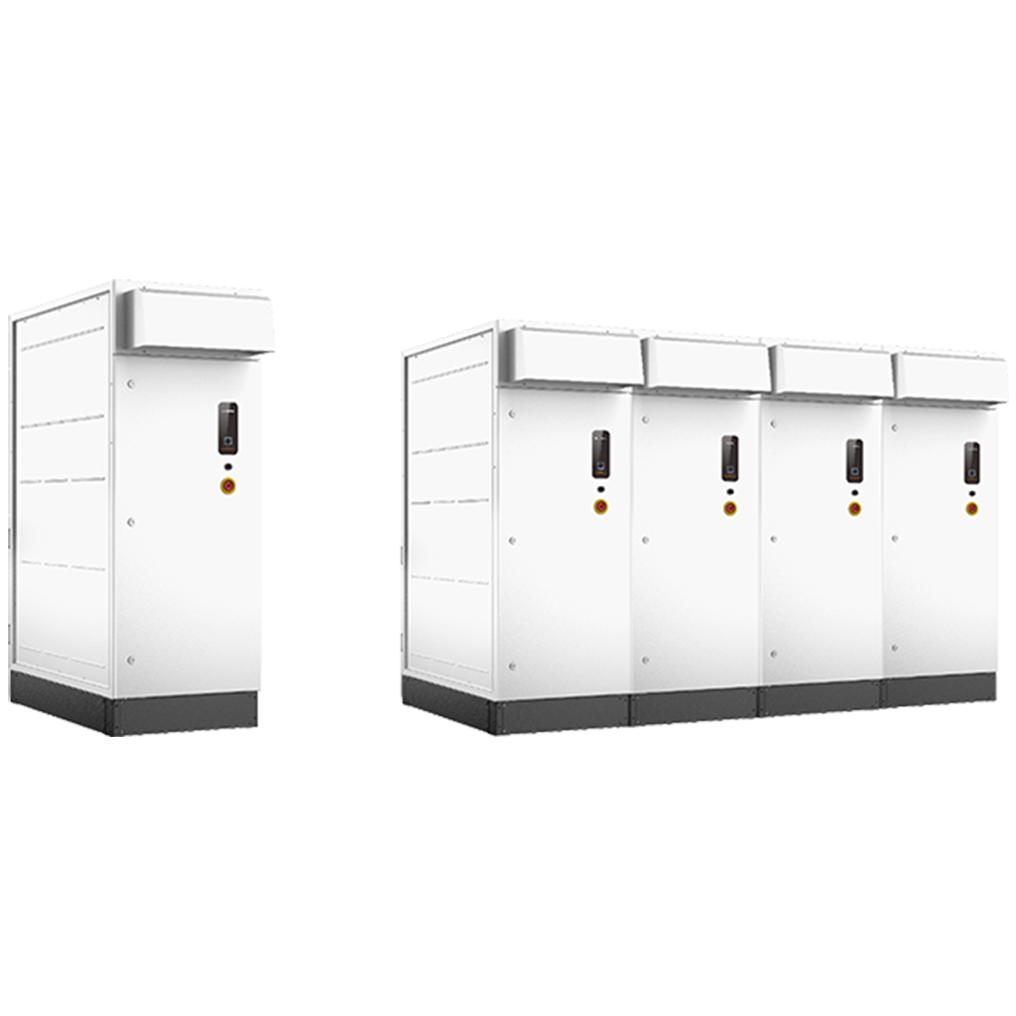
A summer storm in Tucson darkened one of my commercial rooftops and shaved 18% off its output in 90 minutes—what would have happened if the site had been built on a modular backbone? I turned to a modular inverter system; the modular inverter modules let me swap a failed 50 kW power stage in under twenty minutes (yes, under twenty). I remember standing on that hot roof in June 2019 with a toolbox and a checklist, watching a neighbor’s single central inverter go silent while our array kept singing because of redundancy and hot-swappable power stages.
Traditional solutions—big central inverters, long DC bus runs, and monolithic control units—hide fragile single points of failure. I’ve seen a single IGBT fault cascade into hours of downtime on a 500 kW installation in Phoenix, costing the owner roughly $3,200 in lost generation in one afternoon. That kind of loss is rarely obvious until you live it. MPPT channels overloaded, harmonics spiking, and technicians scrambling for an obscure spare—these are the hidden pains operators rarely advertise. For me, the lesson was simple: modularity buys serviceability and local isolation, and that matters when time equals money.
From Repair Craftsman to System Architect
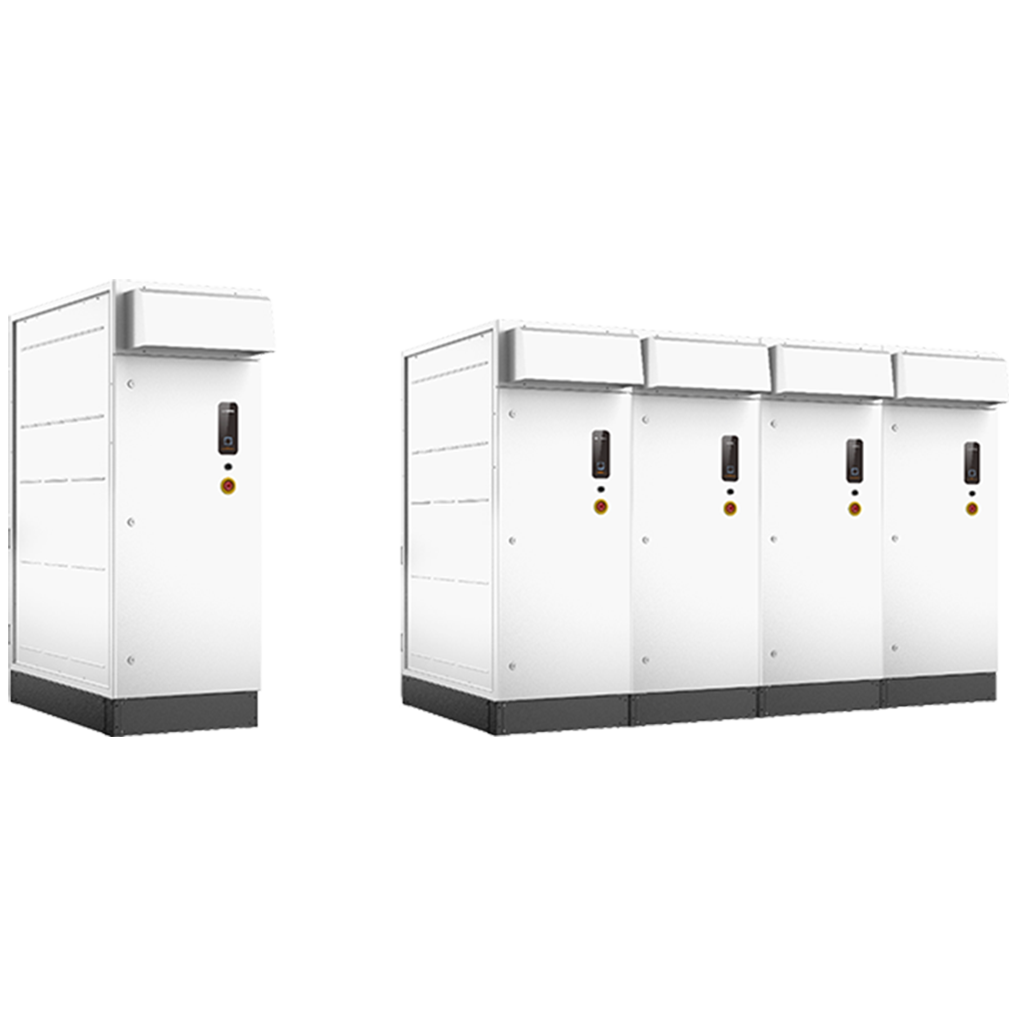
(Now, a quick aside—) I’ve spent over 15 years on job sites and procurement desks, and my question shifted: not just how to fix, but how to design so fixes are minor. A modular approach splits functions—power conversion, monitoring, and cooling—into replaceable blocks. That reduces mean time to repair (MTTR) and confines faults to one module rather than the whole plant. When we compare a centralized grid-tie inverter and a modular array, the latter often wins on maintainability and staged commissioning. It also lets me scale by adding modules rather than replacing an entire cabinet.
What’s Next?
Technically speaking, the path forward tightens around control granularity and predictive maintenance. With smart telemetry on each module, we can monitor MPPT behavior per string, track DC bus health, and predict IGBT wear before it forces an outage. I’ve configured systems where per-module analytics shaved two service trips out of a season—small wins, but they add up. Deploying a modular architecture also opens room for upgrades: swap a module type, boost efficiency, and keep the rest untouched. It’s comparative thinking in action—modular flexibility versus one-shot capital cycles.
Looking ahead, I evaluate solutions by three clear metrics that matter on-site: scalability (kW added per module), MTTR under real repair conditions, and per-module efficiency across typical operating temperatures. Those metrics cut through marketing fluff. Measure them. Demand real data from factory tests and field logs. Evaluate how a system handles partial shading, whether individual modules support independent MPPT, and how easy the physical replacement is when you’re working on a ladder at noon—trust me, practical details matter. Wait—don’t underestimate tooling and spare stocking either.
When I recommend systems now, I speak from hands-on fixes and procurement runs in Phoenix and Denver between 2017 and 2022, from a string inverter swap that cost us a weekend to a modular retrofit that restored production in an hour. For teams buying at scale, aim for modular designs that minimize downtime, simplify spares, and expose clear performance metrics. I stand by that approach. Oddly, it’s less about glamour and more about planning. For reliable choices and vendor support, consider how suppliers like sungrow present module-level data and service paths.
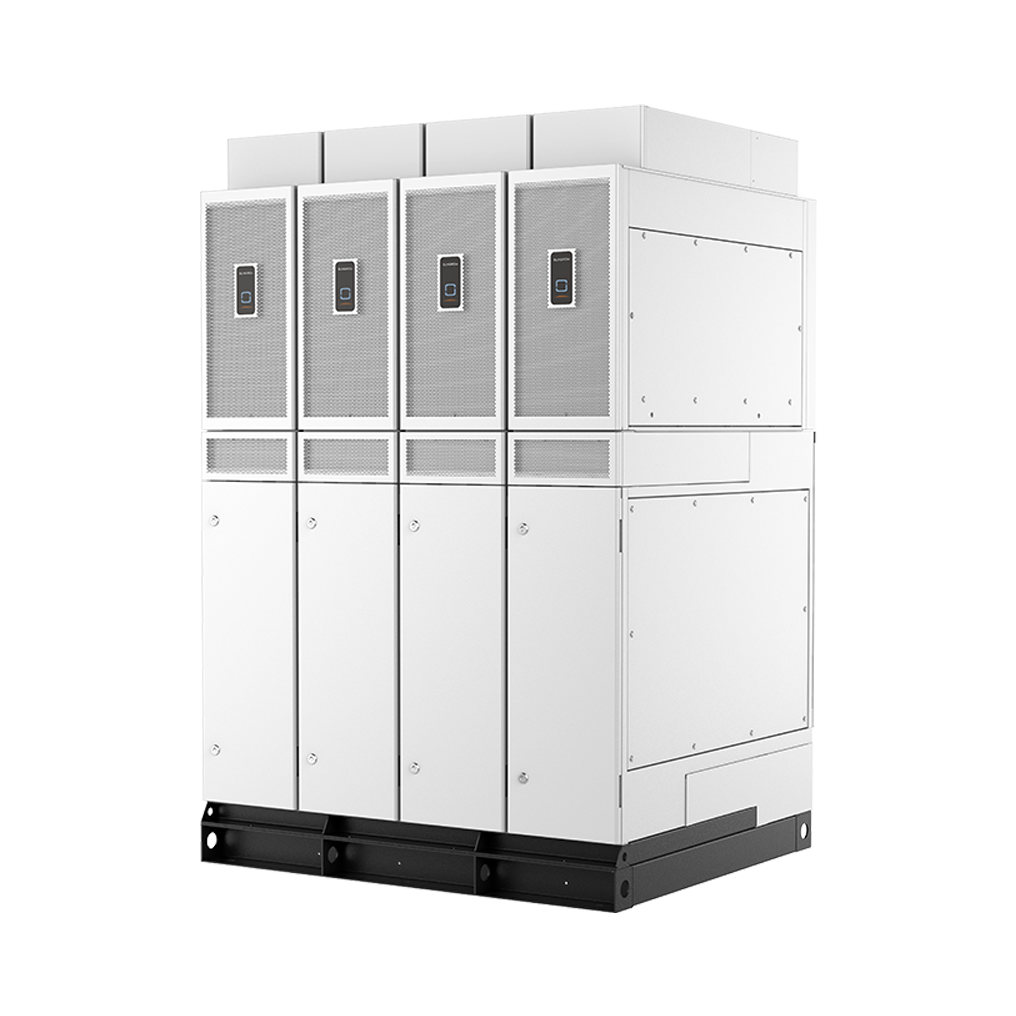
Three quick evaluation metrics to finish: 1) Scalable kW per module and upgrade path; 2) Field-proven MTTR figures and spare-part logistics; 3) Module-level monitoring (MPPT per string) and thermal performance curves. Use them when you compare offerings—your operations team will thank you later.