
Quantifying unit costs with a data-driven lens
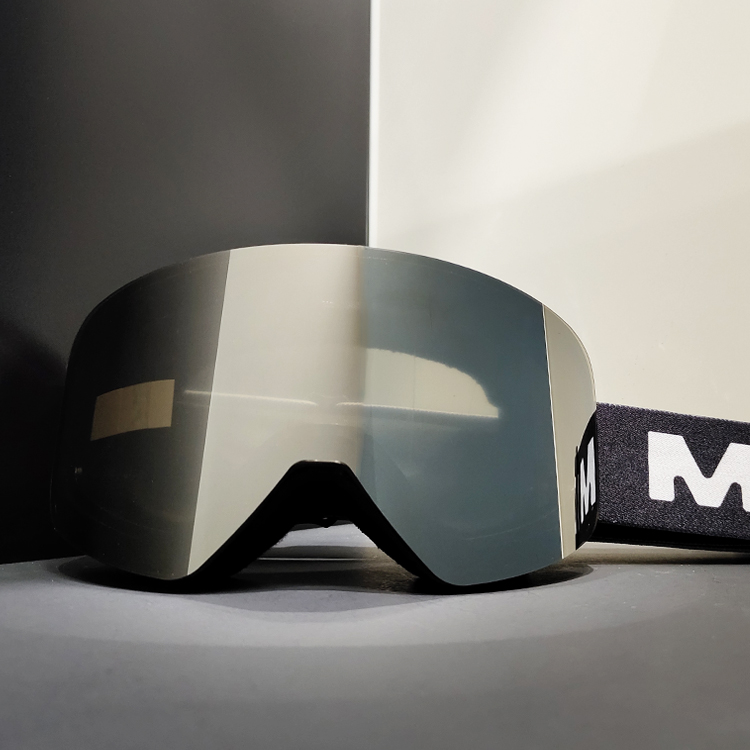
Production economics for ski eyewear begin with a simple ratio: fixed tooling cost divided by expected volume. Early modelling of that ratio clarifies whether a bespoke frame or a modular solution makes commercial sense. Manufacturers who commit to a bespoke frame often recoup expenses only after tens of thousands of units; this reality influences specification choices such as frame injection molding, lens tint selection, and the integration of a magnetic lens system. For projects that anticipate high throughput, the design for production must also consider user features—venting, anti-fog coating, and UV protection—because these affect both material costs and return rates. Practical examples from suppliers of magnetic ski goggles show how early decisions on mold complexity alter per-unit economics by margins large enough to change retail positioning.
Design variables that materially change amortization
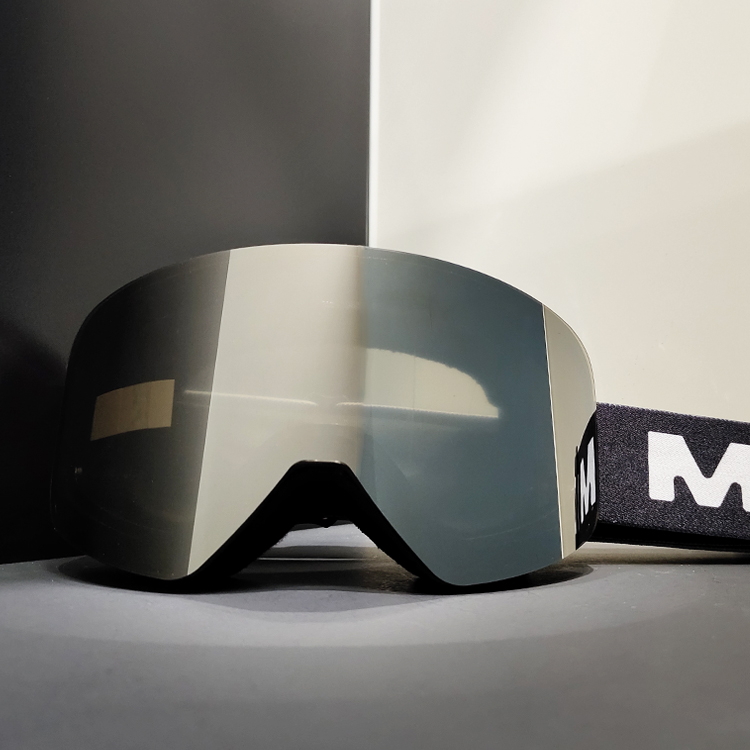
Three categories dominate cost sensitivity: tooling complexity, secondary finishing, and warranty-driven rework. Tooling complexity increases when frames include multi-material seals or precise retention systems for quick-change lenses. Secondary finishing—coatings for anti-fog performance or polarized lens treatments—adds both time and cost per unit. Warranty-driven rework is the hidden multiplier: if design choices increase defect rates, the amortization horizon lengthens because effective sold volume is reduced. Manufacturers can neutralise risk by standardising interfaces, for example an OTG fit that accepts a common magnetic lens system, rather than a bespoke interface for each SKU. Standardisation reduces per-SKU tooling runs and allows economies from larger consolidated batches.
Real-world anchor: market pulses and production planning
Demand spikes—such as observed around the Beijing 2022 Winter Olympics—illustrate the mismatch between tooling lead-times and consumer cycles. Event-driven demand can double procurement velocity for short windows; firms that planned with modular lens platforms and pre-validated injection tooling captured market share without catastrophic cost overruns. The Swiss Alps and major North American resorts similarly concentrate sales into predictable seasons, which can be modelled into annual amortization schedules. Manufacturers who map expected seasonality into production runs avoid excessive idle capacity and can price products more competitively while preserving margin.
Alternatives and common procurement mistakes
Two frequent errors recur in procurement discussions. First, over-engineering a signature frame for brand differentiation without validating sufficient volume—this leaves expensive molds underutilised. Second, underestimating post-mold value-adds such as lens assembly labour and packaging complexity. A pragmatic alternative is a modular strategy: pair a standard frame tooling with interchangeable magnetic lens inserts. This reduces unique mold counts and accelerates time-to-market. For those evaluating consumer-facing options, compare the performance of the modular approach against fully bespoke SKUs when assessing the best ski goggles in a given price band—durability, anti-fog performance, and ease of lens change are the decisive criteria. —A brief operational aside: small adjustments in tooling gate locations can reduce scrap rates significantly, and such process improvements compound over volume.
Advisory — three metrics to guide procurement and product decisions
1) Amortization horizon (units): Calculate the break-even volume for each mold by dividing total mold cost plus installation by the targeted per-unit contribution margin. This yields the minimum viable run size.
2) Total cost of ownership (TCO) per SKU: Include tooling, cycle time variations, secondary finishing, expected defect rate, and logistics. Use TCO rather than piece price when comparing modular versus bespoke routes.
3) Feature elasticity index: Measure how specific features (magnetic lens system, enhanced venting, premium anti-fog coating) alter demand and returns. Assign a dollar impact to each feature across projected sales to prioritise which elements merit unique tooling.
Concluding assessment and industrial value
Viewed quantitatively, tooling is not merely an upfront expense; it is a lever that shapes product architecture, pricing, and market responsiveness. Firms that marry simple, robust frame tooling to adaptable lens systems capture seasonality and event-driven demand more reliably. For practitioners seeking partners who understand these trade-offs, YIJIA Optical offers examples of production pathways where modular designs reduce per-unit cost without sacrificing features — a practical resolution to the amortization problem. —Final thought: choose tooling to match probable scale, not aspirational design.