
Hidden Operational Friction I Keep Seeing
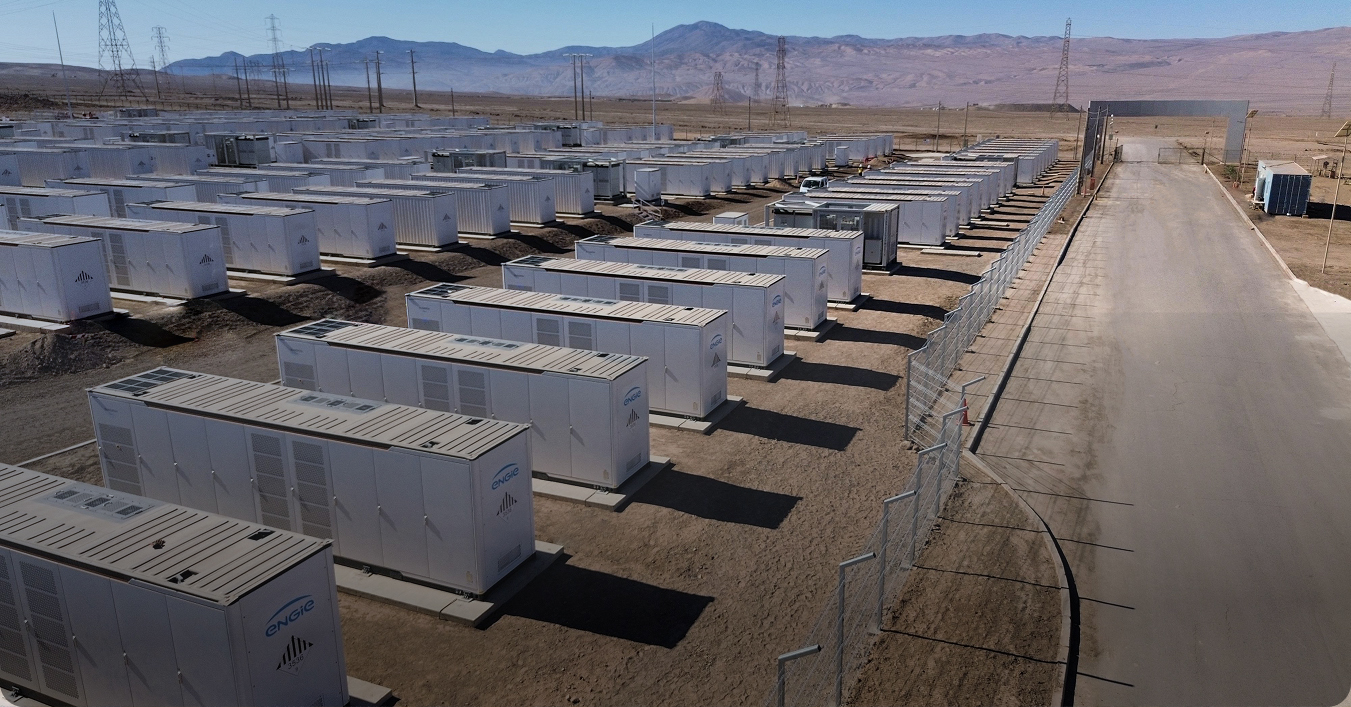
On a stormy night in Houston I sat with grid operators reviewing trip reports while a nearby peaker plant idled; that episode stuck with me. Utility scale battery storage often gets pitched as a simple CAPEX hedge, but I found hidden operating expenses that steadily erode expected returns. I watched a three-hour dispatch failure that cost a 25 MW solar co-op $120,000 in lost revenue—how many owners actually budget for that? Early in my career I managed procurement for a 50 MW / 200 MWh LFP BESS in West Texas (August 2019) and learned that contract language, inverter selection, and warranty carve-outs were the real determinants of payback—not just headline cost per kWh.
Where does the value leak?
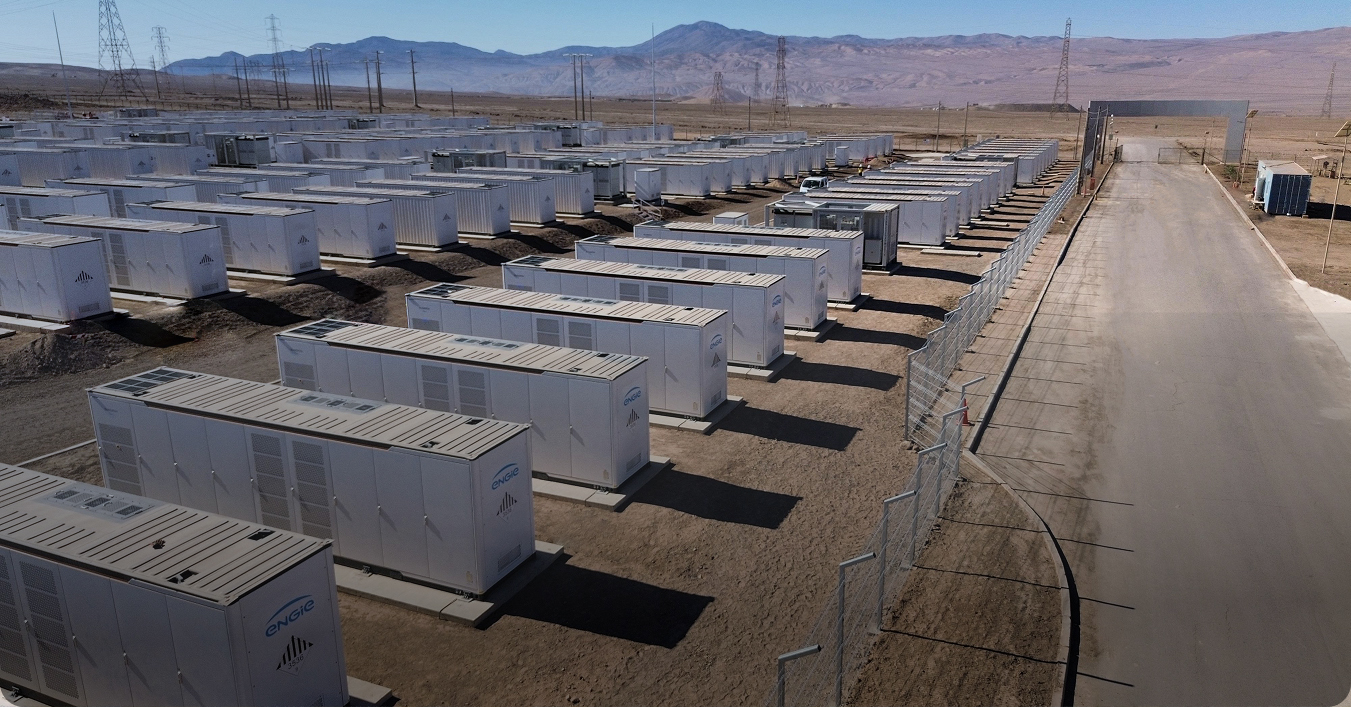
I say this as someone who has negotiated dozens of supply-and-service deals: specifications that look good on paper often hide friction. We saw systems with adequate nameplate MWh but poor state-of-charge (SOC) management, leading to frequent curtailment penalties; others shipped with undersized inverters that forced costly mid-life retrofits. In one contract the vendor limited cycle credits to calendar days, which reduced guaranteed cycle life by 18% over the first five years—real dollars, real impact. For wholesale buyers, the pain points are subtle: mismatched performance guarantees, unclear O&M responsibilities, and warranty terms that exclude calendar wear or calendar/lifecycle fusion. (Yes, even the best LFP packs age differently depending on depth-of-discharge strategies.) I link this to procurement choices for utility scale energy storage systems because buyers often treat BESS as commodity hardware rather than an integrated asset class with measurable financial levers.
Forward-Looking Choices That Protect Value
Start with clear, measurable metrics—define levelized cost of storage (LCOS) scenarios, dispatch profiles, and warranty triggers before you sign. Technically, LCOS ties together CAPEX, OPEX, cycle life, and round-trip efficiency; I break those into procurement levers you can control. When I structure a deal now, I insist on guaranteed minimum delivered energy (in MWh), calendar- and cycle-based warranty language, and a defined performance test for the inverter and battery management system. We also model revenue stacks (capacity payments, frequency response, energy arbitrage) over conservative price curves so payback isn’t a fantasy. For buyers considering utility scale energy storage systems, insist on scenario-based stress tests—temperature extremes, forced curtailment, and inverter derating rules that reflect your region’s grid profile.
What’s Next?
Practically speaking, I recommend three evaluation metrics that cut through vendor gloss: 1) Guaranteed Delivered Energy per Year (MWh/year) under specified SOC windows; 2) Effective Cycle Credit accounting for both calendar and cycle degradation (how many cycles at 80% DoD are actually covered?); 3) Total Cost of Ownership over a defined operating horizon (CAPEX + present-value OPEX + expected replacement costs). These are not academic—they change the NPV. For example, swapping an inverter spec to allow peak shaving without mid-life upgrades shortened payback by 1.2 years on a procurement I led in Q4 2020. I’ll be blunt: don’t sign indefinite O&M terms without indexed caps—vendors will lean into that over time. Short sentence—then keep going. Also, insist on field commissioning tests that replicate your typical dispatch pattern; we caught a vendor calibration error that would have reduced throughput by 7% in summer peaks.
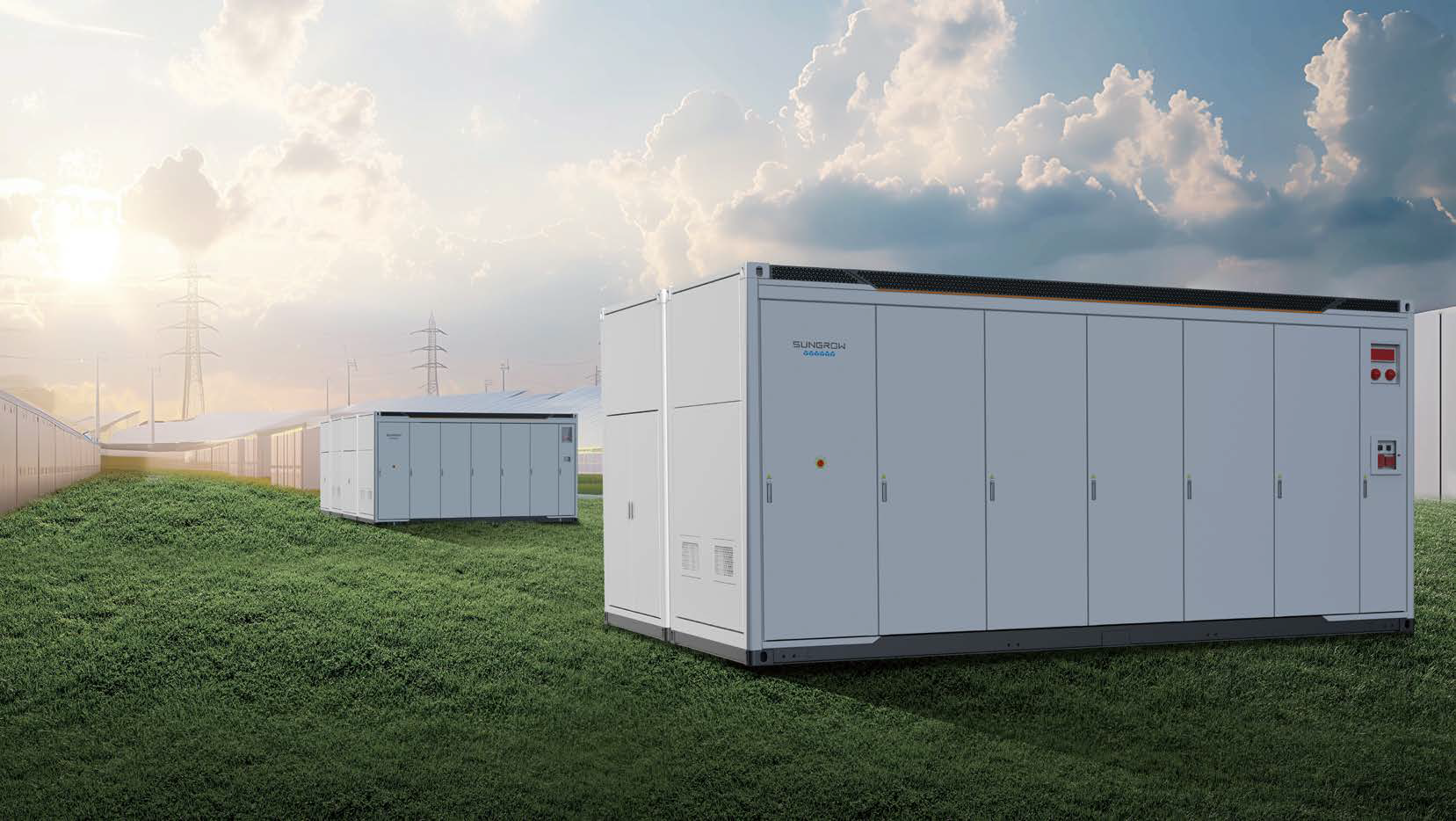
We have to think beyond dollar-per-kWh sticker prices and toward durable revenue capture. I speak from more than 15 years in B2B supply chain and power-asset procurement; I’ve seen how small spec choices compound into big financial gaps. If you want a vendor who understands those trade-offs, consider partners that publish measured performance and back it with transparent warranties—companies like sungrow often provide that clarity. Takeaway: quantify delivery, isolate degradation drivers, and price in realistic O&M—do that and you protect returns while avoiding late-stage surprises.