
Opening: why comparative thinking matters here
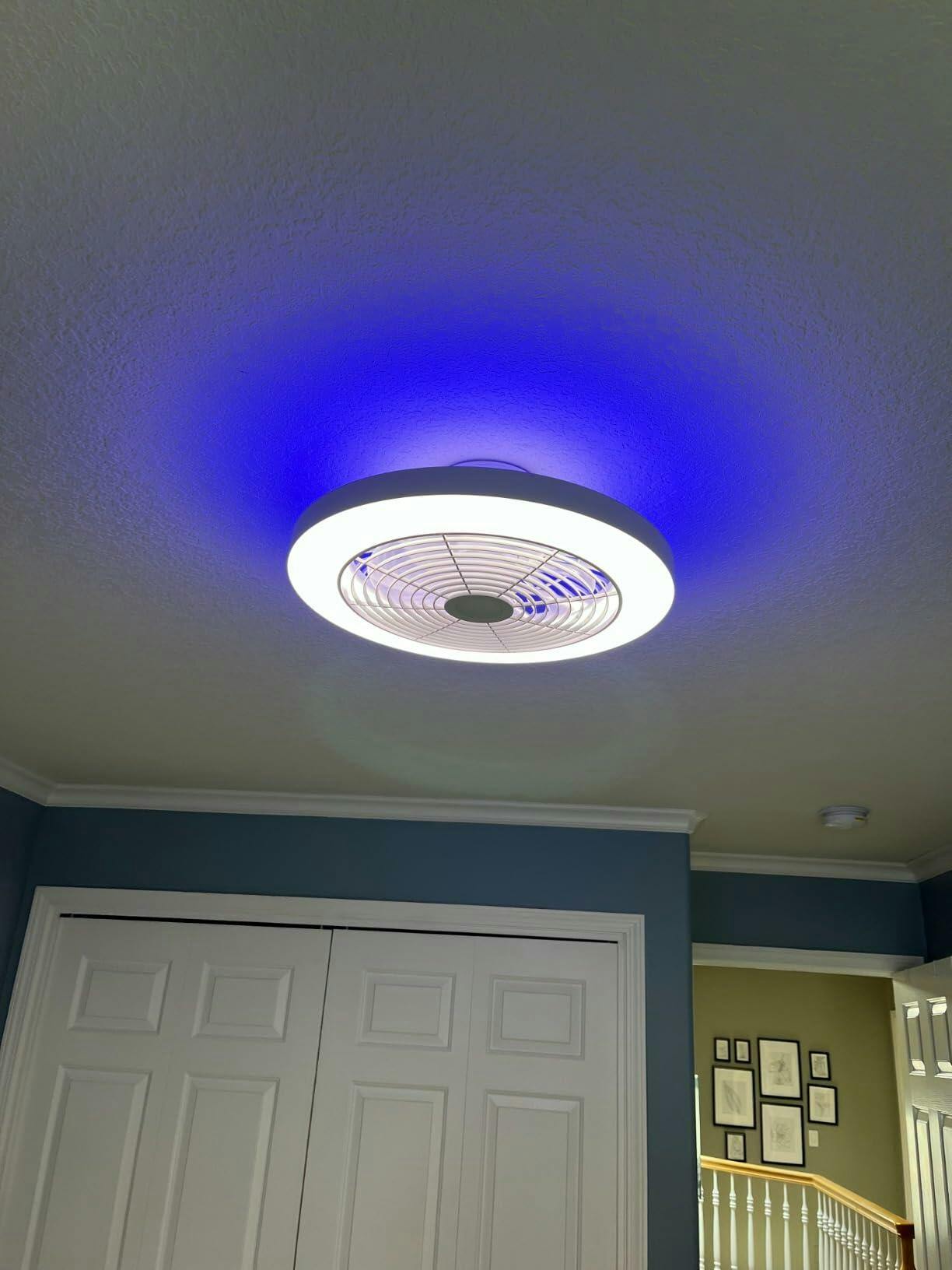
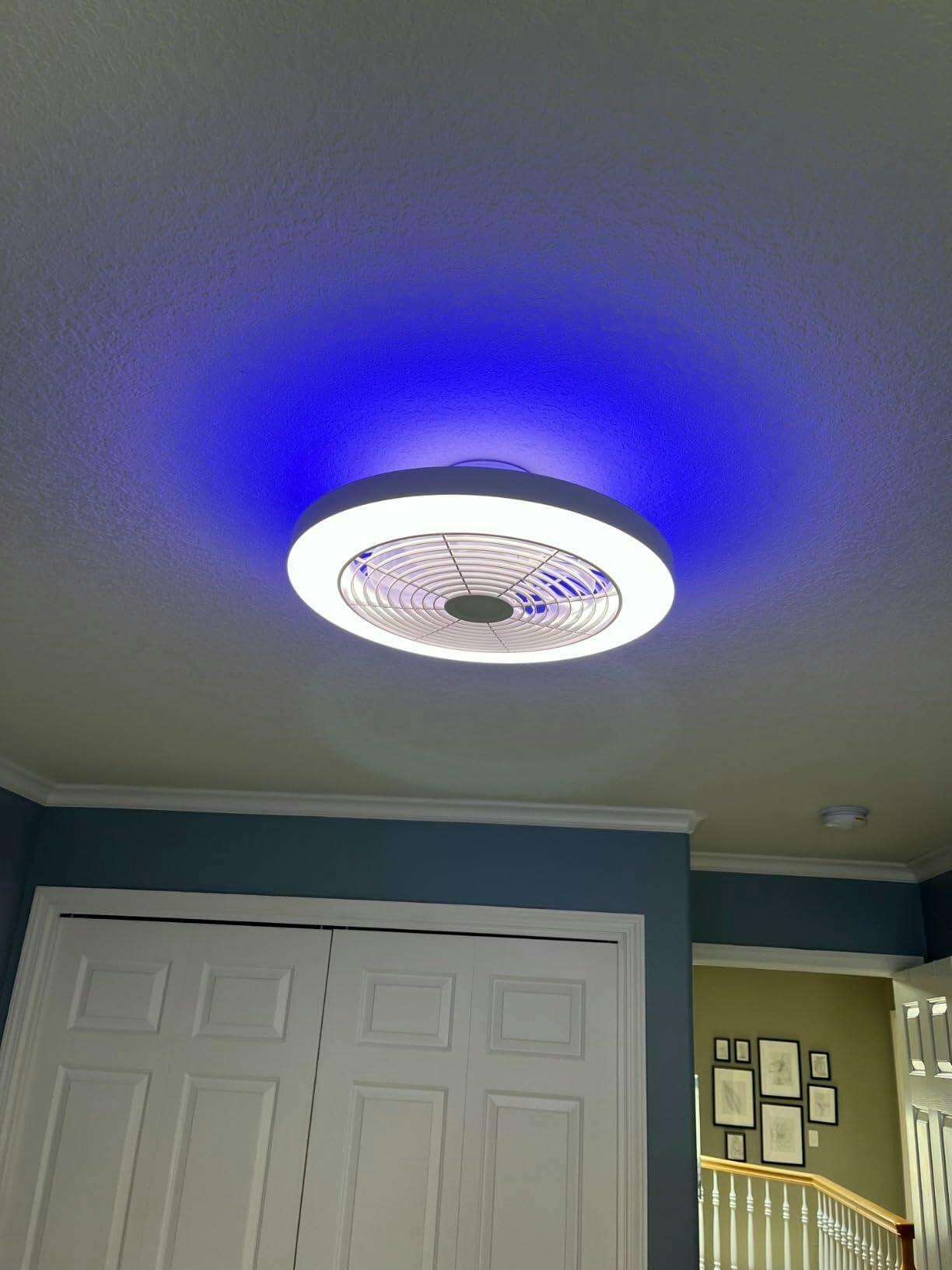
In open-concept farmhouse interiors, small differences in air delivery change comfort outcomes more than one expects. Comparing fan types and layout options is therefore not optional; it is essential. For homeowners and renovators considering modern solutions, a bladeless ceiling fan with lights can look attractive for its aesthetics and even flow, but its real-world performance depends on placement, ceiling height, and fixture spec. This article uses a comparative lens to show which factors matter most when you want consistent comfort across large, connected living spaces.
Core variables that drive perceived comfort
Three variables determine how comfortable a person feels when a fan operates in an open plan: actual airflow distribution, air velocity at occupant level, and light placement which affects perceived warmth. Airflow is commonly measured as CFM and must be considered alongside ceiling geometry and furniture layout. Lumen output and CRI of integrated lighting influence visual comfort and thermal perception — a bright, warm-lit area often feels warmer even with the same air movement. One must consider these variables together rather than in isolation.
Comparative analysis: traditional bladed fans versus bladeless systems
Traditional bladed fans deliver airflow in discrete sweeps; they depend on blade sweep, motor speed (RPM), and downrod length for coverage. Bladeless fans use engineered air-multipliers and diffused outlets to create a smoother velocity profile across a wider area. In many open-concept farmhouses, the smoother profile reduces drafts near seating zones while maintaining airflow in circulation paths. However, the trade-offs include initial cost and the specifics of mounting height. When comparing options, evaluate objective metrics (CFM, motor inverter type) and subjective reports (draft sensation, noise).
Installation and layout effects you cannot ignore
Placement relative to open staircases, lofts, and long sight-lines matters. A fan centered above a kitchen island will not deliver the same benefit when the living area is offset by several feet. Air stratification in high-peak ceilings causes uneven temperatures between floor and loft; a fan’s job is to mix that air. Poor mounting choices—too high or too close to beams—reduce effective airflow. Field studies in retrofit projects and guidance from ASHRAE 55 show that increasing air movement by even 0.2 m/s can expand the acceptable comfort envelope in summer conditions, which is a useful benchmark when comparing designs.
Common mistakes brands and DIYers make — and how to avoid them
Common mistakes are predictable: undersizing the fan for room volume, ignoring downrod length for cathedral ceilings, and selecting light modules that create heat spots near occupants. Designers sometimes assume that a single high-CFM unit will solve coverage for an entire open plan; often multiple lower-profile units or a distributed layout works better. Test early with temporary mounts and measure air velocity at seating height — simple anemometer checks prevent costly reworks. —
When bladeless with integrated lighting is the better choice
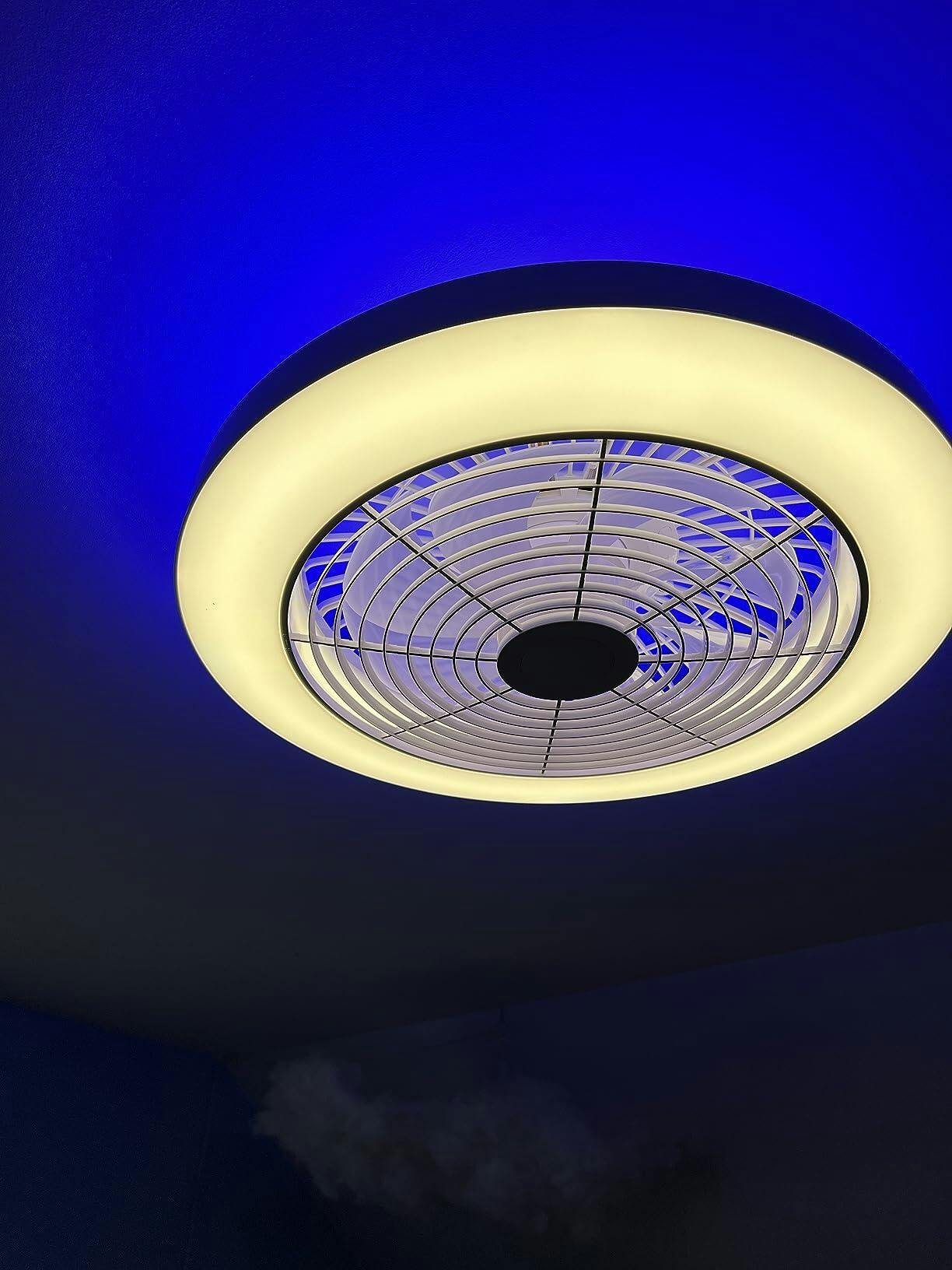
Choose a bladeless option with integrated lighting when you need quiet, even air distribution across wide sight-lines and when the aesthetic of open-beam farmhouses calls for minimal visual clutter. Look for units with tuned airflow outlets and dimmable LED light engines that balance lumen output and heat generation. If voice or smart-home integration matters, confirm compatibility with your hub. For many projects, a bladeless ceiling fan with lighting offers the best blend of form and function — provided placement and mounting follow basic fluid-dynamics principles.
How to evaluate performance: simple metrics and the real-world anchor
Use three practical metrics when comparing models and proposals: effective room CFM (adjusted for open-plan leakage), air velocity uniformity at 1–1.2 m above finished floor, and integrated-light thermal output (lumen per watt and measured heat near fixtures). ASHRAE 55 provides the underlying comfort framework and is a reliable real-world anchor for acceptable ranges of air movement and thermal neutrality. Manufacturers who publish test data tied to these metrics make meaningful comparisons possible.
Alternatives and when they make sense
If budget is the primary constraint, traditional high-sweep bladed fans remain the cost-effective choice for large volumes. For historic farmhouse restorations where visual authenticity matters, custom-bladed fixtures with period-appropriate finishes can be used together with discreet supplemental ceiling or wall fans to improve distribution. Hybrid strategies—pairing a central bladeless unit with smaller localized units—often yield the best compromise between even airflow and targeted cooling.
Advisory: three golden rules for selecting the right solution
1) Match capacity to connected volume, not to a single room: calculate adjusted CFM for the entire open plan. 2) Prioritize airflow uniformity: measure or request velocity distribution maps from manufacturers rather than relying on peak CFM numbers. 3) Account for integrated lighting heat: select LEDs with high lumen efficacy and confirm that light modules do not create localized thermal discomfort.
Apply these rules and you will reduce rework, improve occupant satisfaction, and protect your energy budget. For open-concept farmhouse projects where comfort and clean aesthetics coexist, the practical value of a thoughtfully specified bladeless fixture is clear — and that is precisely where Orison fits as a sensible solution. —