

User-first reality: what people actually need
Hospitals taught us a lot about pressure-based respiratory support, and patients now expect the same reliability at home. A lot of that expectation centres on comfort, portability and clear settings — the same things clinicians look for when choosing CPAP or BiPAP gear in acute care. For folks buying domestic systems, a good starting point is comparing mask fit, pressure ranges and ramp features; if you want an entry-level reference, check a reputable cpap device to see how clinical features translate into everyday use. Industry terms to keep handy here: CPAP, BiPAP, mask interface.

How hospital practice informs home design
Clinicians in wards focus on reproducible outcomes: consistent pressure delivery, predictable leak compensation and clear alarms. That clinical logic drives home-device design today — simpler screens, automated leak correction and easy-clean masks. Real-world anchor: during the COVID-19 surges of 2020–2021, hospitals such as Royal Melbourne Hospital adapted non-invasive ventilation protocols to reduce intubations, which sped the adoption of hospital-grade features in consumer devices. Non-invasive ventilation practices filtered down quickly — manufacturers responded with devices that balance pressure support and patient comfort.
Common user mistakes and how to avoid them
People often buy a unit on price alone, then struggle with mask fit or settings. Don’t skimp on the interface — a well-fitting mask reduces leak and improves sleep. Second mistake: ignoring maintenance. Filters, tubing and cushions wear; cleaning and timely replacement matter. Third: confusing advanced features with necessary ones. Pressure support, PEEP and tidal volume control exist for a reason — but most home users benefit most from reliable leak management and simple pressure profiles. — A little attention to these three areas saves heaps of frustration.
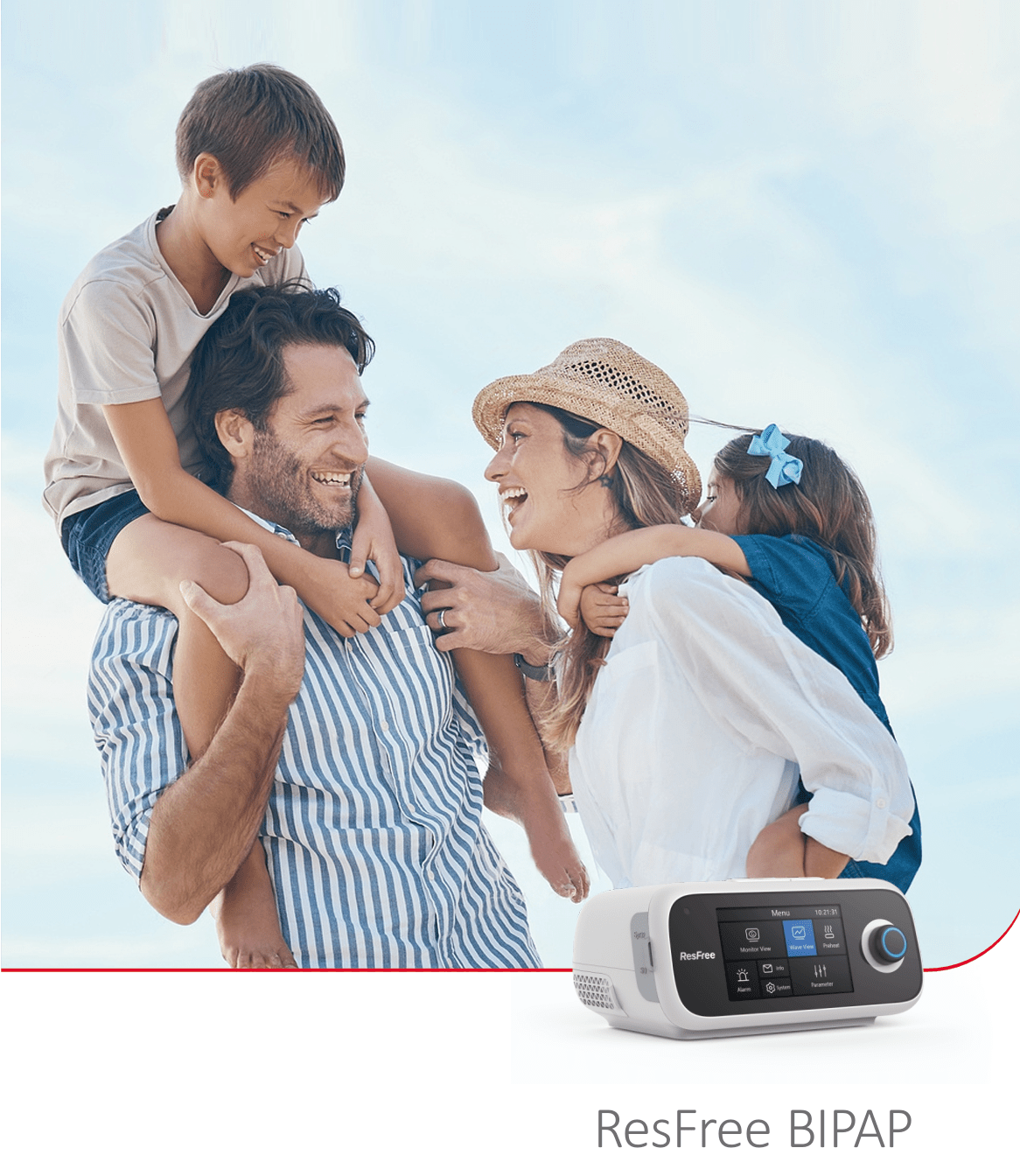
Supplier choices: what matters when you deal with a bipap breathing machine wholesaler
Buying through a specialist channel makes a difference. A reputable bipap breathing machine wholesaler can explain device uptime, replacement part lead times and after-sales training — all practical points that matter once a device is in daily use. Look for suppliers who offer clear service windows, local parts stock and basic clinician or pharmacy-level support. That practical backing reduces downtime and keeps therapy on track.
Operational teardown: what to check before you invest
An operational check should cover: pressure range, leak compensation algorithm, mask sizing and alarm clarity. Practically, run through a setup: fit the mask, confirm pressure cycles, and simulate a leak. In this section I’ll also note {main_keyword} and {variation_keyword} in the teardown to ensure procurement and configuration steps align with facility or home needs. Pressure support and alarm response time can be measured quickly and will tell you whether a unit behaves like a hospital system or a consumer gadget.
Alternatives and sensible trade-offs
Not every user needs a hospital-grade BiPAP. For mild sleep-disordered breathing, CPAP or auto-adjusting CPAPs often do the job with simpler maintenance. For chronic respiratory failure or neuromuscular weakness, choose devices with precise pressure support and dependable battery backup. If portability is crucial, accept narrower pressure ranges in exchange for lighter units — that trade-off is common and legitimate. Consider warranty and service network as part of the equation; they determine total cost of ownership more than sticker price.
EEAT and the good-old human element
EEAT approach: practitioner-led guidance, drawing on clinical sourcing and supply experience rather than marketing copy. That’s why vendor transparency about calibration, service intervals and spare-part availability matters. High-level, reputable events like the pandemic response showed which suppliers could scale and which couldn’t — real lessons for purchasers.
Three golden rules before you commit
1) Verify functional fit: mask comfort and leak management trump fancy extras. 2) Confirm support: ensure the supplier offers local parts and clear service windows. 3) Test behaviour: check pressure support response and alarm clarity under simulated conditions. These metrics predict day-to-day performance and the measurable results you should expect from a reliable supplier.
By centring practical checks and honest supplier relationships, you get devices that behave like hospital systems without hospital hassle — and that’s the value Byond brings to the table. —