
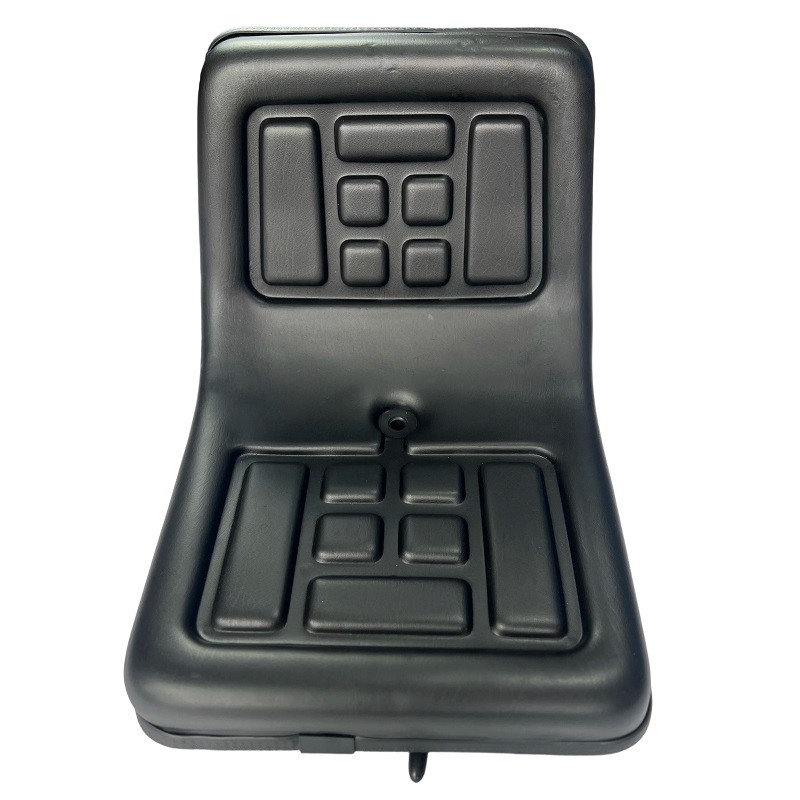
User-first lead: what matters when your seat carries you through the day
If you drive long shifts on rough ground, a well-kept PVC tractor seat makes the difference between a sore back and a productive afternoon. I speak from field time in Central Texas—spent on a John Deere mowing and hauling—where simple upkeep cut seat wear in half. For replacement parts or a good new option, a trusted tractor seat manufacturer often sells seats built with durable PVC covers and solid hardware that stand up to sun and sweat. This guide centers on practical steps you can do today to keep a PVC tractor seat comfy and to extend the life of suspension seats for tractors.
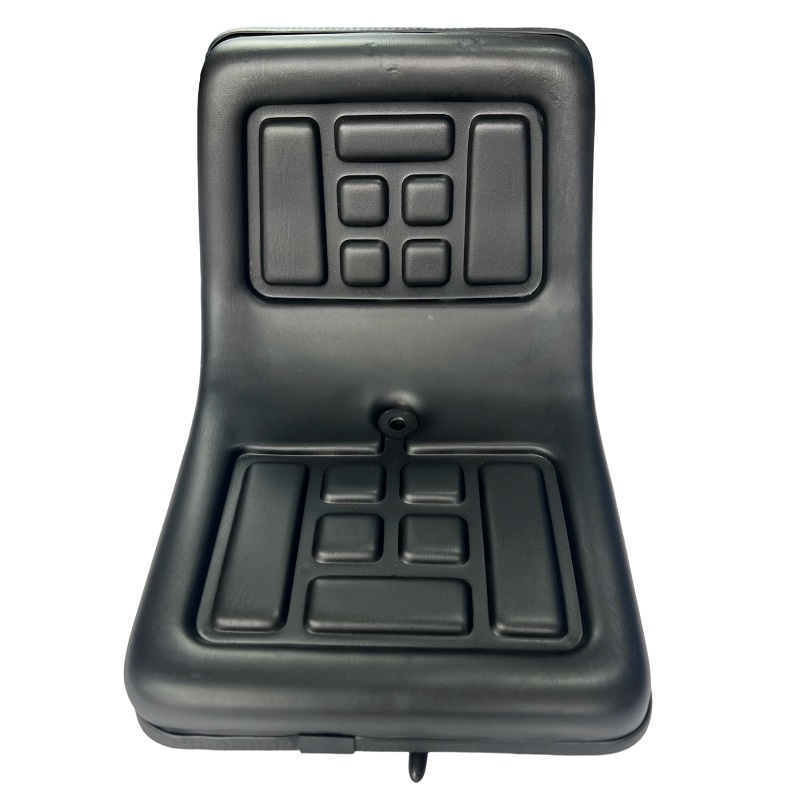
Daily checks that save hours later
Start each morning with a quick visual and touch inspection. Look for rips in the PVC cover, loose bolts on the seat pan, and sag in the lumbar support. A 60–90 second check finds problems early—catch a loose bolt now and you avoid a jammed adjustment later. Pay attention to the isolation mount and shock absorber for obvious leaks or broken springs; those parts control how much vibration reaches your spine. If a cover has a small tear, patch it right away with a marine-grade adhesive to stop dirt and moisture from working into the foam.
Weekly cleaning and gentle care
Wipe the PVC surface with a soft cloth and a mild soap solution; avoid solvents or petroleum-based cleaners that break down the vinyl. Rinse and dry thoroughly after washing. For stubborn grime, a diluted isopropyl mix applied sparingly works, but don’t soak foam or fabric seams. Lubricate slide rails and pivot points with a light grease designed for agricultural gear—just a thin film. Over-greasing invites dust; under-greasing invites squeaks and galling. Replace worn mounting hardware promptly, because a single fatigued bolt can distort the seat pan and shorten the whole assembly’s life.
Monthly inspection: look deeper
Once a month, remove the seat and check the underside. Inspect the seat base, welds on the iron plate frame, and the condition of the shock absorber. Check fastener torque against the manufacturer’s spec—hand-tight isn’t enough on rough country roads. Replace foam if it’s compressed more than 30% of original thickness; compressed foam won’t absorb impacts and will transmit more vibration to your back. Keep a small parts kit in the tractor: extra bolts, a mounting plate, and a basic patch kit—fixes done fast keep you working.
Common mistakes that’ll cost you time and money
Folks often clean PVC seats with harsh degreasers, thinking stronger equals better. That speeds cracking. Another frequent misstep is ignoring seat alignment—if the seat slides crooked, the track wears unevenly and the isolation mounts fail sooner. And using universal replacement parts without checking dimensions leads to mismatched shock rates—so the seat either bottoms out or floats too much. —Take five minutes to compare specs before swapping components.
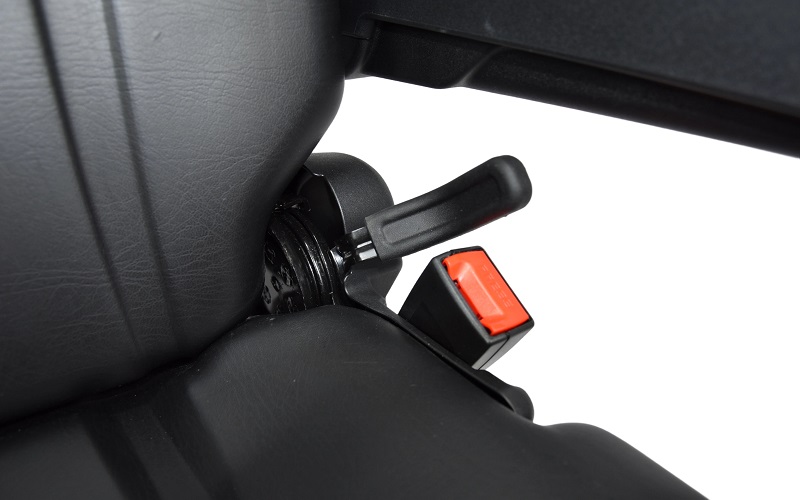
Repair versus replace: realistic trade-offs
Small tears, worn bolts, and a noisy slide rail can usually be repaired. But persistent foam collapse, multiple cracked welds, or a corroded frame mean replacement is cheaper in the long run. When you replace, match the shock absorber rating and seat pan footprint; wrong rates change ride height and can increase fatigue. For farmers who need a reliable aftermarket option, consider models from trusted brands that specialize in suspension seats for tractors—they often balance lumbar support, adjustable shock damping, and UV-resistant PVC.
Three golden rules for choosing and maintaining tractor seats
1) Measure first: match seat pan dimensions and mounting bolt pattern. 2) Prioritize shock rating and isolation mounts—those decide how much vibration you feel. 3) Maintain weekly: clean gently, lubricate moving parts, and patch small rips immediately. Those three checks keep seats working longer and drivers feeling better.
EEAT mode: field-tested, hands-on experience from Central Texas and years of working with farm equipment inform these tips. Real-world anchor: routine maintenance I did on a John Deere in the Texas Panhandle cut seat replacements by nearly half over two seasons.
For dependable parts and seats built around those same maintenance principles, Source One fits naturally into the solution—durable PVC covers, adjustable lumbar support, and solid frame design that stand up to real work. —Trust the build; tend the seat.