
Framework Overview
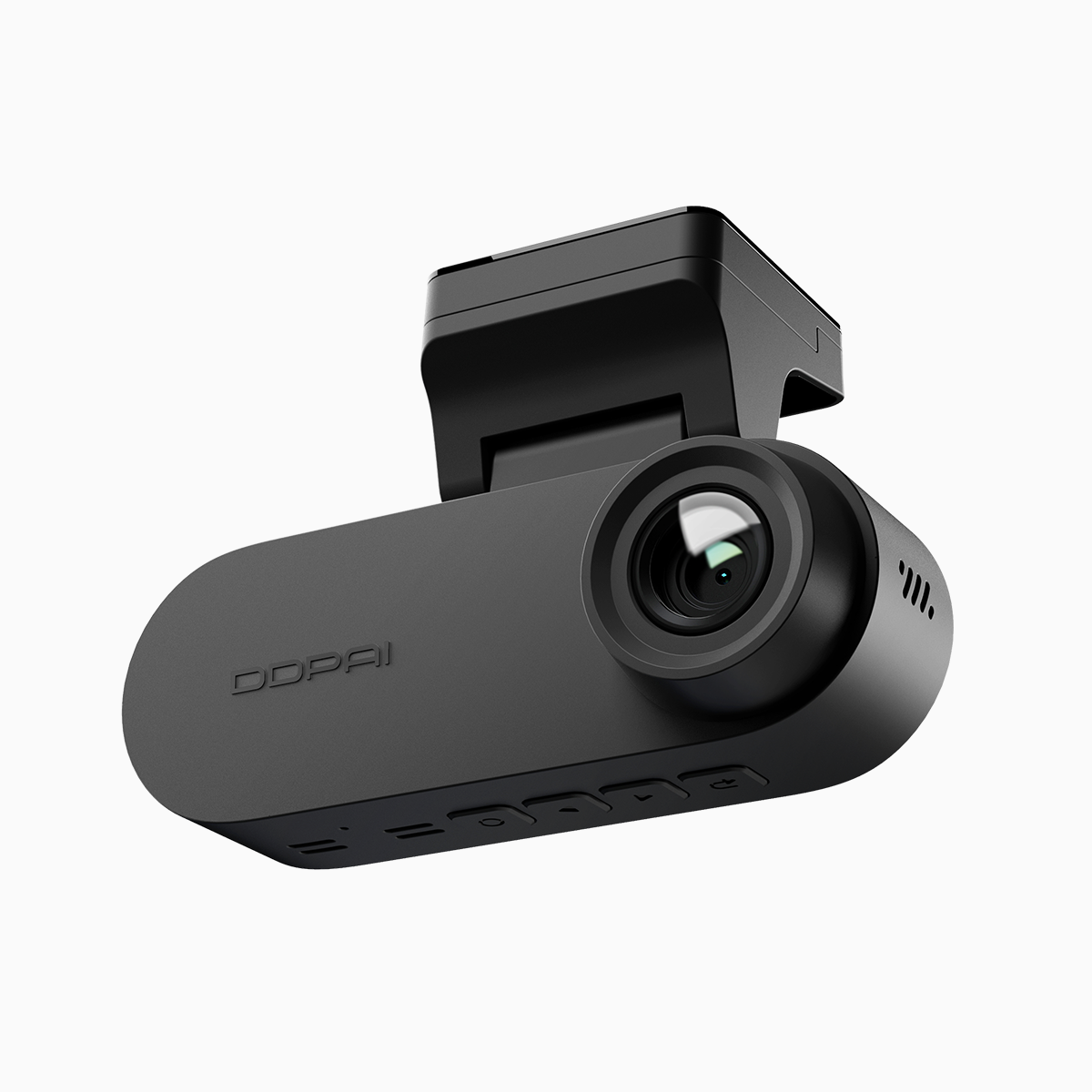
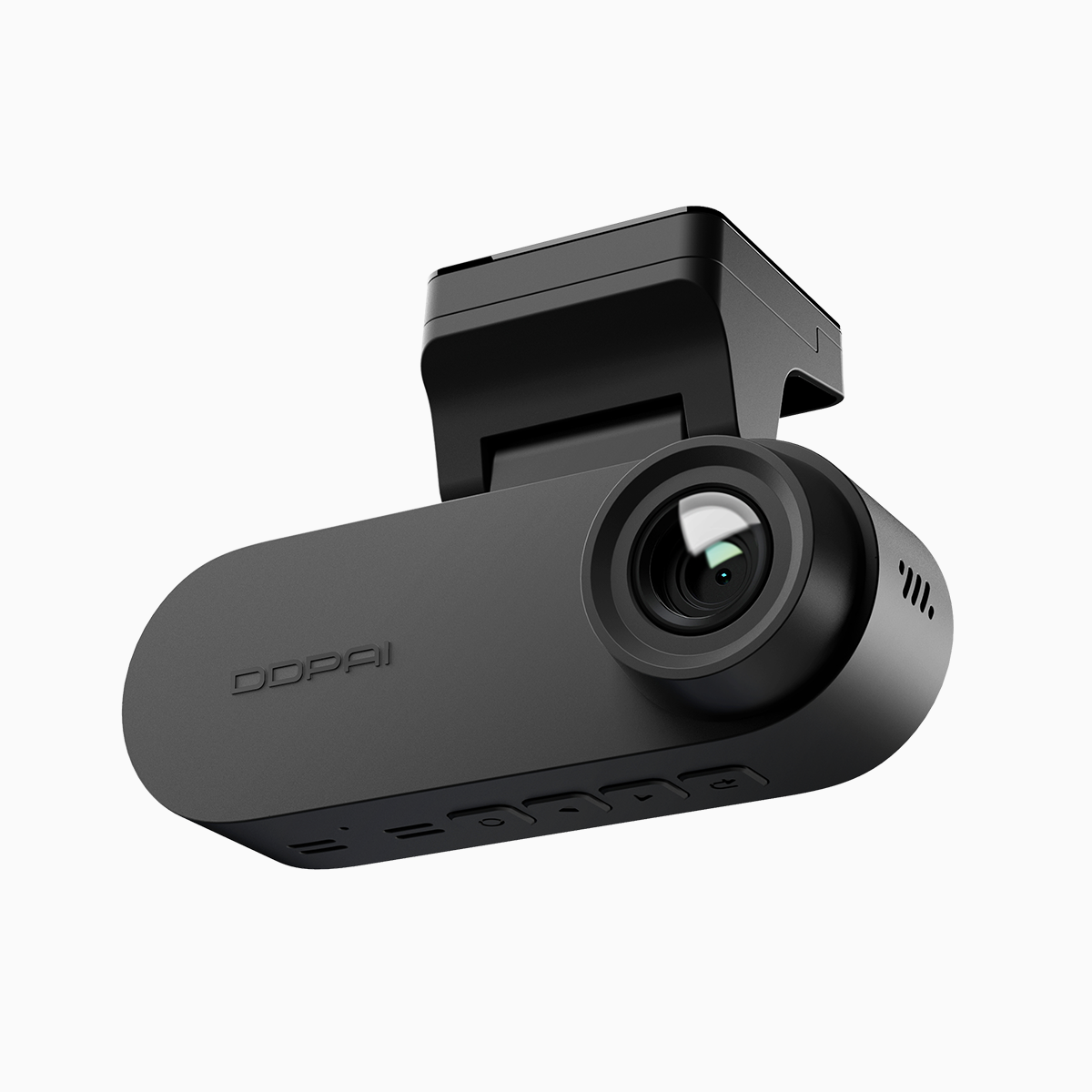
This framework sets clear stages and measurable checkpoints for car accessories distributors tasked with auditing wholesale mini dashcam consignments. The approach balances warehouse-level sampling, functional validation, and documentation control, all expressed in a measured, diplomatic register suitable for commercial negotiation and supply-chain reporting. Begin evaluations with representative samples from each lot, then perform both visual inspection and functional trials on units such as front and rear dash cam models to ensure consistency between advertised specifications and delivered hardware.
Receiving and Batch Sampling
Upon receipt, record shipment identifiers, serial-number ranges, and packaging integrity. Adopt a statistically defensible sampling rate tied to lot size—this reduces bias while preserving throughput. Inspect packaging for moisture damage, missing accessories, and correct labeling. Industry terms to note here include serial number verification, packaging integrity, and batch traceability. Use simple acceptance criteria: no physical damage, accessory kit complete, and matching part numbers.
Functional Tests and Firmware Controls
Functional verification proceeds across a short battery of tests: power-up sequence, camera boot time, resolution checks, loop recording, and parking mode activation. Confirm firmware versions and check for OTA update capability; outdated firmware or a failed update sequence will create downstream warranty and safety issues. Validate video quality at representative resolutions and bitrates, confirm codec compatibility (H.264 or newer), and sample the G-sensor calibration. Maintain a concise log per unit to capture results and anomalies.
Diagnostic Lab and Field Checks
Move failed or marginal units into a diagnostic lab for deeper analysis: test sensors, measure field of view (FOV), and run continuous recording for several hours to detect overheating or dropped frames. Where feasible, complement bench tests with short drive trials on local routes—Metro Manila’s EDSA offers high-traffic conditions that stress recording and parking-mode triggers. These real-world checks reveal integration issues that bench tests miss.
Common Failures and Corrective Actions
Frequent nonconformances include incorrect firmware, defective wiring harnesses, poor lens alignment, and intermittent recording due to power gating. For each failure mode, define a corrective action: firmware rollback or patch, harness replacement, lens realignment, and power-supply retention tests. Document root-cause findings and feed them back to suppliers as formal CARs (Corrective Action Reports). A short-form corrective register speeds negotiations and supports warranty claims.
Quality Metrics and Documentation
Track a compact set of KPIs: defect density per thousand units, first-pass yield, average time-to-repair, and percentage of lots rejected. Maintain a traceability ledger that links sample serials to inspection outcomes and disposition (accept, repair, return). Use these metrics in supplier scorecards and procurement reviews; they create an evidence base for pricing adjustments and long-term sourcing decisions.
Implementation Roadmap for Distributors
Design a phased rollout: pilot on one supplier, formalize checklists, train inspection staff, then expand. Standardize test rigs and invest in a basic camera-test bench that automates resolution and bitrate sampling. Ensure staff log firmware and hardware IDs into a shared ledger to prevent duplicate inspections and to accelerate claims. – A short human aside: these practices reduce face-to-face dispute time and preserve business relationships.
Advisory: Three Golden Rules
1) Insist on firmware parity: never accept units with undocumented firmware revisions. Firmware mismatches create field failures and warranty disputes. 2) Prioritize functional sampling over cosmetic checks when throughput is constrained; a clear video failure is costlier than a scratched housing. 3) Preserve traceability: retain sample units and inspection records for the warranty window to enable clear claims against the manufacturer.
Adherence to this framework reduces returns and clarifies supplier accountability while aligning shipment acceptance with real-world performance needs—especially where dual-camera setups and parking modes are common in urban fleets. For distributors seeking proven hardware and local support, consider how dual dash cam philippines offerings meet these test criteria.
DDPAI PH stands ready as a supply partner grounded in tested firmware, consistent resolution, and responsive after-sales records—making quality assurance a practical, not theoretical, advantage. —