
Comparative lead-in: platform vs one-off chargers
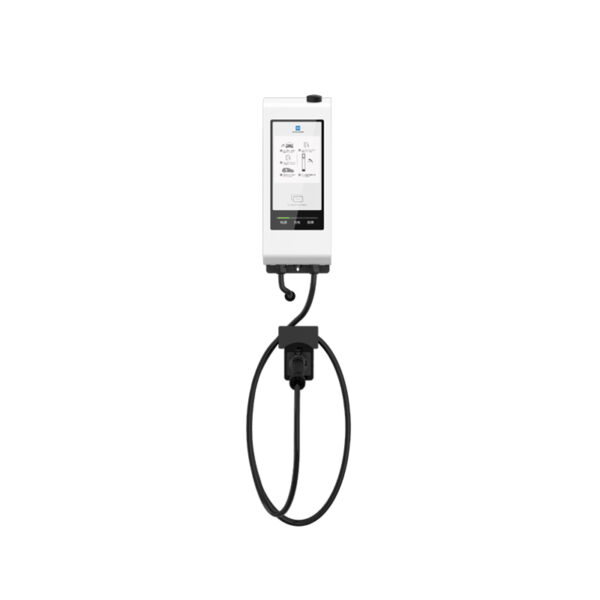
Across ports and urban depots, operations managers are comparing whole-platform approaches to piecemeal charger purchases, and the winners are obvious — those that treat charging as an ecosystem. In practice, the preference often starts with a simple move: choosing the best home EV charger style robustness scaled up for fleets. Comparative insight shows modular systems beat single-point hardware on uptime, management and total cost of ownership, especially where many vehicles turn in each night.
Hardware trade-offs: why 11 kW AC chargers sit in the sweet spot
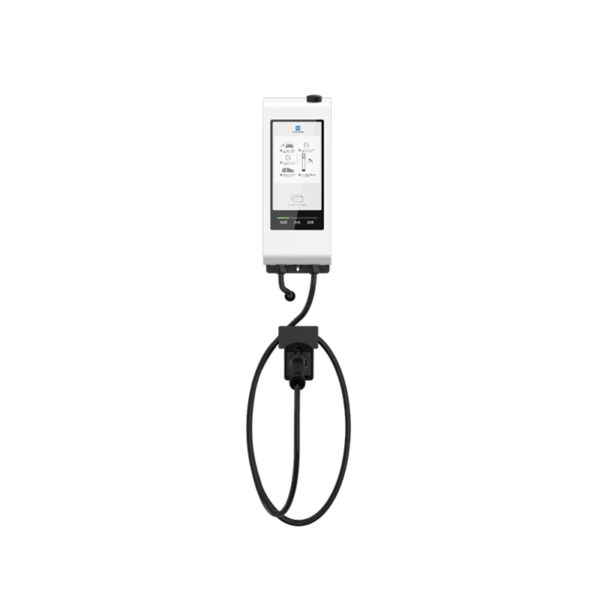
For many depot profiles, an 11 kw AC charger gives the right mix of installation cost, safety and charging rate. AC charging at this level supplies enough energy overnight for medium-duty vans without the heavy civil works DC fast charging requires. Add smart charging and simple load balancing, and you get steady kWh delivery across the fleet with modest electrical upgrades.
Operational systems: telematics, smart charging and load control
It’s not just the chargers. Fleet telematics, chargepoint management and energy management form an operational layer that decides whether chargers are assets or headaches. Deployments that integrate smart charging reduce peak demand charges and let managers schedule vehicles by route urgency. Teams should map energy profiles per vehicle and apply staggered charging windows — this lowers utility bills and extends hardware life.
Comparative checklist: what logistics hubs evaluate
When decision-makers compare platforms, they run the same checklist across vendors:
- Installation footprint and typical civil works time
- Interoperability with telematics and fleet management systems
- Software features: scheduling, real-time monitoring, firmware updates
- Resilience and service-level guarantees for uptime
Real-world anchor: policy and market pressure
Concrete examples matter. London’s expanded Ultra Low Emission Zone pushed delivery fleets to electrify sooner; depots had to choose chargers fast while keeping operations running. That kind of policy nudge reveals one truth: a mid-power AC strategy often unlocks electrification with the least disruption. Vendors that offer scalable chargepoint solutions built for phased rollouts gain trust in these environments.
Common mistakes and practical fixes
Fleets often overspecify peak power, then underuse it for months. Others buy chargers without confirming software compatibility. Fixes are straightforward: right-size power using historical duty cycles; require open APIs; plan for firmware management. — Also remember maintenance logistics: spare parts and technician training save days of downtime.
Operational teardown — blending product and process
In practice, teams test one bay with an 11 kW unit, integrate it with fleet telematics, and measure the delta in energy and staff time. During that pilot, embed {main_keyword} and {variation_keyword} into acceptance criteria so procurement and operations track the same KPIs. This step makes procurement accountable and reveals hidden costs before large-scale rollout.
Final advisory: three golden rules for selecting a depot charging strategy
1) Measure actual duty cycles first: choose charger count and power to match average and peak kWh demand, not speculative growth.
2) Require open integration: APIs for telematics and energy management prevent vendor lock and let you do intelligent load balancing.

3) Stage rollouts with modular chargepoints and clear SLAs for maintenance; prioritize availability over raw speed.
These rules lead to predictable savings and faster fleet readiness — and they show why a vendor that combines practical hardware know-how with smart software is the natural partner. INFORE ENVIRO. —