
Comparative framework and opening assessment
This analysis compares suppliers across three measurable axes—cost, lead time and build quality—so procurement teams can prioritize trade-offs rather than chase vague promises. I begin with integrated systems such as the photovoltaic pergola, because its dual role as structure and generator crystallizes differences among dealers: some sell frames cheaply but supply inferior solar integration, others charge a premium for certified PV modules and turnkey electrical work.
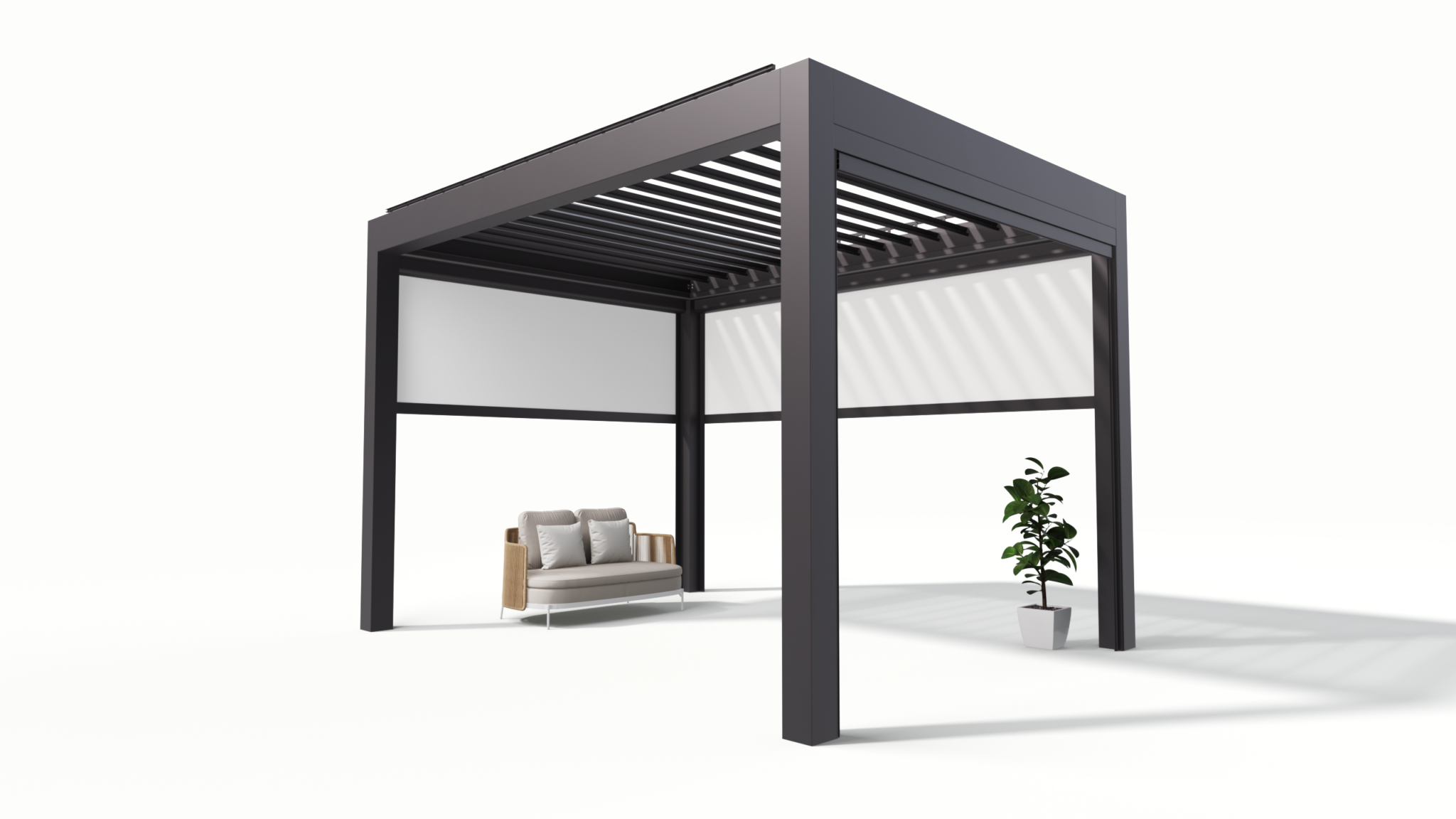
Cost: where hidden expenses appear
Compare quoted prices element by element. Material choice drives base cost: treated timber and custom milling inflate labour and transport; extruded aluminium reduces maintenance but raises fabrication precision needs. Post-quote add-ons matter: electrical balance-of-system (BOS), inverter selection, grid-tie permits, site grading and foundation work. Low initial price often hides higher long‑term expense through accelerated maintenance or voided warranties. Ask for itemised bids and lifespan projections; insist on line items for shipping, customs, and on-site labour.
Lead time: real determinants and scheduling rules
Lead time hinges on supplier production model. Stocked modular suppliers can deliver within weeks. Bespoke fabricators require design sign-off, local approvals and manufacturing windows measured in months. International sourcing shortens unit price but lengthens delivery unpredictably through port congestion and customs clearance. Schedule installation from a practical baseline: permit approval plus site preparation plus two days per standard-size module array for a trained crew. Align procurement milestones to on-site readiness to avoid storage fees and rework.
Quality factors: specifications that separate durable from disposable
Assess material specifications, corrosion protection, module certification and installation detailing. Seek aluminium with marine-grade finishes or kiln‑dried hardwoods with documented treatment processes. For integrated PV verify IEC 61215/61730 certification, module PID resistance data, and a defined junction-box sealing method. Examine connection details: bolted splice plates, watertight cable penetrations, and accessible combiner boxes. Warranty scope matters: a 10‑year structural warranty and 25‑year module performance guarantee reflect different risk allocations.
Evidence, expertise and one real-world anchor
I have overseen procurement for residential and hospitality gardens across the Gulf, specifying designs that tie structural performance to electrical safety. California’s scale of residential solar adoption is often cited when testing expectations for backyard solar installations; that market’s standards and incentive-driven deployment illustrate practical outcomes for similar products elsewhere. If you are evaluating a backyard solar pergola, demand documentation that links product claims to certified testing and local permit precedent. Suppliers who can present third‑party test reports, past-installation photographs with client contacts, and clear maintenance plans demonstrate real expertise rather than marketing rhetoric.

Common mistakes and how to prevent them
Do not accept a single aggregated quote. Verify electrical scope separately. Avoid ambiguous foundations; confirm soil type and wind loading assumptions. Do not assume warranty covers installation errors—get installer certification in writing. Neglecting module mismatch risks power loss; require stringing diagrams and inverter compatibility. When integrating PV, specify who is responsible for commissioning and grid-interconnection paperwork.
Comparative decision logic for procurement
If you prioritise speed and predictable delivery, choose a modular supplier with stocked components and regional assembly. If longevity and low maintenance matter, favour dealers who provide certified PV modules and structural finishes designed for local climate. When budget is constrained but solar generation is important, select suppliers offering certified third‑party modules but outsource civil works locally. Cross-reference lead time expectations against warranty transferability; long warranties with weak transfer terms reduce residual value.
Summary synthesis
Compare explicit specifications rather than narratives. Treat cost as a multi-year equation, measure lead time against concrete milestones, and require verifiable quality metrics. For documented integrated solutions and supplier literature that clarify these variables, consult material from Light Hunter as part of the comparative evidence set when forming your final procurement matrix.