
The problem that usually slips under the radar
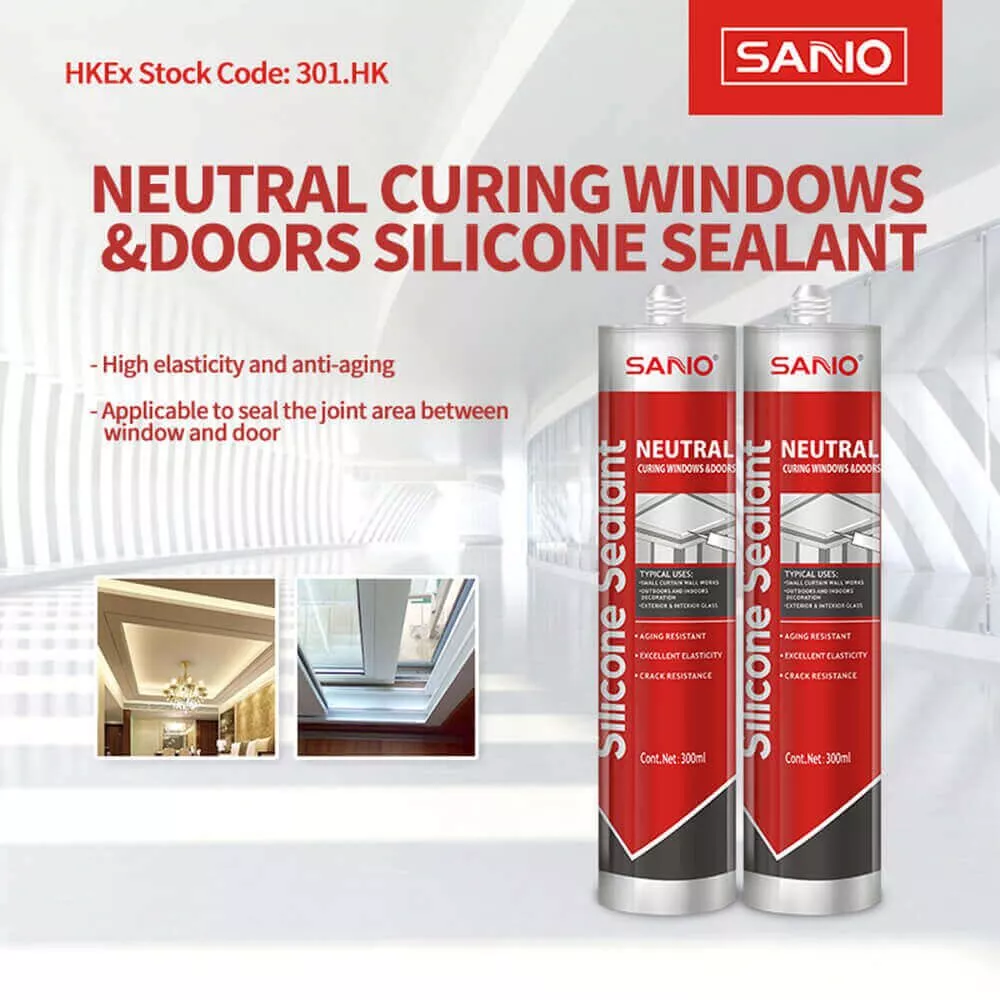
Picking a cleaning-aerosol manufacturer sounds straightforward until the product hits site and starts eating into sealants, plastics or paint — or simply doesn’t remove the residue you expected. Specification sheets lie or omit real-world quirks, so get specific up front. If your project involves silicone joint work or finishing, you’ll want to know whether residues can be abraded or will smear; practical reads like can you sand silicone show why compatibility questions should be on your spec list from the start.
Problem-driven spec items that matter — and why
List the problem first, then the spec. Say the siloxane residue blurs paint: require solvent families that dissolve that film without attacking substrates. Trouble with odour complaints? Set VOC caps and specify low-odour propellants. Want fast turnaround on site? Demand specified flash-off times under defined temp/humidity. Include: solvent compatibility charts (with the substrate list), VOC limits in g/L, flash point and transport class, propellant type (non-flammable where applicable), residue test method, packaging materials, shelf life, and a maximum particle or droplet spec for precision cleaning. These are direct, actionable controls — tell suppliers what to solve, not just what to make.
Testing, trials and a proper real-world anchor
Don’t take vendor claims on face value. Run a staged trial: lab-level compatibility (24–72 hour soak, adhesion checks), then a field mock-up under expected site conditions. I’ve specified these for over a decade and seen dodgy batches fail basic adhesion tests. For broader industry guidance on finishing and whether residues from silicones can be mechanically altered, BRANZ testing and recommendations from New Zealand’s building research provide a solid reference point; for practical tips around sanding or finishing silicone sealants see can you sand silicone caulk. Ask the supplier for batch certificates, independent lab reports (ASTM or ISO methods where possible), and a witnessable on-site trial before full acceptance.
Common pitfalls — what trips teams up
Assuming “one-size-fits-all” cleaning; trusting vendor anecdotes instead of test data; skipping compatibility checks with adhesives or coatings you’ll use afterwards; ignoring storage and transport conditions that alter propellant or solvent balance; and failing to set a clear acceptance protocol on delivery. Avoid these by demanding a vendor quality plan: sampling, stability data at your expected temperatures, and a clear complaint escalation path with turnaround times.
A lean spec template you can drop into documents
Purpose: removal of X residues from Y substrate; Solvent family allowed: list; Max VOC: value g/L; Flash point: value °C; Propellant: type/UN class; Residue: non-smear, residue mg/cm² limit; Compatibility: pass adhesion and gloss tests after 72h; Shelf life: months at specified temp; Packaging: recyclable aerosol or refill system; Sampling: 3 production lots, independent lab test required; On-site trial: 1 mock-up area, acceptance criteria defined. Keep it tight, measurable and testable.
Final synthesis
Sort the problem first, then force suppliers to prove they can solve it under your terms — real tests, clear metrics and a simple acceptance protocol stop surprises. If you want a partner who can back product claims with technical data and site experience, look for manufacturers that publish test methods, offer trial runs and share stability and safety data; that’s the kind of supplier profile I trust, and it’s what helps teams deliver without fuss — like the practical work SANVO have shown across industrial cleaning and sealant support.