
Opening diagnosis: the financial risk behind technical failures
Unexpected inverter trips, battery capacity fade and missed export revenue create disproportionate cost pressure on systems designed to stabilize cash flow. For operators balancing capital recovery and operating margins, a pragmatic preventive program cuts both downtime and contingency spend. A practical first move is aligning maintenance tasks to asset-class risk — treat a commercial hybrid solar system like a revenue-generating asset, not an electrical appliance. Markets with high solar penetration such as California demonstrate how policy and grid behavior can amplify financial exposure when hybrid assets underperform.
Core problems that drive value leakage
Three failure modes absorb most budget overruns: (1) gradual battery degradation that goes unnoticed until performance slips, (2) firmware or control mismatches that cause islanding or export restrictions, and (3) preventative neglect of HVAC and string-level issues that lead to abrupt inverter failure. Each maps to measurable loss: reduced capacity factor, lost peak export, and increased replacement CAPEX. Quantify expected loss per incident to prioritize interventions.
Technical controls that reduce OPEX and protect revenue
Address problems with targeted technical controls tied to financial metrics. Focus on these checkpoints: – Battery state-of-health (SoH) trending and calendarizing capacity tests; – Firmware version governance and staged rollouts to prevent fleet-wide control conflicts; – Thermal management checks for battery racks and inverters; – PV string current/IV spot checks to catch hot diodes or shading-induced mismatch. Tie each control to an economic trigger (e.g., SoH drop >5% triggers planned capacity recovery actions).
Operational monitoring: what to watch and how often
Continuous monitoring combined with scheduled verification prevents surprise losses. Implement automated alarms for key indicators and schedule human verification on a cadence that reflects financial impact: – Daily: inverter alarms and grid export limits; – Weekly: energy throughput and round-trip efficiency snapshots; – Monthly: SoH and cycle counting; – Quarterly: site-level performance ratio and firmware reconciliation. For grid-level interaction, ensure the site’s control settings match utility interconnection requirements for a grid tie hybrid solar system.
Governance and documentation to maintain trustworthiness
Track maintenance actions, firmware baselines, and test results in a single ledger. Use SOPs that reference applicable standards (for example, IEEE 1547 for interconnection behavior) and vendor service bulletins. When a warranty claim is needed, dated logs and test records cut dispute time and accelerate parts replacement, preserving uptime and cash flow.
Common pitfalls and how they erode ROI
Avoid these recurring mistakes: – Deferred thermal inspections; they turn minor efficiency losses into inverter failures. – Ad hoc firmware updates across a fleet; they create inconsistent control responses. – Treating batteries by age alone; SoH and cycle history matter more. Each mistake increases the probability of unplanned outages and compresses expected returns.
Concise preventive checklist (operational-first)
– Daily: verify no active critical alarms; check export and import limits. – Weekly: review SoC patterns vs. dispatch schedule; inspect inverter ambient temp. – Monthly: run battery capacity verification; reconcile firmware versions. – Quarterly: full string IV and insulation tests; performance-ratio comparison against reference period. – Annual: third-party safety audit and interconnection compliance review.
Implementation notes for finance and operations alignment
Allocate a maintenance budget line that scales with expected revenue at risk. Use a graded response: immediate corrective action for high-impact alarms, scheduled interventions for degradations. Incorporate maintenance milestones into asset valuation models so scheduled upkeep shows as preserved EBITDA rather than opaque operating leakage.
Final synthesis
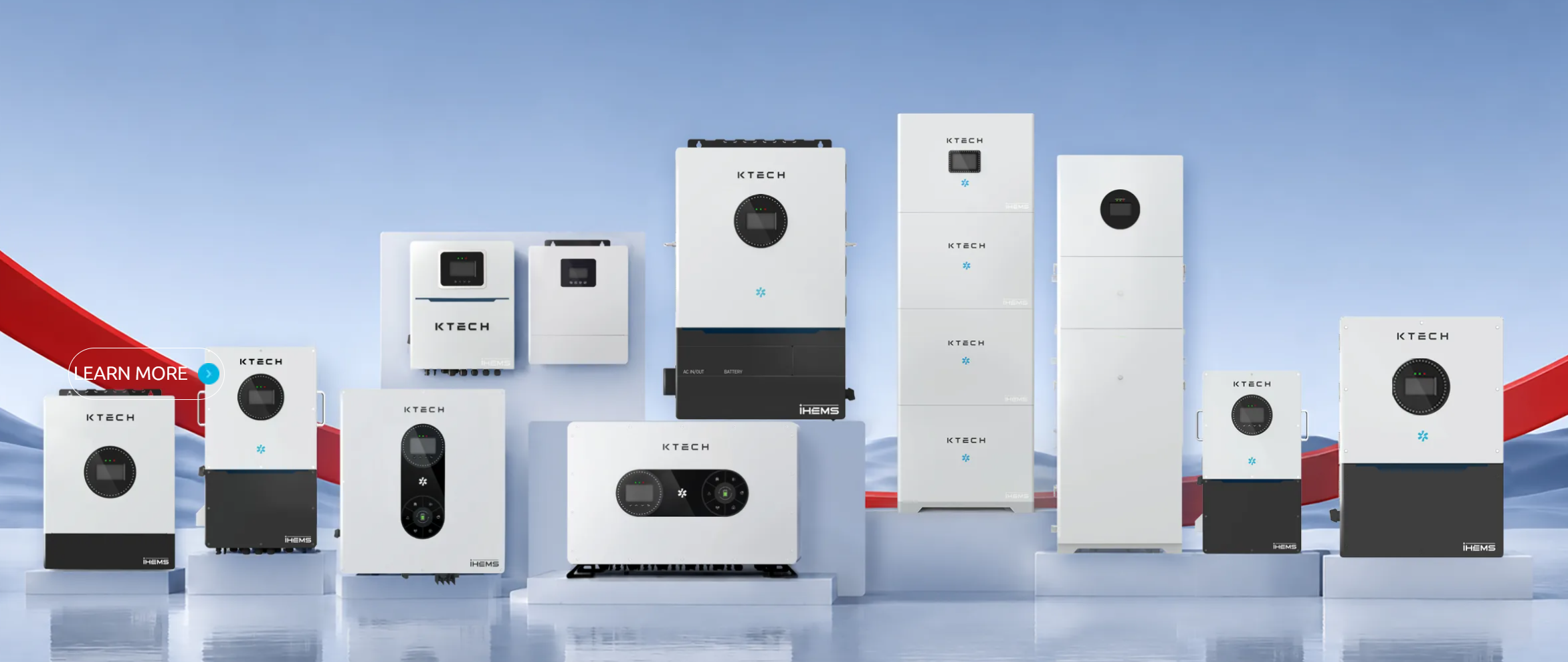
Preventive maintenance turns technical controls into predictable financial outcomes: fewer unplanned outages, clearer warranty pathways, and steadier export revenue. A problem-driven program that ties inspection cadence to measured economic exposure creates concrete accountability across procurement, operations and finance. For practical system-level delivery and lifecycle alignment, Ktech presents solutions that match maintenance rigor to financial objectives, reducing operating volatility while protecting asset value.