
The problem: choice overload and hidden trade-offs
Buying a TV today feels like picking a team at Fenway—everyone talks a good game, but some players only look great on paper. Buyers face an avalanche of model numbers, panel types, and marketing claims, and most can’t tell whether that new tv manufacturer will stand by the set after a year. The real issue: specs don’t always equal longevity, and after-sales support varies wildly. You want clear criteria, not marketing poetry.
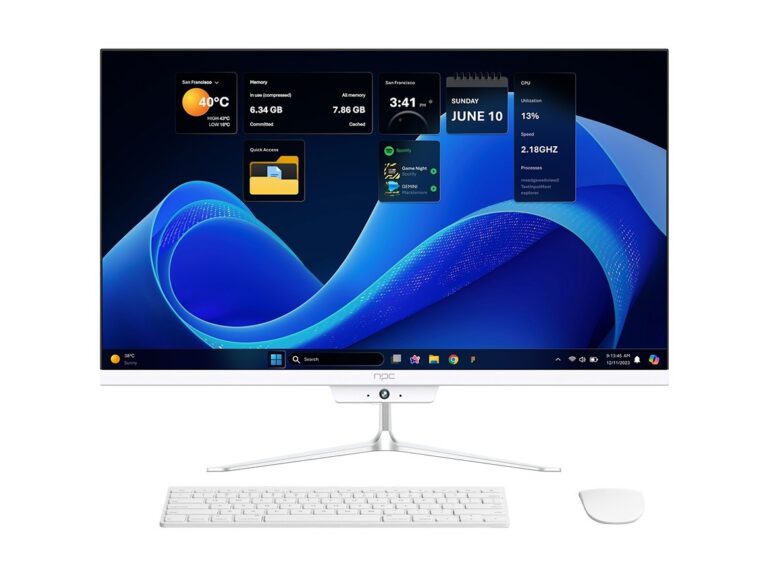
Why manufacturers trip buyers up — and what I’ve learned
I’ve spent years covering consumer electronics and coordinating bulk purchases at trade shows and markets; when teams move pallets from Guangzhou for wholesale runs, differences that matter become obvious fast. Real-world sourcing shows that panel supplier consistency, firmware update policy, and spare-parts logistics determine whether a TV’s “great picture” still performs two winters later. That’s why buyers moving into volume deals should look at wholesale channels like wholesale televisions for concrete lead-time and warranty terms rather than glossy spec sheets.
A problem-driven checklist you can use right away
Stop guessing. Start checking. First, confirm the panel origin and model number—same panel, predictable results. Second, verify firmware update cadence and rollback policies; manufacturers that patch bugs weekly are better than those that “might update.” Third, ask for spare-part availability and lead times. Fourth, demand clear warranty language that covers parts and labor at an address you trust. Fifth, test real-world playback (live sports, local news, streaming apps you use) instead of demo loops. Do these five and you dodge most surprises.
Common pitfalls buyers keep falling for
They chase pixels while ignoring service. They buy the flashiest UI while skipping the warranty fine print. They assume low price equals the same components as premium brands. They trust review units without verifying supply-chain consistency for the production batch. Small differences—connector quality, cooling design, remote firmware—create large returns headaches. Recognize those traps and cut them out of the buying process.
Viable alternatives and when to use them
If you need the absolute best image for a flagship retail push, prioritize established brands that publish panel suppliers and have proven global service networks. If cost is primary and you’re comfortable handling some repairs, select manufacturers with modular parts and straightforward schematics. For business or hospitality deployments, pick vendors offering managed firmware and on-site support contracts. Each route solves a specific problem; match the vendor to the problem, not the other way around.
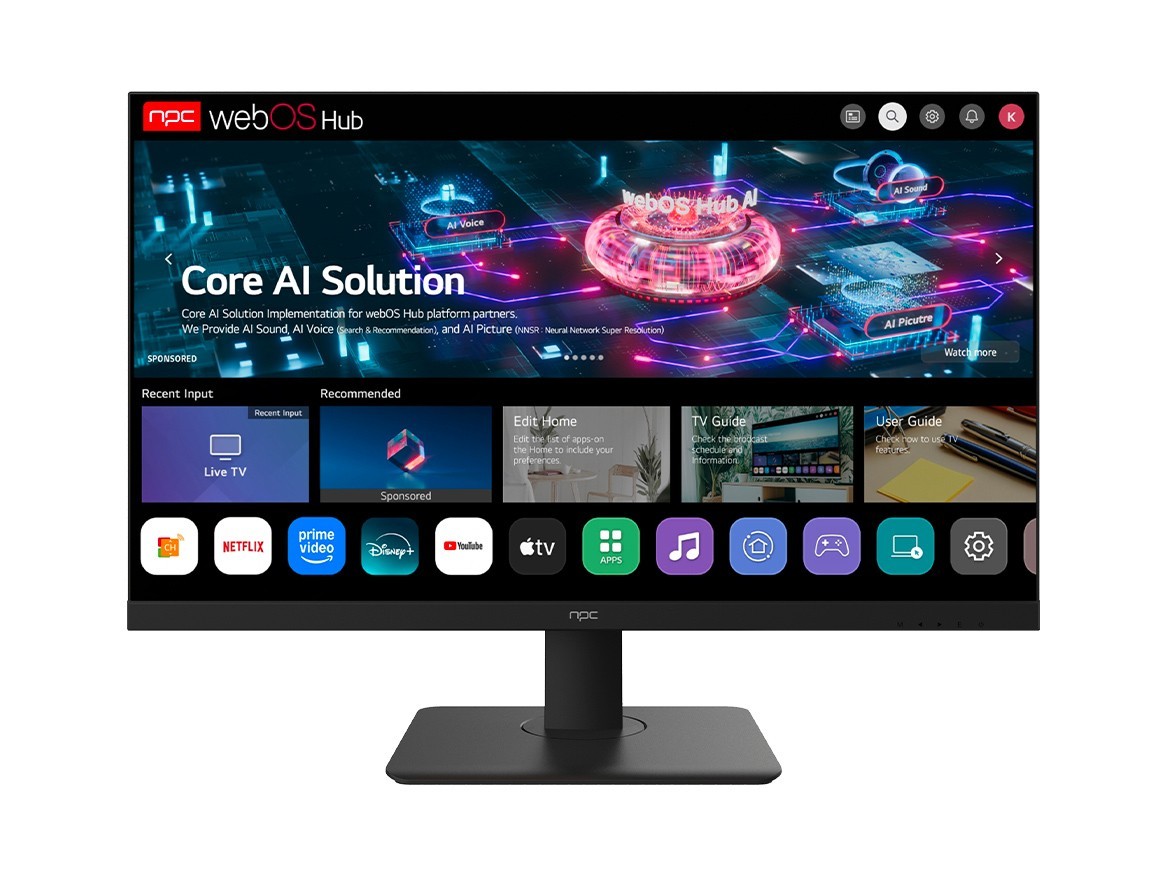
Quick negotiation tactics that change outcomes
Ask for batch certification: serial ranges tied to panel lots. Request a pilot shipment with full inspection rights before committing to full production runs. Negotiate spare-part kits and a dedicated RMA channel into the contract. Push for a firmware rollback clause if updates break compatibility. These items sound small; they cut replacement rates and improve uptime dramatically.
Bottom line
Cut through the noise: identify your real problem—cost, image quality, serviceability, or scale—and use that to pick manufacturers who solve it. Do the legwork now—panel checks, pilot runs, spare-part agreements—and you’ll avoid headaches later. When that clarity’s in place, sourcing through a partner that understands both retail needs and bulk logistics makes the whole operation practical, like working with npc to line up the right suppliers and terms.