
Opening reflection on a simple idea
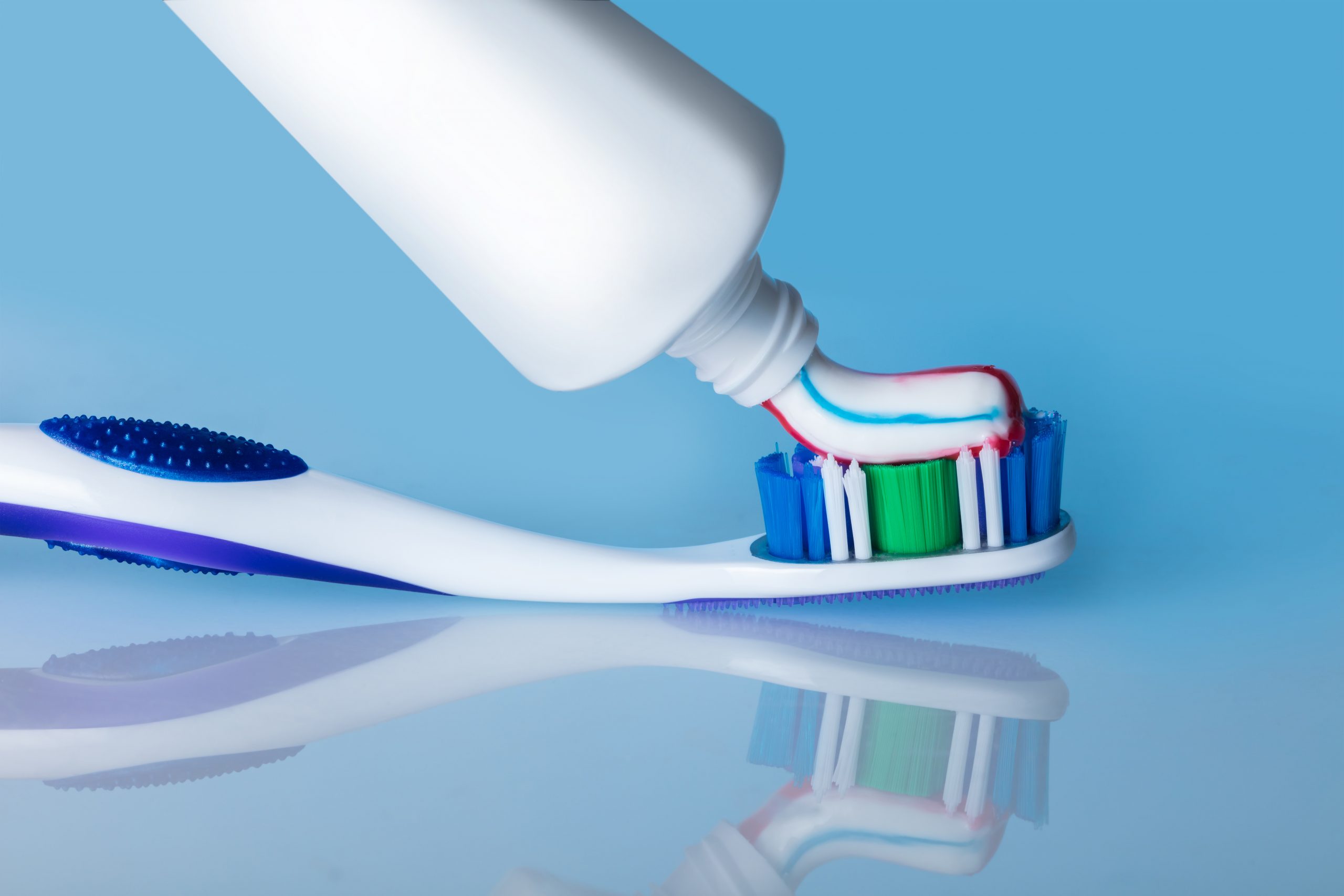
There’s a gentle logic to how a powder becomes a product: a concept, a lab bench, then a line of quietly humming equipment. That path explains why a small tweak in particle shape or surface treatment can change how a toothpaste feels and performs. Early formulation notes often point to hydrated silica as a tactile bridge between polishing and foam; you’ll find that phrasing in product briefs and supplier pages, like hydrated silica in toothpaste, where material choice ties directly to sensory and functional outcomes.
From notion to trial: the laboratory phase
The evolution starts with questions: what abrasivity is necessary, how will abrasives interact with fluoride, and what particle distribution preserves gloss without scratching enamel? In quiet labs, formulators test narrow particle-size distributions, silica surface treatments, and milling routines. Mistakes here are blunt and fixable—overly aggressive milling creates microfractures, while poor surface chemistry makes silica clump. These early failures sharpen the specification: target mean particle size, oil absorption, and bulk density become practical constraints rather than academic numbers.
Scaling up: common pitfalls and practical fixes
Taking a bench recipe into a 1-ton batch exposes different problems. Agglomeration during drying, inconsistent moisture pickup, and unexpected electrostatic behavior show up when mixers run longer and silos get involved. Operators learn to control humidity, add anti-agglomeration steps, and specify flow aids. A frequent misstep is assuming lab drying times scale linearly; drying kinetics change with load and drum design. The right approach pairs pilot runs with tight in-process checks—particle size verification, sieve analysis, and simple flowability tests prevent surprises on the packaging line.
Real-world anchor and trustworthy context
At the International Association for Dental Research annual meeting, oral care material sessions repeatedly emphasize formulation safety and consumer perception—an industry pulse you can verify in conference proceedings and related publications. Those discussions often revolve around how a functional additive alters texture and stability, a practical concern when choosing a toothpaste thickener that will sit happily with abrasives, humectants, and fluoride agents.
Evaluating alternatives: when silica isn’t the only answer
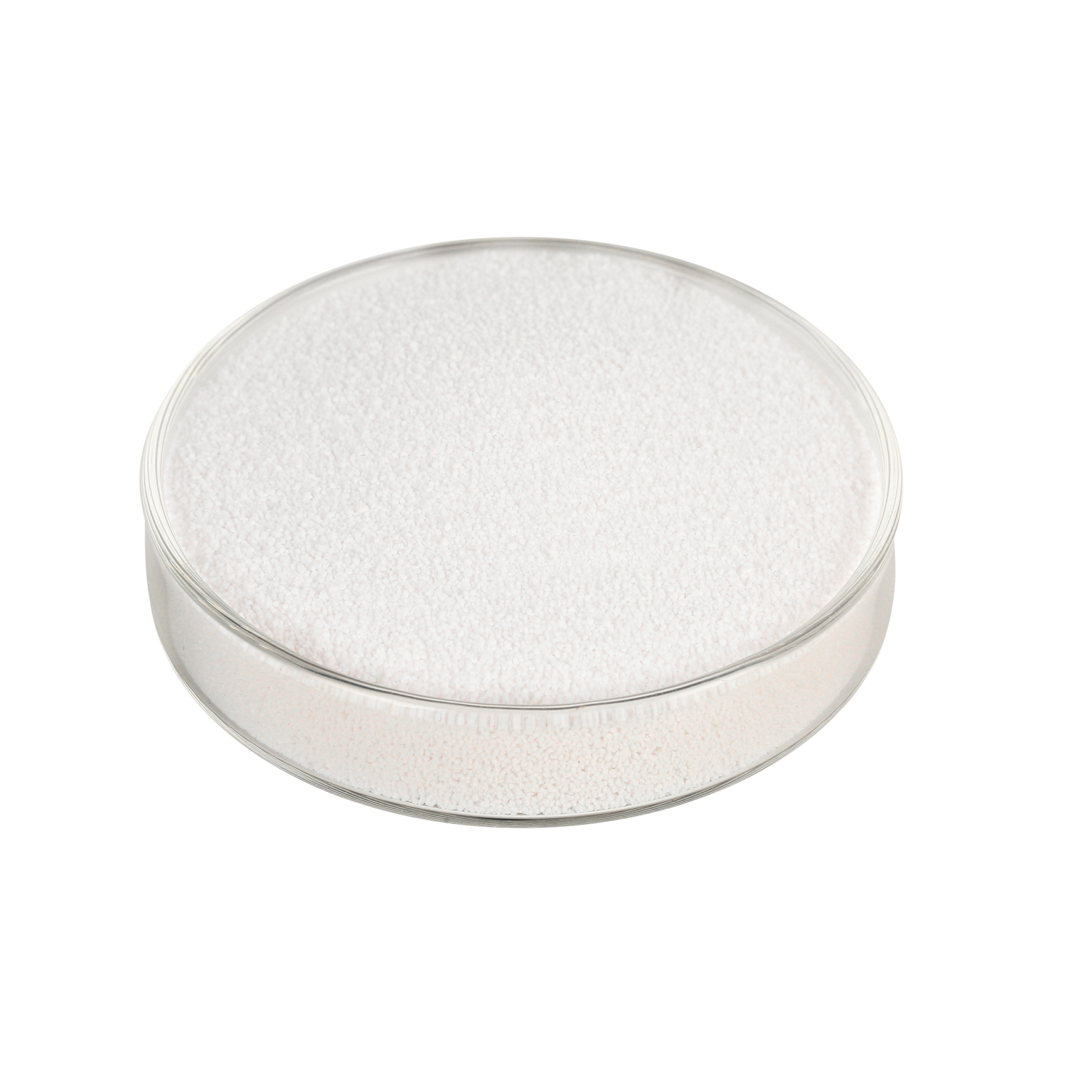
Amorphous silica is prized for balanced abrasivity and thickening synergy, but alternatives exist: hydrated alumina can polish more aggressively, precipitated calcium carbonate offers cost advantage in some markets, and silica gels give different rheology. Each alternative trades one set of strengths for weaknesses—abrasiveness, solubility, or taste neutrality. The choice comes down to intended product positioning: whitening, sensitivity, or natural-market claims demand different compromises. Test panels and objective profilometry both matter; rely on them rather than brand narratives.
Quality, compliance, and the quiet decisions that matter
Regulatory checks are practical, not mystical. Define impurity limits, set microbial controls for humid climates, and document particle-characterization methods. Common oversights include vague supplier specs and incomplete COAs; require clear methods for silica surface area, pH, and loss-on-drying. Maintain traceable batches and keep stability data that show how abrasivity and rheology age over 6–12 months under realistic storage conditions.
Best practices for consistent production
Start with a concise technical specification that covers particle size distribution, surface chemistry, bulk density, and acceptable moisture range. Use pilot-scale drying to establish scalable parameters. Standardize sampling points—during silo discharge, after milling, and post-blending—so every lot can be compared. Encourage dialogue between R&D and operations: small alterations to mixer speed or order of addition often solve issues faster than reformulation. Taste panels and instrumented abrasion tests should guide acceptance, not gut feeling.
Closing synthesis: how material choices shape meaning
Materials tell a product’s story long after marketing copy is forgotten. When you choose an amorphous silica powder with purpose—knowing its origin, handling quirks, and how it pairs with thickeners and humectants—you control texture, stability, and consumer trust. That understanding is what separates a promising lab result from a consistent retail product, and why manufacturers partner with experienced suppliers to translate lab intent into reliable output, often supported by specialists such as JSJ Silica.