
Why procurement keeps stalling (and what to fix first)
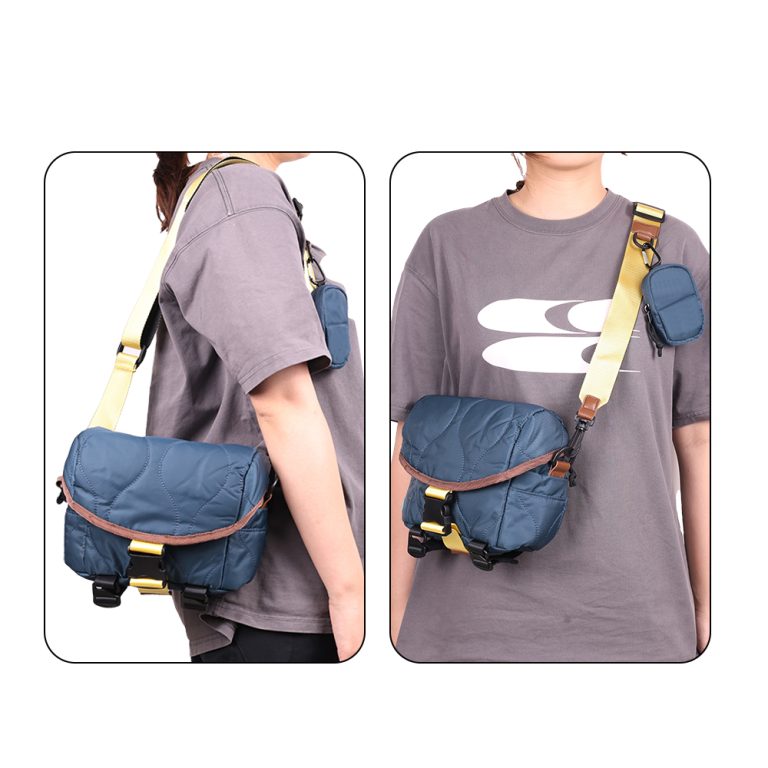
Procurement teams stall when specs are vague, suppliers overpromise, and compliance slips into a checklist mindset. That’s why you need clarity up front—material, performance, traceability—and a simple example helps: when a production brief wants a compact, durable option for photographers, like a camera sling bag, you must translate “eco” into measurable requirements before asking for quotes.

Core checklist: material and sustainability specs
State specific materials and acceptable alternatives: recycled PET (rPET) with minimum 50% post-consumer content, certified organic cotton with a max dye-impact score, or TPU-coated recycled nylon. Specify required certifications (GRS, GOTS, OEKO-TEX) and call out banned inputs (PVC, per- and polyfluoroalkyl substances). Add clear performance thresholds—abrasion cycles, water resistance, tensile strength—so bids are comparable.
Supplier vetting: red flags and verification steps
Don’t trust claims alone. Ask for: audited certificates, recent third-party lab reports, factory photos and floor plans, and proof of workers’ rights policy. Red flags: inconsistent document dates, reluctance to show production samples, or vague supply origins. Require a virtual factory tour and an in-person audit plan for any supplier handling >30% annual volume.
Sample protocol and testing workflow
Insist on a three-stage sample program: prototype (design fit and function), pre-production sample (final materials and hardware), and production run-off sample (full lot QA). Define tests and acceptance criteria for each stage—zipper cycles, strap load, seam strength, colorfastness—and lock down who pays for re-tests to avoid disputes.
Costing, MOQ and lead-time guardrails
Set clear expectations: list target FOB price range, acceptable MOQ brackets, and realistic lead times with built-in buffers. Require suppliers to break down material, labor, overhead, and margin so you can spot improbable low bids. Include penalty clauses for unjustified rush fees and a phased ramp plan to reduce risk at launch.
Quality assurance on the line and post-shipment
Define in-line sampling rates, AQL thresholds, and corrective action timelines. Use a pre-shipment inspection checklist tied to the sample approvals and include photo evidence for failed lots. Add a 30–90 day warranty period protecting against workmanship failures discovered after retail launch.
Traceability and carbon basics
Map the supply chain: raw material origin, yarn spinning, fabric finishing, assembly, and trim sources. Require a simple chain-of-custody document and baseline CO2e estimates per style using supplier data. Prioritize suppliers with traceability platforms or an established disclosure process for scope 3 data.
Packaging, labeling and end-of-life instructions
Specify recyclable or compostable packaging with clear labeling. Mandate a consumer-facing care label that explains recyclability or reuse. If you claim compostability, require ASTM or EN test certificates for the packaging material and avoid vague terms like “biodegradable.”
Common pitfalls procurement teams make
Teams often skip full-scope testing, accept unverified certificates, and fail to lock technical specs into contracts. Another mistake is treating sustainability as a one-time checkbox instead of a continuous verification task. Fix these by budgeting for audits, lab testing, and periodic supplier re-evaluation.
Alternatives and trade-offs
If rPET costs too much, evaluate recycled-nylon blends or certified virgin materials with longer lifespans—sometimes durability beats recycled content for overall impact. For hardware, consider recycled metal or bio-based plastics but weigh cost, durability, and recyclability before switching.
Experience, evidence and verification
I’ve seen specification clarity cut lead-time disputes by half at multiple brands, and trade shows like Photokina in Cologne consistently show how small design changes improve functionality for photographers. For evidence-driven checks on camera-focused designs, reference recent category exhibits and supplier showcases for photography sling bags, then require matching lab data and field tests to back claim-to-performance alignment.
Final synthesis
Fix procurement delays by translating “eco” into measurable specs, forcing transparency, and formalizing sample and test gates. That approach reduces disputes, speeds launches, and keeps product claims honest—often aligning you quickly with manufacturers that already meet those standards, like the product lines I review from ChangRong.