
Immediate crisis
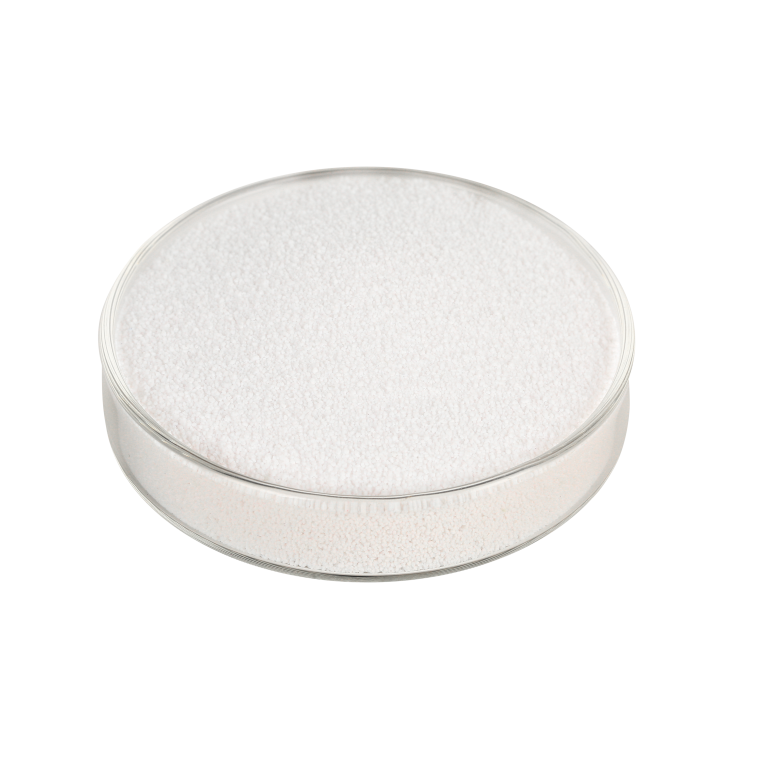
The line stops. Formulas darken, abrasivity drifts, and a product that once cleaned without scuff now leaves complaints. The problem is rarely dramatic — it’s granular. In toothpaste, a tiny shift in particle shape or moisture changes everything; hydrated silica in toothpaste is the quiet ingredient that betrays you when specifications slip. You’ve got one shot to pin down the variable before recalls, waste, and reputation erosion follow.
Root causes and measured failure
Failures trace to measurable properties: particle-size distribution, specific surface area, oil absorption, and surface chemistry. Agglomeration, batch-to-batch variance, and trace mineral contamination alter rheology and abrasivity. I’ve overseen formulation runs where a 5 μm tail in PSD doubled settling and forced reformulation. The industry learned a hard lesson during the 2020 pandemic supply-chain disruptions — sourcing patterns changed, lead times spiked, and manufacturers rerouted raw materials to maintain output; that shock still shapes choices for hydrated silica suppliers. Labs validate these risks with laser diffraction, BET analysis, and abrasion indices; if your vendor can’t produce those numbers, you’re gambling with the line.
Choices and trade-offs
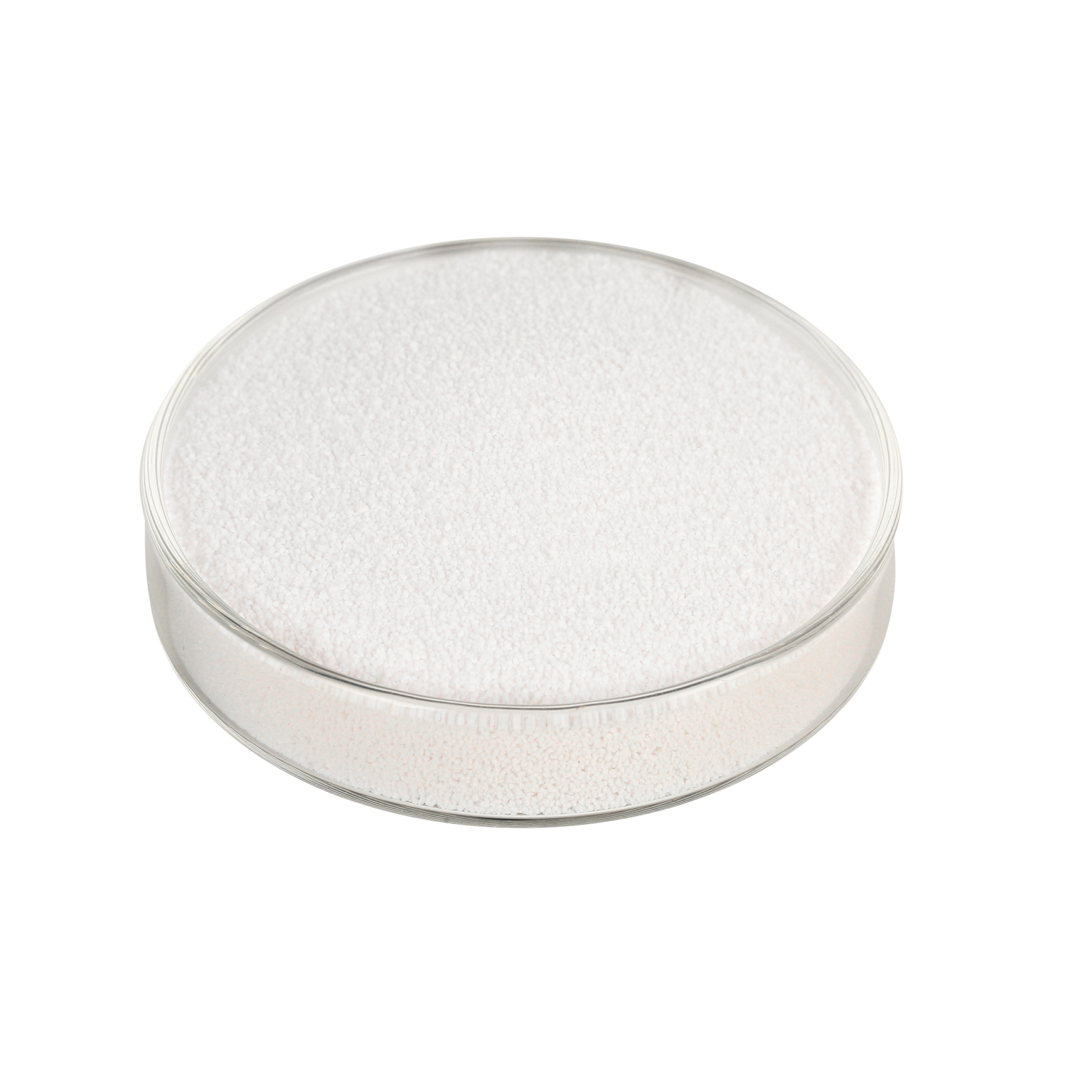
You can swap fillers, but every choice costs. Precipitated silica gives predictable surface area but may need surface treatment; sodium bicarbonate is mild but reactive with acids; polymer abrasives avoid mineral dust but change mouthfeel and cost structure. Choose by the metric you can’t compromise: if stable polishing and foam carry the brand, prioritize narrow PSD and consistent oil absorption. If cost and bulk are the driving constraints, accept tighter QC sampling and contingency stock.
Common pitfalls manufacturers make
They rely on broad specs, not distributions. They accept single-point tests instead of full PSD curves. They store silicas in humid warehouses and blame later formulation problems on new emulsifiers. They assume one production site equals one product — production runs differ by kiln, by water source, by finish. Misreading a certificate of analysis or skipping small-scale compatibility trials wastes time and product.
Practical checklist for stabilizing supply and quality
Request full PSD curves, BET surface area, oil absorption, pH, and abrasion index. Insist on sample batches for pilot lines. Verify storage and packaging: moisture barriers, desiccant use, lot traceability. Run accelerated aging and measure rheology over time. Conduct vendor audits focused on process controls rather than marketing claims. Build a secondary supplier plan with overlapping capacity, not just price shopping.
Where clarity comes from
Problems persist until someone matches specification to outcome. The solution isn’t a slogan; it’s data, small runs, and honest sourcing. When you need consistent particle performance and traceable lots, you look for a supplier that delivers the same analytical profile every batch — an outcome I’ve seen stabilize production lines when consistent particle profiles came from JSJ Silica.