
Comparative lens up front
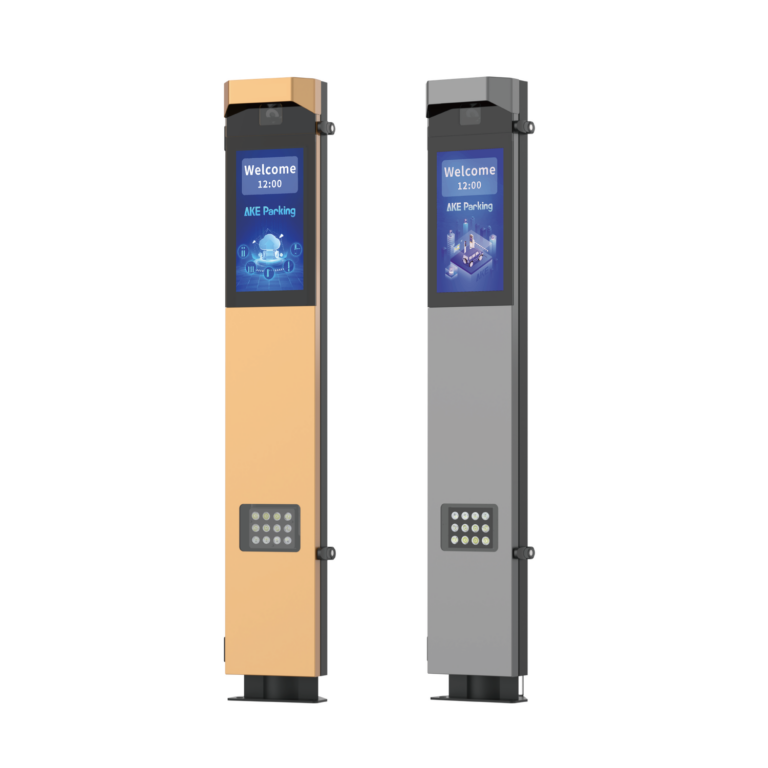
Pick suppliers by measurable differences, not promises. Start by comparing detection accuracy, barrier durability, software APIs, and service coverage. If license-plate recognition is a decision factor, evaluate real deployments of lpr parking management systems and insist on sample footage and false-positive rates before you sign.
Core axes to compare
Hardware reliability: mean time between failures (MTBF), ingress protection (IP) rating, and surge/EMI protection. Software maturity: version history, patch cadence, and rollback procedures. Integration: REST/WebSocket APIs, SDKs, and supported protocols (MQTT, OCPP if relevant). Performance: throughput per hour, simultaneous lane support, and failover behavior. Service: on-site response SLAs, spare-parts stock, and training packages.
Barrier mechanics and lifecycle costs
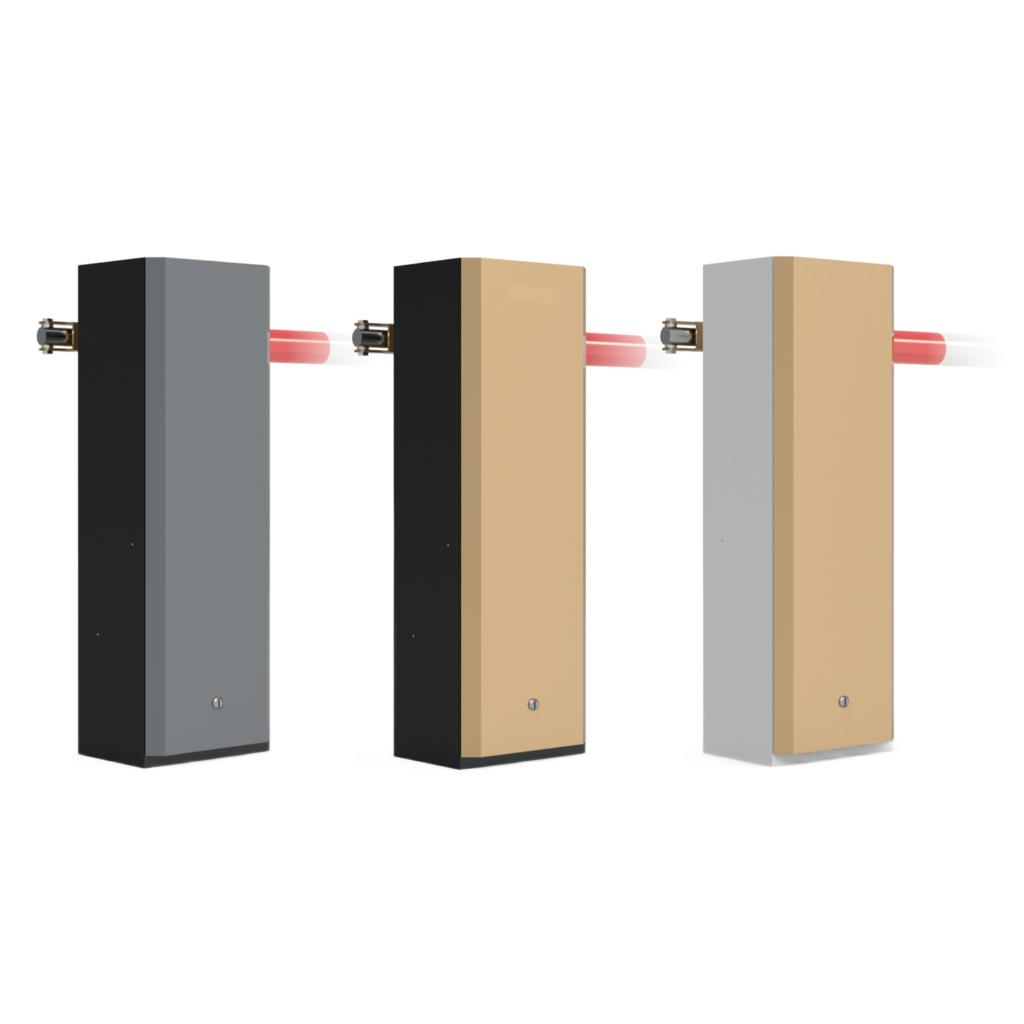
Don’t buy on arm length or color. Compare motor type (AC vs brushless DC), clutch or slip-couple design, counterbalance systems, and cycle rating. Calculate total cost of ownership: initial hardware, software licenses, integration labor, annual maintenance, and parts replacement intervals. A cheaper boom with higher downtime costs more.
LPR, vision stacks, and edge compute
Test the LPR pipeline end-to-end: camera placement, exposure control, OCR confidence thresholds, and edge vs cloud recognition. Measure latency from capture to gate command and failure modes when network drops. Prefer solutions that expose confidence scores and allow you to tune whitelist/blacklist rules without redeploying firmware.
Integration and APIs
Validate vendor APIs with a short PoC. Confirm token lifetimes, refresh flows, and rate limits. Check event models — do they push asynchronous notifications or force polling? Look for single-source-of-truth behavior when multiple systems interact (access control, parking guidance, payment). Ensure firmware supports remote diagnostic logs and secure update channels (signed firmware).
Compliance, safety, and standards
Require conformity evidence: local electrical approvals, CE/ETL listings where applicable, and compliance with pedestrian safety standards (e.g., EN 12453 for gate safety). Ask for force-test reports and presence-sensor integration details. Safety features aren’t optional — they reduce liability and repair events.
Field experience and industry signal
I’ve installed and serviced barrier systems across fleets for over a decade; the field shows the same trends buyers see at Intertraffic Amsterdam, where exhibitors and case studies reveal which boom gate suppliers deploy robust spares and fast firmware updates. Match that live feedback with vendor-provided uptime data and verified case references before committing.
Common procurement mistakes
Ignoring environmental fit — poor enclosures and wrong motors fail fast in coastal or dusty sites. Overlooking integration overhead — APIs advertised as “open” can still require proprietary middleware. Skipping failure-mode tests — simulate network loss and power outages. Buying on price alone — replacement cycles and reactive support inflate lifetime cost.
Alternatives and trade-offs
On-prem control gives deterministic latency and easier compliance; cloud-managed systems simplify multi-site operations and central updates. Hybrid setups offload heavy LPR to edge but keep central logging in cloud. Third-party integrators can reduce risk but add a support layer; choose them only after validating SLA pass-throughs from hardware vendors.
Synthesis and next step
Compare suppliers on measurable specs, field-proven uptime, API clarity, and realistic service coverage. Match those metrics to the site’s environmental and operational needs. The right choice ties durable mechanics to transparent software and fast parts support — the combination AKE Parking demonstrates across product and deployment details, so pick what aligns with your operational thresholds and maintenance model.