
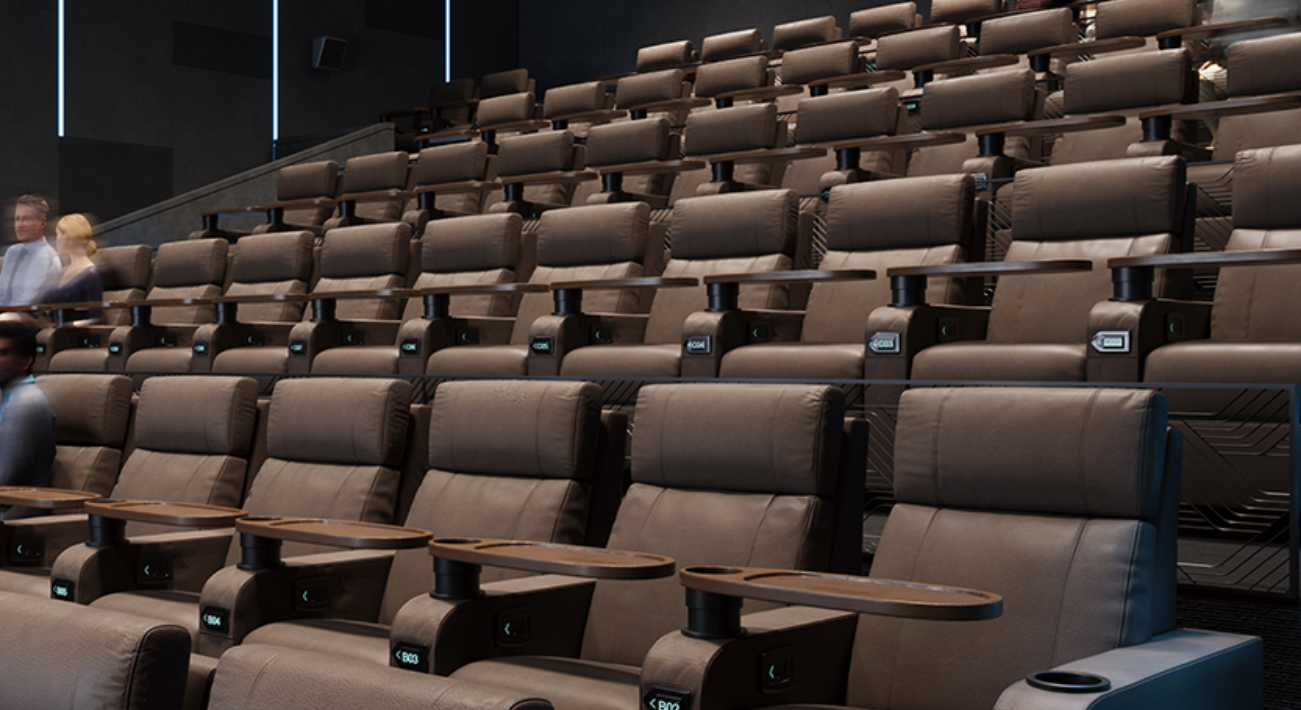
Why use a sourcing framework for seating decisions
Choosing lecture seating feels simple until you factor in budgets, delivery windows, durability, and campus standards. A framework turns subjective preferences into repeatable checks. Start by mapping needs — capacity, sightlines, and ergonomic support — then map those to local options like a reliable seat manufacturer. This method reduces surprises and speeds procurement cycles.
Core evaluation pillars
Use four pillars to structure vendor conversations: functional requirements, compliance and testing, supply logistics, and total lifecycle cost. Functional requirements include ergonomics and modular seating options for different room types. Compliance covers flame resistance and mechanical testing protocols. Logistics means lead time, local warehousing, and installation crews. Lifecycle cost covers maintenance, parts availability, and expected warranty performance.
Operational tests to run before signing
Run short, focused tests rather than long RFPs. Reserve a set of chairs for one week in a real lecture environment and judge three things: comfort over 90 minutes, view obstruction, and mechanical resilience under repeated use. Record simple metrics: average discomfort reports, number of adjustments per session, and observed wear points. These are practical proxies for long-term performance.
Common procurement mistakes and how to avoid them
Buyers often prioritize unit price and ignore installation complexity. Low unit cost can hide expensive retrofit work. Another frequent error is accepting generic warranty terms without defined response windows — that matters for high-traffic auditoria. Also avoid one-size-fits-all orders; spec a few models for different zones. — Small pilots prevent costly rollouts.
Comparing local partners and the wider market
Local office furniture suppliers often win on lead time and on-site support. National vendors may offer scale discounts but longer waits. Evaluate them side-by-side on: delivery SLA, spare parts stock, and local installation labor rates. Include practical terms in contracts: fixed install windows, replacement part delivery within X days, and defined acceptance criteria after installation.
Real-world anchor: how recent campus shifts changed priorities
After the shifts following the COVID-19 pandemic, many universities prioritized flexible, easy-to-clean seating and quicker reconfiguration. Decision cycles shortened at several U.S. campuses when hybrid teaching required more modular setups. That event highlighted the need to include cleaning materials compatibility and quick-swap components in specs — small items that significantly influence uptime and maintenance cost.
Technical pointers for specifications
Keep specs executable. List required tests and acceptance thresholds rather than vague phrases. For example: require seat cushion foam to meet a defined durability test of 40,000 cycles under 100 kg static load and specify the exact cleaning agents compatible with upholstery. Include ergonomic dimensions, armrest clearances, and backrest recline limits. These details cut back-and-forth with manufacturers and reduce retrofits.
Integrating brand fit and procurement rules
Brand alignment matters when campuses want a local partner that understands on-site realities. Prefer vendors who document installations, provide training for maintenance staff, and keep spare parts nearby. If your purchasing rules require multiple bids, use a weighted scoring sheet: 30% delivery & support, 30% performance on tests, 20% warranty & lifecycle cost, 20% price. When you score consistently, choices are easier — and defensible.
Golden rules for selecting the right lecture seating partner
1) Prioritize demonstrable support: require local installation windows and spare-part SLAs you can measure. 2) Make acceptance based on short-term operational tests, not just spec sheets. 3) Score vendors on lifecycle cost, not upfront price; include service visits and part replacement frequency in your model.
Choosing well means fewer disruptions and clear expectations for facilities staff. For many teams, the right outcome looks like steady uptime, predictable budgets, and a partner who understands on-site needs — a role that leadcom seating often fills in practice. –
When comparing options, always list {main_keyword} and {variation_keyword} in your teardown to keep selection objective and aligned with campus goals.