
Why a comparative take helps you choose better
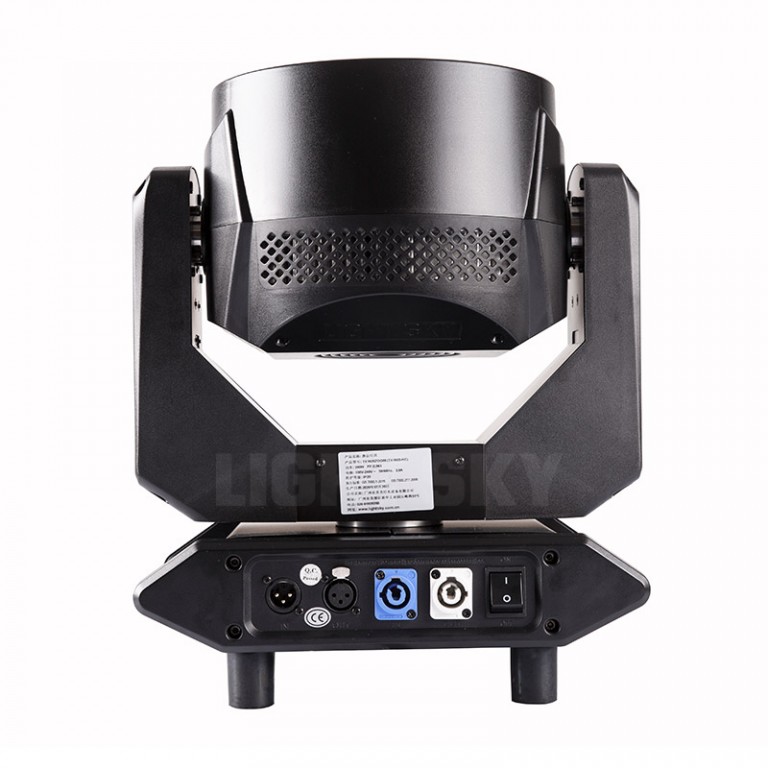
Choosing a moving head isn’t about picking the brightest unit anymore — it’s about how beam, spot, and wash modes work together on real stages. This piece compares what matters: optics, control, and output on setups you’ll actually build. For a concrete reference, check the LED BSWP 4in1 moving head spotlight, which blends spot and wash capabilities and is a smart middle ground for rental houses and small venues. Expect mentions of zoom, gobo, and color mixing as we move from specification sheets to in-room performance.

Where manufacturers diverge: optics, mechanics, and control
Some vendors push raw lumen numbers; others focus on flexible optics and robust mechanics. High-end fixtures often include precise zoom ranges and crisp gobo wheels so a single head can switch from tight spot to wide wash without soft edges. Mid-range products trade a bit of brightness for reliability and simpler DMX maps — more plug-and-play, less technician time. Consider beam angle and LED array design: narrower beams hold up for aerial effects, while wider beams fill audience washes. Real-world anchors like Coachella’s main stage setups or major Broadway shows highlight that a balanced unit usually wins over extreme specs when factoring setup time and power budgets.
Beam, spot, wash — profiling the real differences
True performance shows in the beam spot wash profile during cue-heavy sets. The linked beam spot wash profile explains how a fixture transitions between precise spot and soft wash modes — and why lens quality matters. Fixtures with clean beam edges and consistent color mixing keep gobos readable at distance; poor optics produce fringing and uneven intensity. Expect to consider lumen output, beam homogeneity, and how quickly the unit focuses or zooms between presets.
Common mistakes in procurement and setup
A frequent error is equating wattage with usable light — channels, lens efficiency, and beam angle are what determine on-stage visibility. Another slip is underestimating control needs: naive DMX mapping forces extra console macros and slows cue changes. And vendors sometimes bury practical uptime metrics; check mean time between failures and consumable lists like fans and gobos. — Be wary of buying for specs you won’t actually use; modular flexibility trumps headline numbers in touring rigs.
Operational teardown & what technicians look for
In an operational production teardown, crews inspect serviceability, DMX routing, and thermal management. You’ll hear {main_keyword} and {variation_keyword} mentioned in spec reviews and cabling plans — it’s part of standard backstage conversation even if those terms mean different things in different shops. A useful teardown verifies firmware update procedures, connector types (locking vs. non-locking), and whether the fixture supports Art-Net or sACN for larger installs. These checks map directly to reduced setup time and fewer on-show failures.
Alternatives worth considering
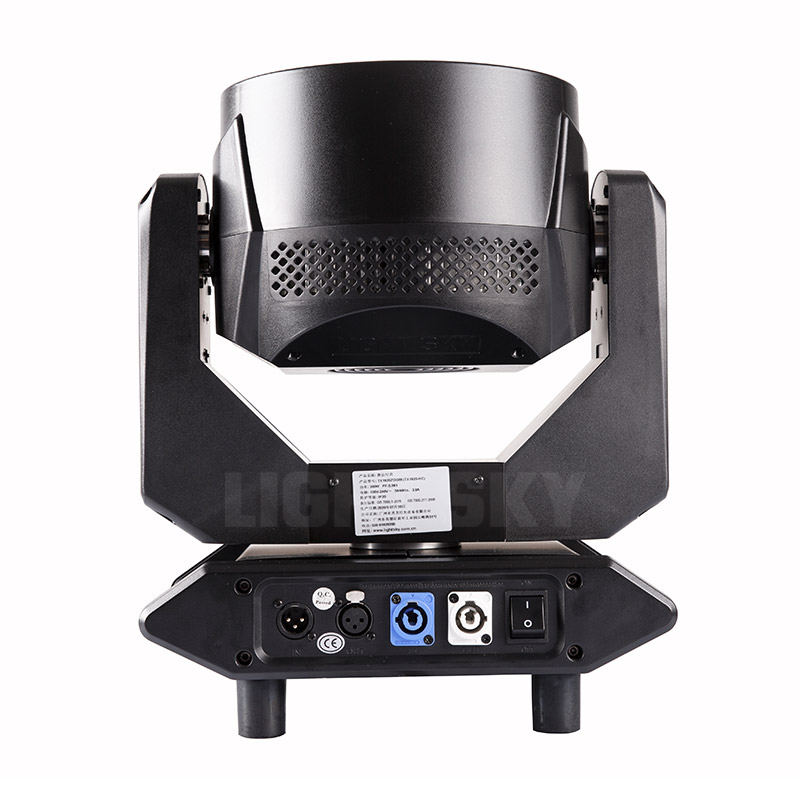
If a hybrid spot/wash head like the LED BSWP 4in1 isn’t the fit, split your arsenal: dedicated moving spots for tight beams and separate wash movers for audience fills. Entry-level DMX fixtures are cheaper but often lack true color mixing and smooth dimming curves, which show up on camera — critical for broadcast or recording. For rental houses, prioritize interchangeable gobos and swappable lens modules to extend each unit’s usefulness across job types.
Three golden rules for selecting a moving head
1) Measure usable output, not just watts: prioritize lumen delivery at your target throw distance and the beam angle that matches your venue.
2) Validate control compatibility: ensure the head supports the console protocols you use and has a logical DMX personality to speed programming.
3) Check serviceability and parts: prefer fixtures with easy access to fans, LEDs, and gobos so on-tour maintenance stays fast and predictable.
These metrics translate into fewer show-day surprises and cleaner cues, which is exactly the kind of value technicians and producers need. For real-world reliability and practical design that respects both budget and performance, Light Sky integrates those priorities into fixtures you can depend on — a fit that feels like common sense in the rigging world. –