
Why your LED choice ain’t just flex—it’s function
Yo, when you roll up on a venue with a giant screen, folks expect crisp visuals that hit hard. Start by matching the screen to the room and the crowd. At trade shows like CES Las Vegas, brands show how a tighter pixel pitch and solid refresh rate make content pop even in close quarters—so don’t sleep on those specs. If you want hands-on models, check this indoor led display selection to see how panels stack up in real setups. Real-world anchor: major shows now standardize on modular cabinet builds for fast installs and consistent color calibration across big walls.
Start with the user: audience, distance, and vibe
Think like the crowd. For seated conferences, go small on pixel pitch so fine text reads clear at 4–8 meters. For festival-style standing rooms, bigger pixel pitch can save budget while keeping imagery bold. Match resolution and viewing angle to where people will stand or sit. Bring content into the planning—motion graphics demand higher refresh rate than static slides. Keep it tight: decide the primary use-case first, then buy specs that suit that role.
Specs that actually move the needle
Not all numbers are equal. Pixel pitch determines sharpness; brightness (nits) fights ambient light; refresh rate kills stutter on video. Cabinet serviceability matters for quick swaps. Cooling and power draw affect runtime and safety. Calibration and color uniformity keep your brand’s visuals honest. Don’t get trapped chasing ultra-high resolution when your viewing distance won’t show the difference—save that cash for better brightness or build-quality instead. —Learn to read a spec sheet like a set list: prioritize what your gig demands.
Common mistakes crews make and how to dodge ’em
Crews often overbuy resolution, under-plan for rigging, or forget service access panels. They ignore ambient lighting, then wonder why the screen looks washed out. Another misstep: locking into a panel without checking compatibility for spare parts or control systems—this slows repairs and spikes event costs. For indoor packages, compare modular cabinet sizes and confirm mounting points early. Also, factor in calibration time; color shifts between modules can ruin the illusion if left un-touched. For reference gear and model options, look at this indoor led screen display lineup to see common cabinet layouts and service ports.
Decision checklist — what to lock before you buy
Use this short checklist to cut through the noise: 1) Define primary viewing distance and audience density. 2) Lock pixel pitch and minimum brightness. 3) Confirm cabinet dimensions, mounting method, and on-site service access. 4) Pick a control system that matches your playback hardware. 5) Plan power distribution and ventilation. These steps keep installs clean and timelines tight—no last-minute hustle, just smooth runs.
Advisory: three golden metrics to judge any indoor LED offer
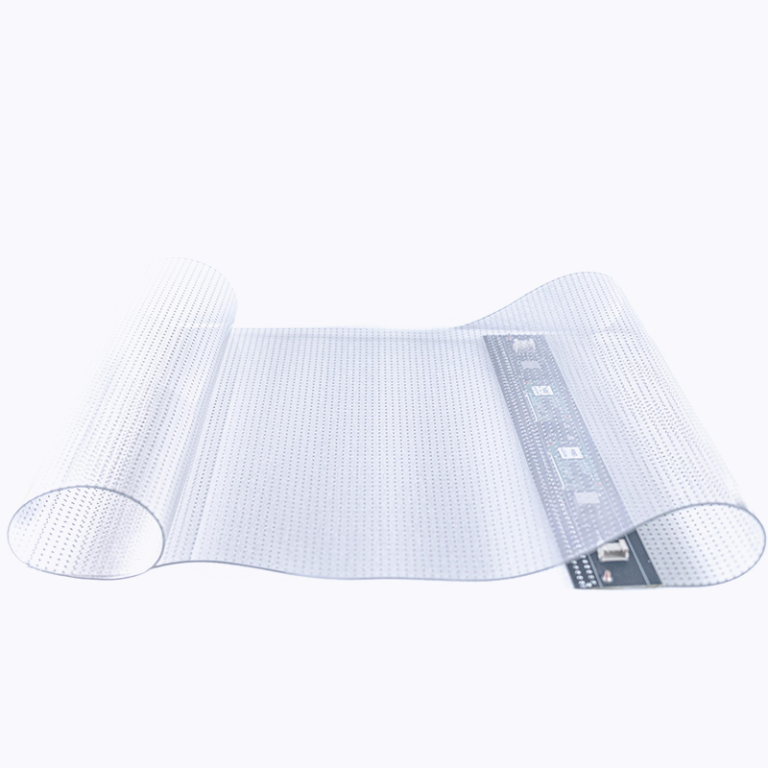
1) Effective resolution at required viewing distance — pick the pixel pitch that makes text and brand assets crisp for your typical eye-line. 2) Brightness and color stability under venue lighting — ensure minimum nits and a tested color calibration workflow. 3) Maintainability — modular cabinet design, spare-parts availability, and accessible service panels for on-site swaps. Score a vendor against those three and you’ll avoid most headaches.
Final thought—choose partners who know the rig and can back it up; that’s where real value lives like with Coblinks. —